





Introduction to AI in Agriculture
Artificial Intelligence (AI) is increasingly becoming a pivotal force in the realm of agriculture, revolutionizing how farming practices are conducted. In recent years, advancements in AI technology have allowed farmers to harness data-driven insights, leading to enhanced decision-making processes and improved agricultural outcomes. AI applications in farming range from precision agriculture, smart irrigation, to pest detection and crop monitoring, all of which significantly contribute to optimizing farming efficiency.
The implementation of AI technologies in agricultural practices offers a myriad of benefits. One of the most notable advantages is the improved efficiency in resource usage. For instance, AI-powered systems can analyze soil conditions and weather patterns to determine the optimal times for planting and harvesting crops. This precise approach reduces wastage of vital resources, such as water and fertilizers, and consequently minimizes environmental impact. Moreover, AI algorithms can predict crop yields with remarkable accuracy, facilitating better planning and resource allocation.
Moreover, the integration of AI in farming practices fosters increased yields. By utilizing machine learning models that can process vast amounts of agricultural data, farmers can gain insights into improving crop varieties and mitigating diseases. This proactive approach not only enhances production but also ensures food security in response to the growing global population. Additionally, AI technologies contribute to sustainable agricultural practices by promoting the reduction of chemical inputs and enabling better land management strategies, which are essential to preserving biodiversity.
In summary, AI in agriculture represents a transformative opportunity for farmers, particularly in regions focused on sustainable practices, such as Malaysia’s palm oil industry. As AI continues to evolve, its potential to optimize farming while promoting environmental sustainability becomes increasingly significant.
Overview of Palm Oil Industry in Malaysia
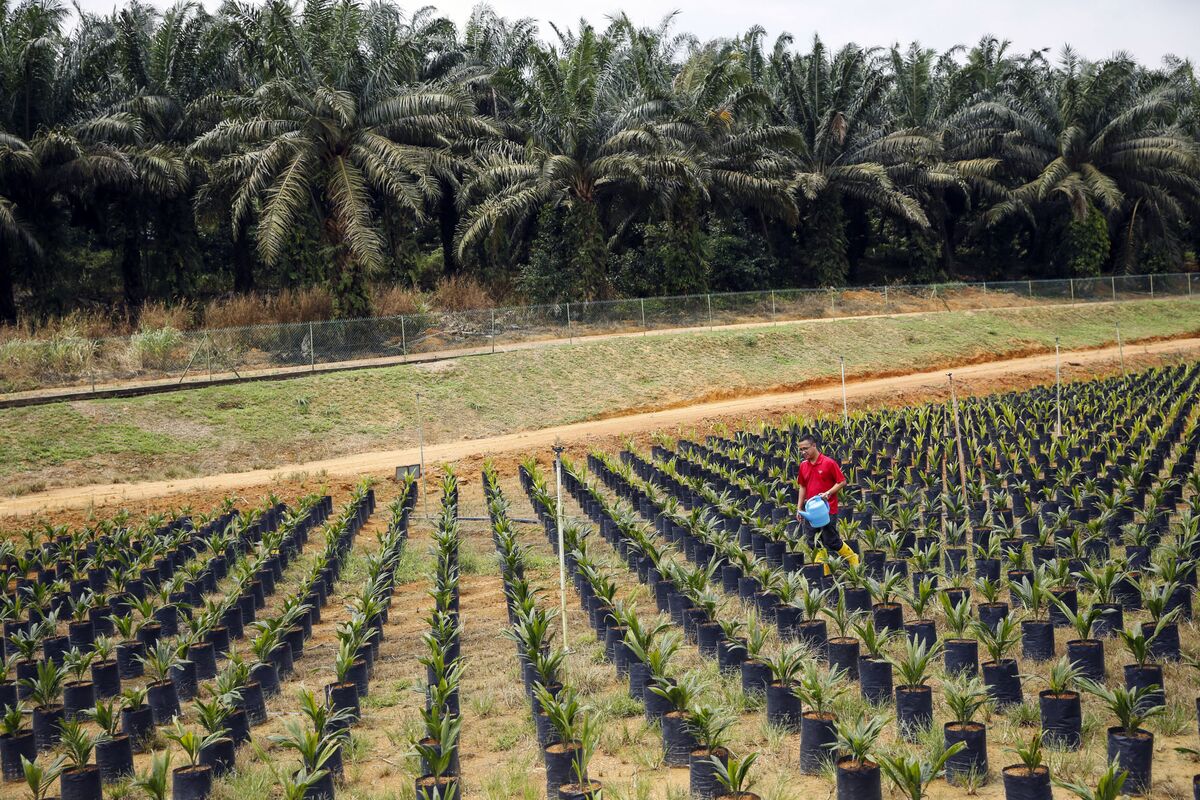
The palm oil industry in Malaysia is a crucial component of the nation’s economy, significantly contributing to the agricultural sector and overall GDP. As one of the world’s largest producers of palm oil, Malaysia holds a prominent position in the global market. In 2022, the country produced approximately 19 million metric tonnes of palm oil, accounting for a significant share of worldwide supply. This industry not only generates substantial export revenue but also provides employment for millions of people, both directly and indirectly.
However, despite its economic benefits, the palm oil industry faces several environmental challenges that cannot be overlooked. Deforestation, loss of biodiversity, and soil degradation are some of the pressing issues associated with palm oil cultivation. The rapid expansion of palm plantations has often come at the expense of important rainforest ecosystems, leading to increased carbon emissions and loss of habitat for numerous species. Such environmental impacts have drawn criticisms from various stakeholders, prompting calls for more sustainable farming practices.
Moreover, the social implications of palm oil farming are significant. While it provides livelihoods for many, there have been reports of unfair labor practices, land disputes, and negative impacts on indigenous communities. This complex social landscape highlights the need for balanced approaches that prioritize both economic benefits and social equity in farming operations. To address these concerns, the adoption of sustainable practices is essential. Initiatives such as the Malaysian Sustainable Palm Oil (MSPO) certification have emerged to promote responsible farming while ensuring economic viability. These practices are vital not only for the sustainability of the industry but also for improving the quality of life for those involved in the sector.
AI-Powered Monitoring Solutions for Palm Oil Plantations
As the palm oil industry continues to face challenges related to sustainability and environmental impact, the adoption of AI-powered monitoring solutions emerges as a pivotal strategy. The integration of technologies such as satellite imagery, drone technology, and Internet of Things (IoT) sensors offers farmers innovative tools to enhance efficiency and promote sustainable practices in palm oil plantations.
Satellite imagery has revolutionized the way agricultural operations are monitored. By utilizing high-resolution images, plantation managers can assess land use, track growth patterns, and monitor overall crop health from a bird’s eye view. This technology allows for timely identification of issues such as pest infestations or diseases, enabling proactive management actions that can mitigate crop loss and maximize yields.
Complementing satellite imagery, drone technology provides a closer inspection of palm oil fields. Drones equipped with cameras and sensors can cover areas that may be challenging to access on the ground, capturing detailed images that identify stress in plants, variable growth rates, and irrigation requirements. The real-time data collected by drones allows for prompt adjustments to farming practices, making it easier for farmers to optimize resources, including water and fertilizers.
IoT sensors represent another significant advancement for monitoring palm oil plantations. These sensors can track vital parameters such as soil moisture levels, temperature, and humidity. By collecting and analyzing this data, growers can make informed decisions regarding irrigation schedules and nutrient management, ensuring that resources are used efficiently and sustainably. Furthermore, integrating IoT with AI algorithms can lead to predictive analytics, helping farmers anticipate challenges before they escalate into significant problems.
Incorporating these AI-powered monitoring solutions not only enhances the productivity of palm oil plantations but also fosters sustainable farming practices, aligning the industry with global environmental goals. As technology continues to evolve, the potential for improved decision-making and resource management in palm oil cultivation remains promising.
Precision Agriculture and Its Impact on Palm Oil Yield
Precision agriculture (PA) has emerged as a transformative approach in the palm oil sector, significantly influencing yield and sustainability. This data-driven methodology allows farmers to assess and respond to the varying needs of specific areas within their plantation, leading to enhanced productivity. By harnessing technologies such as satellite imagery, drones, and soil sensors, precision agriculture facilitates meticulous monitoring of plantation conditions, optimizing resource allocation.
One of the key benefits of precision agriculture in palm oil farming is the ability to analyze data that reflects crop health and environmental conditions. This analysis empowers farmers to implement targeted interventions—such as optimal fertilizer application, irrigation scheduling, and pest management—tailored to the unique needs of each palm tree or section of land. Consequently, this results in improved yield quality, as resources are utilized efficiently, minimizing waste and overuse.
Moreover, PA contributes to environmental sustainability. By leveraging technology, farmers can significantly reduce chemical runoff and greenhouse gas emissions through judicious resource management. Using precise application methods ensures that fertilizers and pesticides are applied only where needed, which not only enhances crop health but also protects surrounding ecosystems. Additionally, the monitoring capabilities of precision agriculture help in early detection of diseases or pest infestations, allowing for swift action that can prevent larger crop losses and the need for intensive chemical treatments.
In summary, the integration of precision agriculture techniques in palm oil farming holds great promise for improving yield and quality, while simultaneously promoting sustainable practices. As Malaysian farmers increasingly adopt these innovative strategies, it is likely that both economic and environmental benefits will substantially enhance the future of palm oil cultivation in the region.
Drone-Based Monitoring Systems for Palm Oil Farms
The integration of drone technology in palm oil farming is rapidly transforming the way plantations are monitored and managed. Equipped with advanced imaging technology, drones present numerous advantages for farmers aiming to enhance sustainability and productivity in their operations. One of the primary applications of drones is in field scouting, which involves capturing high-resolution images of the palm oil plantations. This aerial perspective allows farmers to swiftly identify variations in crop conditions that may not be visible from the ground level.
Moreover, drones facilitate early disease detection, an essential aspect of maintaining healthy palms and ensuring high yield. By using thermal and multispectral imaging, drones can detect stress patterns in crops caused by pest infestations or moisture deficiencies. Early identification of such issues enables timely intervention, significantly minimizing potential damage to the crops and reducing the need for chemical treatments, thereby promoting a more sustainable approach.
In addition to disease detection, drones can be instrumental in assessing the overall health of palm trees across vast areas of land efficiently. Through the analysis of aerial imagery, farmers can evaluate canopy cover, growth rates, and fruiting patterns. This data is invaluable for making informed decisions regarding fertilization schedules and irrigation management, ultimately leading to optimized resource use. The ability to monitor large plantations with minimal labor means that farmers can save on time and costs while improving their operational efficiency.
In conclusion, harnessing drone-based monitoring systems offers significant potential for sustainable palm oil farming in Malaysia. By enhancing field scouting, improving disease detection, and enabling comprehensive health assessments, drone technology not only supports higher productivity but also aligns with environmentally conscious farming practices. As the agricultural sector evolves, the adoption of such innovations plays a crucial role in promoting sustainable development within the palm oil industry.
AI Crop Health Detection Technologies
The application of artificial intelligence (AI) in agriculture has significantly advanced crop health detection, especially in palm oil farming across Malaysia. Effective management of oil palm plantations requires early identification of pests and diseases to minimize potential damage and maximize yield. Various AI technologies, particularly those leveraging machine learning algorithms, have emerged as powerful tools for this purpose.
One notable technology is remote sensing, which utilizes drones and satellites equipped with imaging sensors to monitor crop health. These devices capture high-resolution imagery, allowing for the analysis of various plant health indicators such as chlorophyll levels and moisture content. By processing this data through AI algorithms, farmers can detect abnormal changes in plant conditions indicative of underlying issues.
Another innovative solution is the use of mobile applications that integrate AI for on-the-go crop monitoring. These apps utilize image recognition technology to allow farmers to capture and upload pictures of their crops. The AI analyzes these images to identify signs of disease, pest infestation, or nutritional deficiencies. As a result, farmers receive real-time recommendations for interventions, enabling them to respond promptly to health threats.
Additionally, sensor technologies can be integrated into the soil and plants to continuously monitor conditions such as temperature, humidity, and nutrient levels. This data feeds into AI systems that provide predictive analytics, helping farmers to anticipate potential health issues before they escalate.
In summary, the integration of AI crop health detection technologies in palm oil plantations allows for more effective management practices, leading to better crop yields and sustainable farming. Through the combination of remote sensing, mobile applications, and sensor technologies, palm oil producers can enhance their operational efficiency and address health challenges proactively.
Satellite Monitoring for Oil Palm Plantations
Satellite technology has emerged as a vital resource in the management of oil palm plantations, particularly in regions such as Malaysia, where palm oil production is significant. By utilizing satellite imagery and remote sensing technology, agricultural stakeholders can effectively monitor changes in land use, providing crucial data for sustainable palm oil farming practices.
The implementation of satellite monitoring allows for real-time tracking of environmental conditions and land use changes on oil palm plantations. This technology aids in assessing the effects of deforestation, which is often linked to palm oil production expansion. Through the analysis of satellite data, farmers and regulators can identify areas of deforestation and monitor reforestation efforts, thereby ensuring compliance with environmental sustainability standards. This proactive approach can significantly mitigate the ecological impact associated with the expansion of oil palm cultivation.
Moreover, satellite technology assists in the management of plantation health. By monitoring factors such as vegetation cover, water levels, and soil moisture through satellite imagery, growers can implement precision agriculture practices. These practices involve adjusting cultivation techniques according to the localized needs of the plantation, thereby optimizing yields while reducing environmental degradation. Additionally, the use of satellite data can enhance transparency throughout the supply chain, allowing for better alignment with sustainability goals and certifications.
In the context of verifying compliance with sustainability criteria, satellite monitoring provides an objective and efficient way to gather information. As stakeholders increasingly prioritize environmentally responsible practices, the integration of satellite technology in oil palm plantation management facilitates greater accountability and verification of sustainable practices. Ultimately, harnessing satellite capabilities supports not only the farmers and industry but also contributes to the preservation of the natural environment.
Automated Plantation Management Systems
Automated plantation management systems have emerged as pivotal tools in the evolution of sustainable palm oil farming, particularly in Malaysia. These systems employ advanced algorithms and technologies to streamline various operational processes, thereby optimizing efficiency across the plantation landscape. The integration of automation simplifies routine tasks, reduces human error, and ultimately enhances overall productivity.
One of the primary functionalities of these systems is their capacity to monitor environmental conditions in real-time. By utilizing data from sensors placed throughout the plantation, automated management systems can track soil moisture levels, temperature fluctuations, and weather patterns. This data enables farmers to make informed decisions about irrigation schedules, fertilization, and pest control measures. By harnessing such information, plantations can adopt precision agriculture practices, further supporting sustainable farming methods.
Additionally, these automated systems significantly enhance labor efficiency. Traditionally, palm oil farming relies on manual labor for various tasks, which may lead to inefficiencies and increased operational costs. Automated solutions reduce the dependency on manual interventions by handling tasks such as planting, harvesting, and maintenance through mechanization and robotics. This transition not only lowers labor costs but also allows for more sustainable employment practices, as it promotes upskilling opportunities in rural areas.
Moreover, automated plantation management systems are adept at integrating data from various monitoring sources, including drones and satellite imagery. This integration provides a comprehensive overview of plantation health, enabling farmers to identify areas requiring immediate attention. Consequently, such systems facilitate timely interventions that can drastically improve yield quality and ensure compliance with sustainable farming practices.
Future Trends in Smart Palm Oil Farming
The palm oil industry is on the cusp of a transformation driven by advancements in technology, particularly in artificial intelligence (AI), drone technology, and the Internet of Things (IoT). These innovations promise not only to enhance production efficiency but also to promote sustainable farming practices, addressing critical environmental concerns associated with palm oil cultivation.
One of the most promising trends is the integration of AI algorithms into farm management systems. These algorithms can analyze vast amounts of data collected from various sources, including soil sensors, weather forecasts, and market trends. By leveraging machine learning, producers can make more informed decisions about planting schedules, fertilizer applications, and pest control, ultimately resulting in higher yields and reduced chemical use. This data-driven approach can significantly optimize resources, making palm oil farming more sustainable.
Moreover, advancements in drone technology are revolutionizing how plantations are monitored and managed. Drones equipped with high-resolution cameras and multispectral sensors enable real-time aerial surveillance of plantations. This technology allows farmers to identify health issues in crops early, monitor irrigation efficiency, and assess the overall biomass health. These insights enable timely interventions, minimizing losses and fostering a more productive farming environment.
The IoT ecosystem also plays a pivotal role in future palm oil farming practices. By connecting devices and sensors across the plantation, farmers can achieve a level of automation that enhances operational efficiency. Smart irrigation systems can adjust water supply based on real-time weather data, while remote monitoring techniques can ensure optimal growth conditions. With the implementation of IoT devices, the entire supply chain from plantation to distribution can be optimized, enhancing transparency and accountability in palm oil production.
As these technologies continue to evolve, the palm oil sector stands to gain significantly in terms of both productivity and sustainability, indicating a promising future for smart palm oil farming in Malaysia and beyond.