




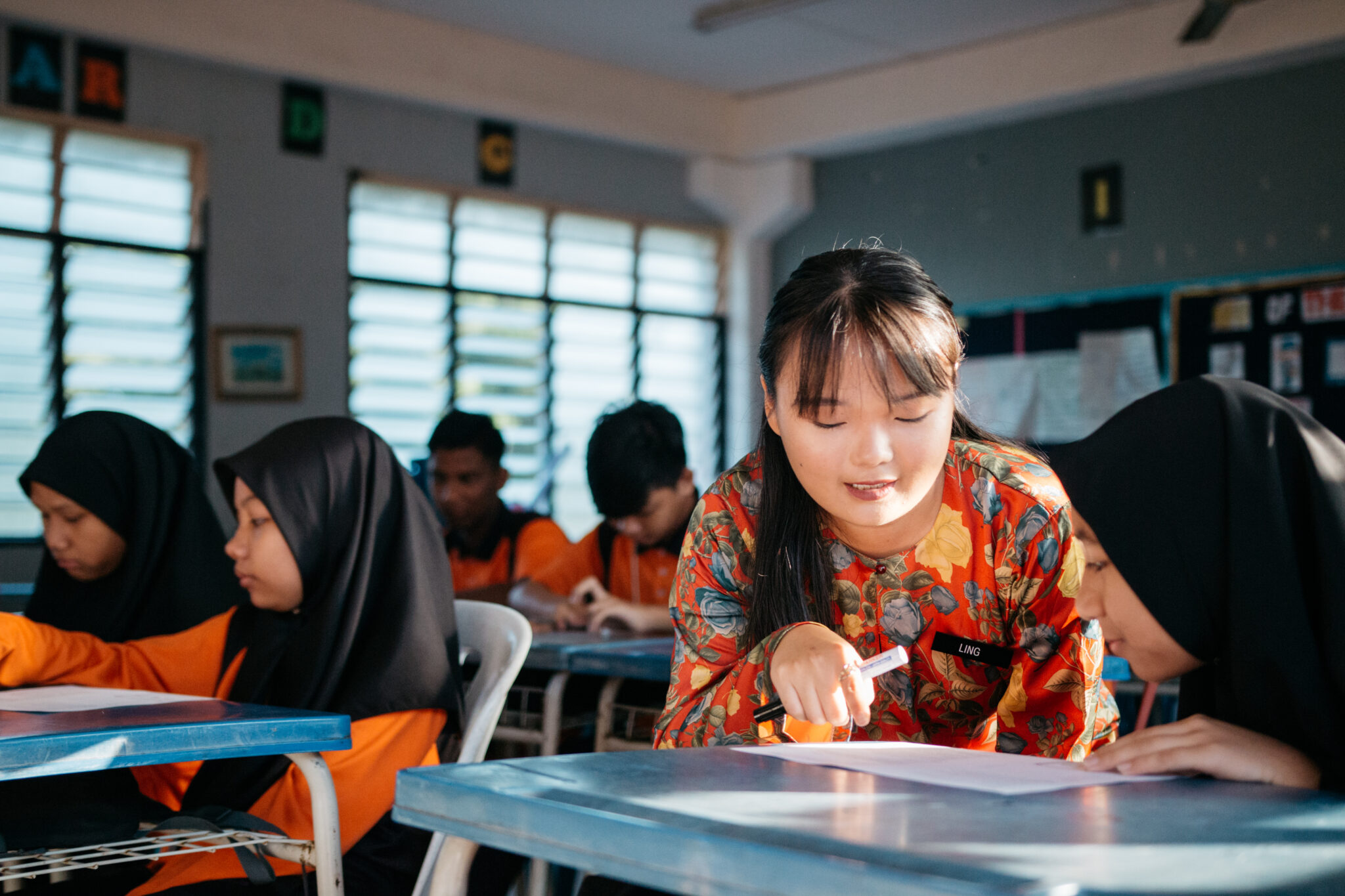

Introduction to Learning Styles
Learning styles refer to the preferred methods through which individuals absorb, process, and retain information. Understanding these styles is crucial in the context of education, as they significantly impact students’ learning experiences and outcomes. While there are varying theories of learning styles, three primary categories typically emerge: visual, auditory, and kinesthetic.
Visual learners thrive when information is presented through images, diagrams, and spatial arrangements. They best comprehend material when it is visually organized and often find that color-coding notes and using charts aids in memory retention. On the other hand, auditory learners prefer listening to information; they grasp concepts through discussions, lectures, and audio materials. For these students, verbal instructions and dialogue enhance understanding significantly.
Kinesthetic learners engage with information through physical activities. They tend to be hands-on, preferring to manipulate objects, participate in role-play, or conduct experiments to grasp concepts effectively. Each learning style brings its own strengths and challenges, highlighting the necessity for a differentiated approach in educational settings.
For educators and students alike, recognizing these diverse learning styles is vital. By tailoring teaching methods to accommodate various styles, educators can enhance engagement and comprehension, making learning more effective and enjoyable. Furthermore, students who understand their own learning preferences can adopt strategies that align with their natural inclinations, leading to improved academic performance and greater confidence in their abilities. Fostering an awareness of learning styles creates a more inclusive educational environment, paving the way for successful learning experiences among Malaysian students.
Visual Learning Preferences
Among the various learning styles identified in educational research, visual learning stands out as a prominent preference among Malaysian students. Visual learners tend to process information more effectively when it is presented in graphical formats such as diagrams, charts, videos, and illustrations. This learning style emphasizes the importance of visual aids in enhancing comprehension and retention of information, particularly in subjects that involve complex concepts.
In Malaysian classrooms, incorporating visual elements can significantly bolster the learning experience for students who prefer this style. For instance, the integration of infographics and mind maps helps students to better organize their thoughts and ideas, thereby facilitating a deeper understanding of the material. Furthermore, the use of videos can make learning more engaging and relatable, as they often provide real-life contexts to theoretical knowledge.
Research indicates that visual learners benefit from colors and imagery, which can stimulate their cognitive processes. By using vibrant visuals and poignant imagery, educators can capture the attention of these learners, making lessons more memorable. Moreover, the incorporation of technology in the classroom, such as presentation software or educational videos, aligns well with the visual learning style, making it easier for students to follow along and grasp intricate details.
In the context of Malaysian education, it is crucial for teachers to acknowledge the prevalence of visual learning preferences and adapt their teaching strategies accordingly. By recognizing the diverse needs of their students, educators can create a more inclusive learning environment that accommodates various learning styles. This not only enhances student engagement but also fosters a supportive atmosphere where all learners have the opportunity to thrive.
Kinesthetic Learning Preferences
In examining learning styles among Malaysian students, it is essential to highlight the kinesthetic learning preference that has been prominently observed. Kinesthetic learners thrive in environments that incorporate hands-on activities, physical movement, and real-life applications. This learning style emphasizes experiential learning, where students engage with materials and concepts through active participation. For Malaysian students, incorporating physical activities into the learning process not only enhances engagement but also significantly improves knowledge retention.
One of the core aspects of kinesthetic learning is the importance of movement in the educational experience. Malaysian students often benefit from incorporating elements of play, manipulation of objects, and physical demonstrations into their classroom activities. This hands-on approach allows them to physically enact lessons, thus cementing their understanding of abstract concepts. Educators can foster this style by integrating activity-based tasks or interactive experiments within the curriculum, encouraging students to learn through doing.
Furthermore, real-life applications play a pivotal role in reinforcing what kinesthetic learners absorb. When learners can connect theoretical knowledge to practical situations, motivation skyrockets. For instance, conducting science experiments, engaging in role-playing scenarios, or participating in field trips can create meaningful learning experiences. Such strategies foster retention and deeper understanding long after the lesson is concluded.
From the perspective of Malaysian educational systems, recognizing kinesthetic learning preferences is crucial. By embracing and accommodating different learning styles, educators can better facilitate a comprehensive learning environment. Schools and institutions that adapt their teaching methodologies to incorporate kinesthetic elements will likely see enhanced outcomes in both student engagement and academic performance. Addressing the diverse learning needs of Malaysian students ultimately contributes to a more holistic educational approach.
The Role of Structured Materials
Structured learning materials serve as a vital resource in the education process, particularly for Malaysian students. The organization of content within these materials has a significant impact on students’ ability to comprehend complex information, thereby enhancing their learning outcomes. In the Malaysian educational context, where diversity in learning preferences exists, the utilization of structured materials ensures that the curriculum presents information in a logical and coherent manner.
When learning materials are systematically arranged, students can more easily identify key concepts, principles, and relationships between various pieces of information. This clarity not only facilitates understanding but also aids in the retention of material over time. For instance, using headings, bullet points, and numbered lists helps break down large volumes of information into manageable parts, allowing students to focus on one segment at a time without feeling overwhelmed.
Moreover, structured materials can accommodate different learning styles prevalent among Malaysian students. Visual learners, for example, may benefit from diagrams and flowcharts that graphically represent data. On the other hand, auditory learners might find that well-organized lecture notes support their learning during presentations. By catering to these diverse needs, structured materials promote inclusive education, allowing all students to relate their unique learning styles to the content being taught.
In summary, the provision of clearly organized and structured learning materials is fundamental in fostering effective learning experiences among Malaysian students. These materials not only enhance comprehension but also play a crucial role in helping students retain information, thereby supporting their academic success and lifelong learning.
Interactive Digital Media
The integration of interactive digital media within the educational terrain of Malaysia has become increasingly pivotal in engaging students and enhancing their learning experiences. In an era characterized by rapid technological advancement, Malaysian educators are increasingly leveraging digital tools to cater to diverse learning preferences, particularly visual and kinesthetic learners. The utilization of educational apps, online simulations, and interactive platforms can significantly bolster the engagement levels of students.
Educational apps create immersive environments where students can explore concepts at their own pace. These applications are designed to be interactive, often incorporating multimedia elements such as animations, graphics, and videos that cater to visual learners. Simultaneously, they provide essential hands-on experiences that benefit kinesthetic learners, promoting active participation through touch-screen functionalities and interactive problem-solving tasks. As a result, these tools help students grasp complex ideas and foster critical thinking skills.
Moreover, online simulations provide a unique, virtual reality experience where students can apply theoretical knowledge to practical scenarios. These simulations replicate real-world situations, allowing students to experiment and witness the consequences of their decisions in a safe, controlled environment. Such experiences not only cater to the learning styles of a diverse student population but also encourage collaboration, especially in group settings where interaction with peers is encouraged.
In essence, the shift toward interactive digital media within Malaysian education signifies a broader understanding of the varied learning preferences among students. By adopting these innovative educational tools, educators can ensure that the teaching methods remain relevant and effective, ultimately promoting deeper levels of comprehension and retention while making learning more engaging and enjoyable for Malaysian students.
Cultural Influences on Learning
The diverse cultural landscape of Malaysia significantly shapes the learning styles of its students. Malaysia is home to various ethnic groups including Malays, Chinese, and Indians, each carrying distinct cultural values and educational practices. This cultural variety influences how students perceive knowledge, interact with peers, and engage in learning activities. In Malaysian classrooms, collaborative learning is often favored, as many students are accustomed to learning in groups, reflecting the communal values inherent in their cultures. Such collaborative practices are essential as they promote social harmony and shared understanding among students from different backgrounds.
Moreover, the pragmatic approach to education in Malaysia aligns closely with the cultural emphasis on practical application and skills development. Malaysian students are generally encouraged to connect theoretical knowledge with real-world scenarios, which enhances their learning experiences. This fashion of learning not only helps in grasping academic concepts but also prepares students for future employment, aligning with societal expectations of contributing to the workforce.
Furthermore, educational practices within Malaysia often include elements of storytelling and oral traditions, prevalent across different cultures. This narrative technique engages students and fosters retention by linking new information to cultural narratives familiar to them. As a result, these stories not only serve as a medium for learning but also reinforce students’ identities and sense of belonging.
The combination of collaborative learning, practical application, and cultural narratives highlights the importance of considering cultural factors when analyzing the learning styles of Malaysian students. Understanding these influences can lead to more effective teaching strategies that respect cultural nuances while promoting a more inclusive educational environment.
Collaborative Learning Environments
In recent years, educational institutions in Malaysia have increasingly recognized the significance of collaborative learning environments in enhancing students’ academic experiences. Collaborative learning involves students working together in small groups to solve problems, share knowledge, and support each other’s learning, which fosters a sense of community among learners. This approach not only encourages engagement but also significantly enhances understanding and problem-solving skills, essential competencies in today’s educational landscape.
One notable advantage of collaborative learning is its ability to promote diverse perspectives. In a multicultural society like Malaysia, students come from various backgrounds, providing a rich tapestry of ideas and viewpoints. This diversity encourages critical thinking and helps students develop the ability to view problems from multiple angles, leading to more innovative solutions. Engaging in group discussions allows students to articulate their thoughts and learn from their peers, further solidifying their comprehension of subject matter.
Moreover, collaborative learning environments instill essential interpersonal skills, such as communication and teamwork. In Malaysian classrooms, where students often work in groups for assignments and projects, the need for effective collaboration is paramount. Through these interactions, students learn to listen actively, negotiate, and constructively critique ideas. These skills not only contribute to academic success but are also highly valued in the workplace.
Lastly, when students participate in collaborative learning, they are often more motivated and accountable for their learning. The supportive nature of group settings provides encouragement and can alleviate the pressure of individual performance. As students work together towards common goals, they develop a sense of responsibility not only for their progress but also for that of their peers, fostering a productive learning environment.
Goal-Oriented Problem Solving
In the context of Malaysian education, goal-oriented problem solving plays a pivotal role in enhancing student engagement and success. The educational landscape in Malaysia has widely recognized the need for students to adopt an objectives-driven approach towards their learning experiences. Setting clear and achievable goals not only motivates students but also provides a structured framework for their academic pursuits. This approach encourages learners to actively participate in their education, fostering a sense of ownership over their learning process.
When students understand the objectives they are striving for, they are more likely to engage deeply with the material presented to them. This engagement is not merely about completing assignments or passing exams, but rather about developing critical thinking and analytical skills essential for dissecting complex problems. By focusing on specific goals, students learn to navigate challenges systematically, apply diverse problem-solving strategies, and ultimately cultivate a growth mindset essential for lifelong learning.
The effectiveness of goal-oriented problem solving can be attributed to its ability to instill a purpose in academic activities. For instance, when Malaysian students are tasked with projects that require them to set personal milestones, they tend to exhibit enhanced motivation. This proactive involvement aids in honing essential skills such as collaboration, communication, and adaptability, which are vital not just within the educational context but also in their future careers.
Moreover, teachers can facilitate this goal-oriented approach by guiding students in the goal-setting process. Educators can encourage students to outline specific, measurable, attainable, relevant, and time-bound (SMART) goals, providing a clear roadmap for their educational journey. Such an environment nurtures resilience and fosters a proactive stance toward challenges.
Conclusion and Recommendations
Understanding the diverse learning styles of Malaysian students is crucial in fostering an effective educational environment. As discussed, students in Malaysia exhibit a variety of learning preferences, including visual, auditory, and kinesthetic styles. Recognizing these differences allows educators to tailor their teaching methods, thus enhancing student engagement and comprehension.
Based on the analysis of the key points throughout this blog post, several recommendations can be made. First, educators should employ a mixed-method approach to cater to the varied learning styles present within their classrooms. This may involve integrating visual aids, such as infographics and videos, alongside auditory resources like lectures and discussions. Additionally, incorporating hands-on activities can address the needs of kinesthetic learners who benefit from physical engagement.
Furthermore, it is recommended that schools implement professional development programs that equip teachers with the skills to identify and support different learning styles. By offering training sessions focusing on differentiated instruction techniques, educators can become more adept at recognizing and responding to the specific needs of their students.
Another vital approach is fostering a collaborative environment where students can share their learning preferences. Encouraging students to communicate their preferred methods of learning can empower them and enhance their educational experience. Collaborative projects, peer tutoring, and group discussions can also alleviate the pressure on teachers to address every learning style alone.
Ultimately, by prioritizing the adaptation of teaching methodologies to accommodate the distinct learning styles of Malaysian students, educational institutions can promote a more inclusive learning atmosphere that supports academic success for all individuals.