




Introduction to Cyberjaya’s Smart Traffic Management System
The Cyberjaya Smart Traffic Management System stands as a significant innovative solution aimed at improving urban mobility in one of Malaysia’s foremost smart cities. This system integrates advanced technologies and data analytics, designed to optimize the flow of traffic and reduce congestion across the region. As urbanization accelerates globally, effective traffic management becomes paramount in ensuring sustainable growth and enhanced quality of life within metropolitan areas.
Central to this initiative is the incorporation of real-time analytics, internet-of-things (IoT) devices, and artificial intelligence (AI). These technologies allow the system to monitor traffic conditions continuously, adaptively managing signals and guiding vehicular movement based on current demand. By employing a network of sensors and cameras, the Cyberjaya smart traffic management system provides timely data to traffic control centers, facilitating fast responses to incidents that may disrupt regular traffic patterns.
The importance of efficient traffic management systems cannot be overstated, particularly in the context of smart cities. Not only do they help mitigate traffic jams and enhance accessibility, but they also contribute to lower emissions and improved air quality. By reducing travel times, the Cyberjaya initiative supports the economic agenda of Malaysia while promoting a greener, more sustainable urban environment.
As a pioneer in the smart city movement, Cyberjaya demonstrates a commitment to embracing technological transformation. The city leverages its position to showcase innovative infrastructure and services that can serve as a model for other urban centers. By implementing the smart traffic management system, Cyberjaya aims to set a benchmark within the region, driving similar initiatives across Malaysia and potentially influencing traffic management methodologies on a broader scale.
The Need for Intelligent Traffic Solutions in Urban Environments
The rapid urbanization witnessed in recent decades has led to a significant increase in population density in urban areas. This growth creates a complex traffic landscape that traditional traffic management systems are often ill-equipped to handle. As cities expand, the number of vehicles on the road dramatically increases, resulting in congestion, pollution, and a rise in traffic accidents. The challenges posed by sheer volume and the diverse nature of urban traffic require innovative solutions that go beyond outdated management practices.
Traditional traffic systems often rely on fixed-time traffic signals and manual monitoring, which can lead to inefficiencies and delays. These systems are typically reactive rather than proactive, responding to traffic flow patterns but failing to anticipate problems before they occur. This limitation exacerbates congestion and increases travel times, negatively impacting the overall commuting experience. Consequently, there is an urgent need for intelligent traffic solutions that can adapt to the ever-changing dynamics of urban traffic.
Intelligent traffic management solutions leverage advanced technologies, such as artificial intelligence and real-time data analytics, to optimize traffic flow and enhance safety. These systems utilize data from various sources, including cameras, sensors, and GPS, to provide valuable insights into traffic patterns and behaviors. By analyzing this data, intelligent solutions can adjust traffic signals dynamically, prioritize public transportation, and even route vehicles away from congested areas. This not only improves traffic efficiency but also contributes to lower emissions and less energy consumption.
Adopting intelligent traffic solutions in urban environments is no longer a luxury but a necessity. As cities continue to grow, integrating advanced technologies into traffic management will be crucial in creating sustainable urban mobility. Efficient traffic management contributes to a better quality of life for residents while enhancing the overall functionality of urban infrastructure.
AI-Based Traffic Management Systems: An Overview
AI-based traffic management systems have emerged as a pivotal solution for addressing urban congestion challenges. Utilizing advanced algorithms and machine learning techniques, these systems are designed to analyze traffic patterns, optimize flow, and enhance overall transportation efficiency. Central to their functionality is the ability to process vast amounts of real-time data collected from various sources, including cameras, sensors, and GPS devices.
One of the primary advantages of AI traffic management systems is their capacity to predict congestion. By studying historical data and real-time traffic conditions, these algorithms can identify potential bottlenecks before they develop, enabling traffic planners to implement timely interventions. For instance, adjusting traffic signal timings dynamically in response to fluctuating traffic volumes can significantly alleviate congestion during peak hours.
Furthermore, these systems facilitate better decision-making for urban planners. With accurate predictions, planners can develop more effective road infrastructure and public transport strategies, leading to increased efficiency in transportation networks. In addition to congestion prediction, AI systems can recommend alternative travel routes to minimize delays for commuters.
Moreover, AI-based systems enhance safety by monitoring traffic conditions and detecting anomalies, such as accidents or hazardous situations. When such events are recognized, the system can alert relevant authorities, allowing for faster response times and potentially saving lives. The integration of these systems with smart city initiatives creates a cohesive environment where technology and urban transport work synergistically.
In summary, AI-based traffic management systems represent a transformative approach to urban mobility. Through their ability to optimize traffic flow, predict congestions, and support urban planning efforts, they contribute to a more efficient and safer transportation landscape, ultimately improving the quality of life in urban areas.
Smart Traffic Control Technologies in Cyberjaya
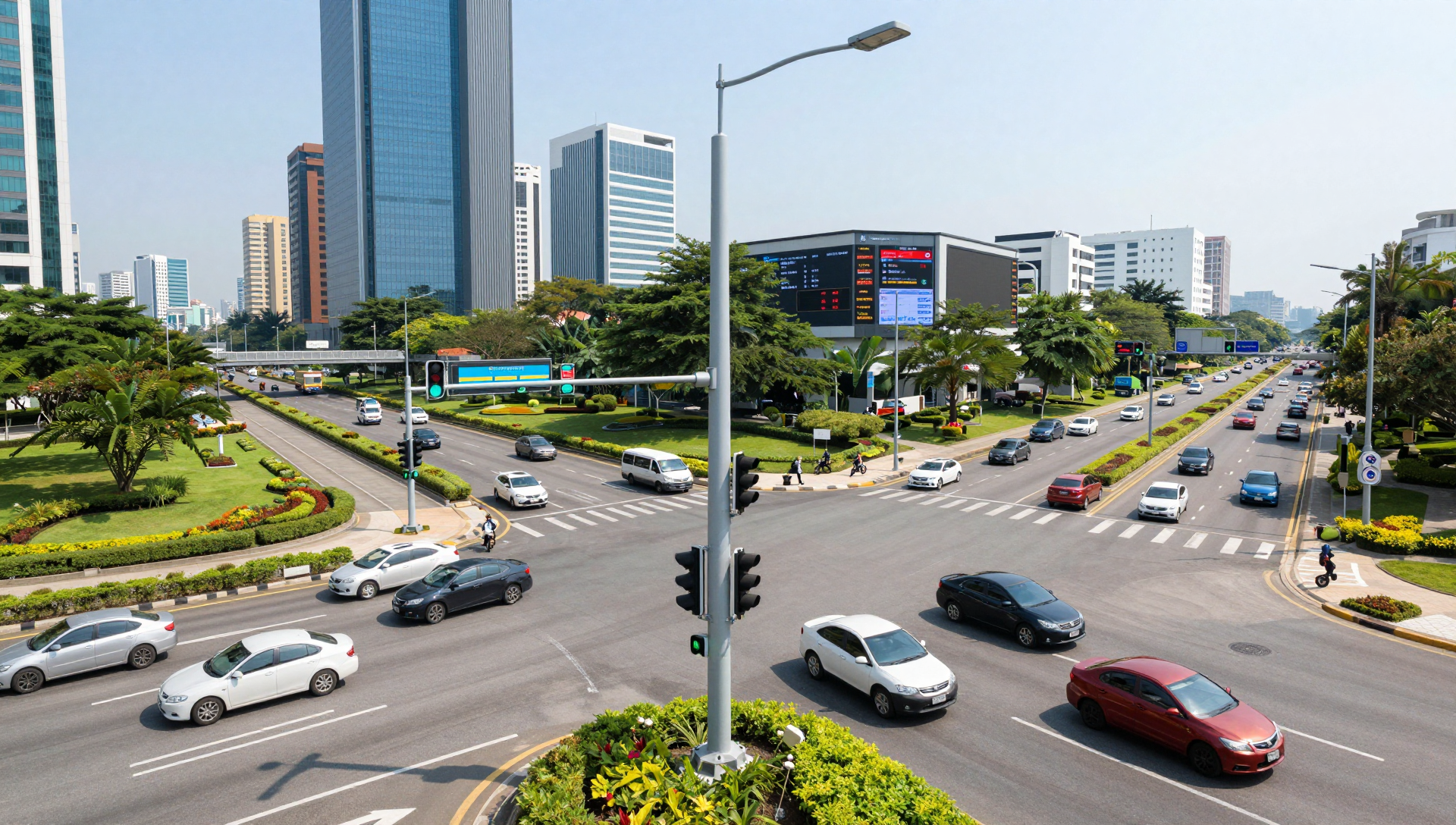
The Cyberjaya Smart Traffic System is at the forefront of modern traffic management, utilizing several innovative technologies aimed at improving traffic flow and enhancing road safety. One of the core components of this system is the automated traffic signal technology, which employs sophisticated algorithms that enable traffic lights to adjust their timings in real-time. This feature optimally manages the flow of vehicles based on current traffic volumes, reducing congestion and minimizing wait times at intersections.
Moreover, real-time data collection plays a pivotal role in the effective operation of the smart traffic system. Sensors embedded in the road infrastructure gather valuable information regarding vehicle counts, speeds, and congestion levels. This data is transmitted to a central control system, which analyzes it to make informed decisions about traffic signal adjustments. Such dynamic data collection not only enhances the responsiveness of traffic management but also allows for predictive analysis to anticipate traffic patterns, thus improving overall vehicle flow in Cyberjaya.
In addition to automated signals and real-time data collection, Cyberjaya also leverages adaptive traffic management technologies. These systems analyze traffic conditions continuously and adapt to changing circumstances, such as unexpected road closures or accidents. By reallocating resources and signals dynamically, the system ensures that traffic flows smoothly, even in unforeseen scenarios. This level of adaptability is crucial in urban environments where the volume of vehicles can flux dramatically throughout the day.
Collectively, these advanced technologies in Cyberjaya not only facilitate a smarter approach to traffic management but also significantly enhance the driving experience for residents and visitors alike, establishing Cyberjaya as a model for future smart city initiatives.
Real-Time Traffic Flow Optimization Strategies
In the contemporary landscape of urban development, managing traffic flow has emerged as a pivotal concern, especially in rapidly evolving areas like Cyberjaya. Utilizing advanced real-time traffic optimization strategies plays a fundamental role in enhancing vehicular movement and ensuring minimal congestion. At the heart of these strategies lies a sophisticated integration of various technologies, including sensors, cameras, and comprehensive data analytics.
Initially, the deployment of high-precision sensors across critical intersections provides invaluable data regarding vehicle density and movement patterns. These sensors track real-time traffic conditions, enabling the collection of pertinent information such as the number of vehicles on the road and their speed. This real-time data has significant implications for traffic management, as it empowers decision-makers to implement dynamic traffic signal adjustments based on current conditions.
Furthermore, the incorporation of surveillance cameras ensures continuous monitoring of traffic flow. These cameras not only reinforce data collection but also facilitate immediate interventions when traffic issues arise. For example, if a sudden increase in traffic volume is detected, the system can promptly adjust traffic light timings to alleviate congestion, thereby optimizing the flow of vehicles.
Data analytics also plays a crucial role in this optimization process. By analyzing historical traffic data in conjunction with real-time inputs, traffic management systems can identify patterns and predict future congestion scenarios. This predictive capability allows for proactive measures, such as rerouting traffic and implementing traffic advisories to minimize disruptions. Ultimately, the combination of sensors, surveillance cameras, and robust data analytics creates a cohesive strategy for optimizing traffic flow in Cyberjaya’s smart traffic system, paving the way for smoother commutes and enhanced urban mobility.
Automated Traffic Signal Control System Explained
The Cyberjaya Smart Traffic System incorporates an advanced automated traffic signal control system designed to enhance the efficiency of urban traffic management. This system utilizes a combination of real-time data collection, predictive analytics, and adaptive control algorithms to respond dynamically to the flow of traffic.
At the core of the automated system are sophisticated sensors and cameras mounted at various intersections. These devices monitor vehicular and pedestrian movements, providing crucial data that informs the traffic signals. Unlike traditional manual controls, which operate on fixed cycles, the automated system adjusts the timing of traffic lights based on current traffic conditions. This adaptability not only optimizes traffic flow but also minimizes waiting times, thereby reducing congestion and improving overall road safety.
The benefits of implementing an automated traffic signal control system are multifaceted. Firstly, it leads to a significant reduction in average travel times, as signals can extend green lights for vehicles when heavy traffic is detected. Secondly, this system enhances pedestrian safety by allowing for more efficient crossing signals, which can change in response to pedestrian activity. Additionally, the automated system provides vital analytics for city planners, helping them to identify and address traffic bottlenecks effectively.
This technology also supports emergency vehicles by prioritizing their passage through intersections, allowing them to respond more swiftly to incidents. The integration of such systems results in smoother traffic management and enhances the user experience for both drivers and pedestrians. In essence, the automated traffic signal control system represents a significant leap forward in urban traffic management, aligning with the overarching goals of the Cyberjaya Smart Traffic System to revolutionize mobility and safety in urban settings.
Digital Traffic Management Innovations in Malaysia
In recent years, Malaysia has witnessed significant progress in digital traffic management innovations that are reshaping urban mobility and enhancing traffic flow across various cities. Beyond Cyberjaya, cities such as Kuala Lumpur, Penang, and Johor Bahru have implemented cutting-edge technologies aimed at addressing current traffic challenges and promoting sustainable urban transport.
Kuala Lumpur, for example, has adopted advanced traffic management systems that utilize artificial intelligence and machine learning algorithms to optimize traffic signal timings. These systems analyze real-time traffic data and adjust signal phases accordingly to minimize congestion during peak hours. The implementation of smart traffic signals not only alleviates bottlenecks but also contributes to a reduction in vehicle emissions, thus promoting cleaner air in metropolitan areas.
Similarly, Penang has introduced an intelligent transportation system that integrates a comprehensive network of sensors and CCTV cameras. This initiative allows for real-time monitoring of traffic conditions, enabling traffic management authorities to respond swiftly to incidents and assess traffic flows effectively. Moreover, the data collected from these systems can be used to inform long-term urban planning and infrastructure development.
Johor Bahru has also embraced digital traffic solutions, incorporating mobile applications that provide real-time updates to commuters regarding traffic conditions and alternative routes. These applications not only enhance user experience but also encourage the use of public transport by providing information on bus schedules and availability.
By leveraging these various digital traffic management innovations, Malaysia is charting a course toward a more efficient and responsive transport system. This evolving landscape highlights the country’s commitment to integrating technology within urban infrastructure, ultimately aiming for reduced congestion and improved overall mobility. It is evident that these advancements are instrumental in transforming Malaysia’s transportation framework into a smarter, more resilient system.
Smart Mobility Infrastructure in Cyberjaya: Key Features
The Cyberjaya Smart Traffic System aims to enhance urban transportation through a comprehensive framework of smart mobility infrastructure. One of the key features of this system is the provision of multi-modal transport options. This approach encourages residents and visitors to utilize various forms of transportation, such as bicycles, electric scooters, public buses, and private vehicles, thereby reducing congestion and promoting sustainability. Multi-modal transport options facilitate seamless transitions between different transportation modes, contributing to a more efficient urban mobility experience.
Another critical aspect of this smart mobility infrastructure is integrated transport planning. This involves the collaboration of various stakeholders, including urban planners, transportation agencies, and technology providers, to design a cohesive transport network that aligns with the city’s urban development goals. Integrated transport planning ensures that the infrastructure supports the city’s growth while addressing the mobility needs of its population. By analyzing traffic patterns and utilizing real-time data, planners can make informed decisions that enhance both the efficiency and safety of the traffic system.
Public transportation plays a vital role in achieving the vision of a fully smart urban environment in Cyberjaya. A robust public transit system reduces the dependency on personal vehicles, thereby contributing to lower carbon emissions and improved air quality. Enhanced public transport options, including smart ticketing and real-time tracking systems, empower users by providing them with timely information and convenience. These advancements not only optimize travel time but also elevate the overall experience of commuters, making public transportation a more attractive option.
In summary, the smart mobility infrastructure in Cyberjaya encompasses multi-modal transport options, integrated transport planning, and strengthened public transportation, all of which are pivotal for revolutionizing traffic management in urban settings.
Conclusion: The Future of Smart City Transportation Systems
The future of smart city transportation systems holds significant promise for urban areas like Cyberjaya. As we reflect on the advancements made in traffic management through the Cyberjaya Smart Traffic System, it becomes evident that the integration of technology is reshaping urban life. Innovations such as real-time traffic monitoring, adaptive signal control, and data analysis are revolutionizing how cities manage vehicular flow and reduce congestion.
Looking ahead, the potential for further developments in transportation technology is vast. The use of artificial intelligence and machine learning offers opportunities for enhanced predictive analytics, allowing cities to forecast traffic patterns more accurately and optimize road usage. Additionally, the incorporation of Internet of Things (IoT) devices can facilitate seamless communication between vehicles and infrastructure, further improving the efficiency of road networks.
The impact of these advancements extends beyond mere traffic efficiency. Smart transportation systems have the potential to enhance environmental sustainability by reducing emissions, improving air quality, and promoting the use of public transportation. Moreover, by creating safer and more reliable transportation networks, we can foster community well-being and contribute to the overall quality of life in urban areas.
In conclusion, as Cyberjaya continues to serve as a model for smart city innovations, the evolution of traffic management systems will play a critical role in shaping urban transportation. The commitment to ongoing innovation in traffic technology will be essential for addressing the challenges of growing urbanization, ensuring that future generations can enjoy the benefits of efficient, sustainable, and safe transportation networks.