




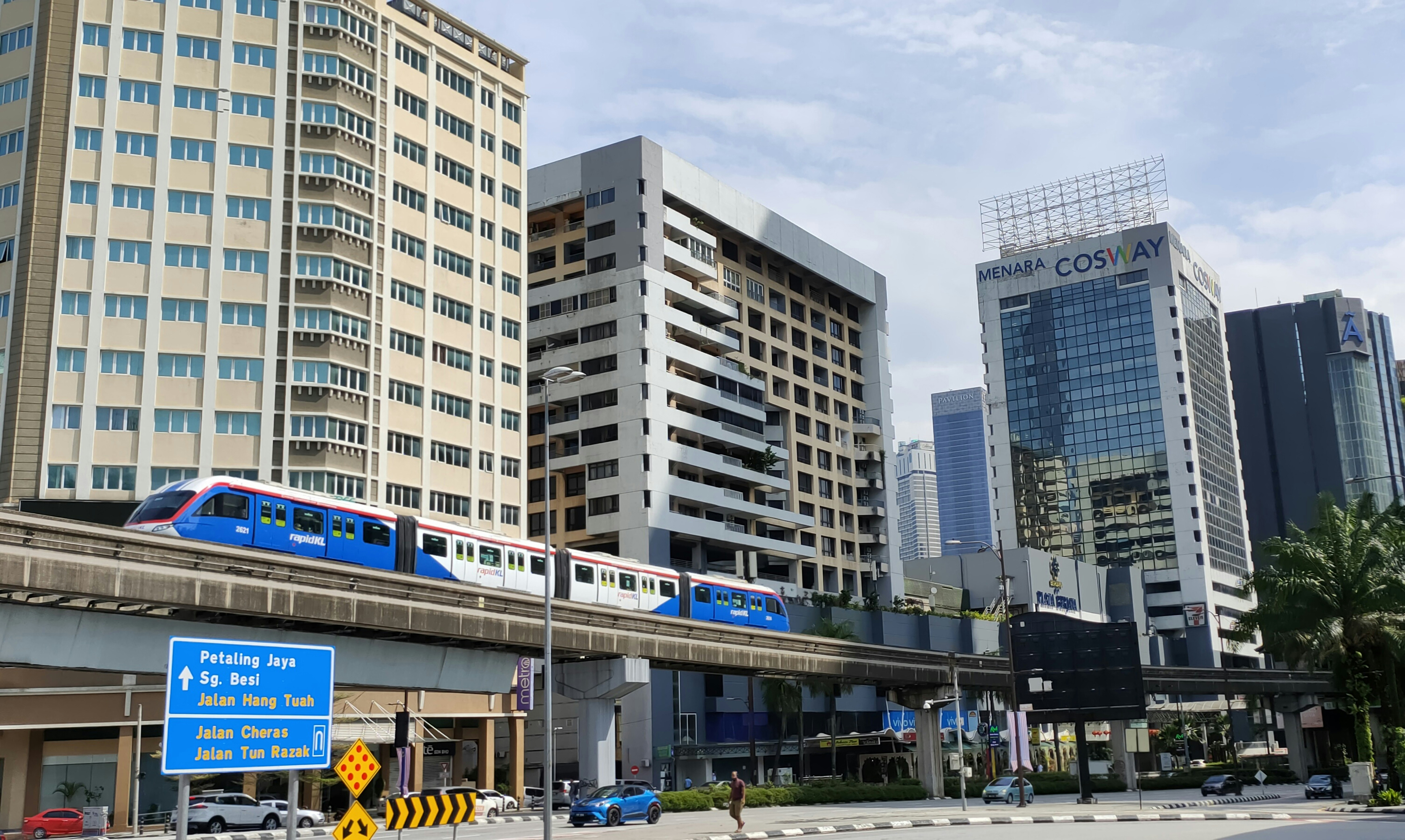
Introduction to LRT3 Digital Operations
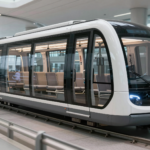
The Light Rail Transit Line 3 (LRT3) project represents a significant advancement in rail transit systems, particularly through the integration of digital operations and control technologies. As cities become more populated and the demand for efficient public transportation increases, the implementation of digital solutions in rail operations is essential to enhance service reliability and improve the overall passenger experience. Digital technologies play an encompassing role in revolutionizing traditional rail systems, providing an array of benefits including real-time monitoring, automated control systems, and predictive maintenance.
Modern rail systems, like the LRT3, leverage cutting-edge digital operations to optimize various facets of rail management. The deployment of advanced signaling, communication technologies, and data analytics fundamentally alters how trains operate, ensuring they run smoothly and adhere to schedules. These digital solutions facilitate better coordination among different rail services, allowing for a more integrated approach that can adapt to fluctuating passenger demands and changing operational conditions. As rail operators harness vast amounts of data generated from train operations, they can employ predictive analytics to foresee potential issues before they escalate into significant operational disruptions.
Moreover, the significance of digital operations in rail systems cannot be understated; they are instrumental in enhancing safety, efficiency, and sustainability within the transportation sector. With a more synchronized operation, resources are utilized more efficiently, leading to reduced energy consumption and a lower environmental impact. The LRT3 project exemplifies how modern technology is paving the way for a new era in rail transit, emphasizing the strategic integration of digital operations and its profound implications for the future of urban mobility.
Smart Rail Management: The LRT3 Approach
The implementation of smart rail management within the LRT3 system marks a significant advancement in the efficiency and effectiveness of rail transit. By incorporating cutting-edge technologies, LRT3 revolutionizes traditional rail operations, optimizing not only the control systems but also improving passenger experience. One of the pivotal aspects of this approach is the integration of real-time data analytics, which allows for the monitoring and managing of train schedules, track conditions, and operational incidents instantaneously.
Through advanced sensors and communication systems, LRT3 gathers data that can be used to predict potential disruptions, thereby facilitating swift responses to maintain service reliability. Additionally, this data informs strategic decisions, such as dynamic scheduling and resource allocation, adjusting operational parameters on the fly to meet real-time demand and improve overall service punctuality.
Moreover, smart rail management through LRT3 emphasizes the importance of passenger-centric services. With the introduction of mobile applications and information displays at stations, passengers are provided with up-to-date information about train schedules, delays, and platform changes. This transparency increases passenger satisfaction and confidence in rail operations, ultimately attracting more users to public transit.
The LRT3 system also employs safety management systems that utilize automated monitoring to ensure compliance with safety regulations. By integrating smart technology, the system can immediately relay alerts concerning any safety risks, enhancing the security of both passengers and staff.
In summary, the smart rail management approach of LRT3 encapsulates a forward-thinking philosophy that prioritizes efficiency, safety, and passenger comfort. By fully leveraging technology, LRT3 transforms how rail systems operate, paving the way towards smarter, more adaptable public transport solutions that cater to the evolving needs of urban environments.
The Role of Digital Railway Control Technology
The advent of digital technology has transformed various sectors, and the railway industry is no exception. The LRT3 (Light Rail Transit Line 3) is at the forefront of this transformation, utilizing advanced digital railway control technologies to enhance its operations. These systems not only facilitate seamless communication between the train and the control center but also improve the operational efficiency of the network, thereby optimizing service delivery.
One of the key components of LRT3’s digital operations is the implementation of a sophisticated signaling system. This system employs precise algorithms to ensure trains operate at safe distances from one another, significantly minimizing the risk of accidents. Additionally, the real-time data analytics enabled by digital control technologies allow for dynamic adjustments during operations. This responsiveness can mitigate delays and enhance the overall reliability of the transit system.
Moreover, the digital control technology used in LRT3 plays a crucial role in enhancing passenger safety. Through advanced monitoring and alert systems, potential safety hazards are identified proactively. Integrated cameras and sensors provide continuous oversight of the train environment, ensuring that any unusual occurrences are addressed immediately. These safety features are complemented by automated emergency protocols that can be initiated instantly in case of emergencies.
Furthermore, performance improvements brought about by digital railway control technology are notable. The ability to monitor train speeds, track conditions, and passenger loads in real time allows for more informed decision-making. This results in efficient energy usage, reduced operational costs, and improved service frequency. As LRT3 moves towards a more digitalized future, these technologies will continue to be pivotal in shaping a more efficient, safe, and reliable railway system.
Automated Train Operations in LRT3
The implementation of automated train operations (ATO) within the LRT3 system represents a significant advancement in the realm of rail transit. ATO leverages cutting-edge technology to enhance service reliability and operational efficiency. By automating driving functions, LRT3 minimizes the chances of human errors, ensuring consistent and timely services for passengers.
The reliability of rail transit is critical, and automation plays a vital role in maintaining high standards. With ATO, trains can operate with increased precision, allowing for reduced headways between services. This enhancement in frequency means that passengers experience shorter waiting times, promoting a more enjoyable commuting experience. Moreover, automated systems can optimize routing and scheduling in real-time by adjusting operations based on current ridership demands and unforeseen circumstances.
Despite these significant advantages, the integration of automated operations is not without its challenges. One of the primary concerns is the infrastructure required to support such advanced systems. Implementing ATO necessitates upgrades to signaling systems and the installation of comprehensive monitoring equipment. Additionally, the technology must be thoroughly tested to ensure safety and reliability before being fully operational.
To tackle these operational challenges, thorough planning and iterative solutions are mandatory. Collaboration among transit authorities, technology providers, and infrastructure managers is essential to address any barriers to effective automation. By sharing knowledge and expertise, stakeholders can develop strategies that ensure the longevity and effectiveness of automated systems.
Ultimately, leveraging automated train operations in LRT3 represents a forward-thinking shift towards smarter rail transit, benefitting both the operators and the passengers alike. Such innovations promise to not only enhance the operational capabilities of the system but also improve the overall passenger experience, underpinning the importance of continued investment in rail technology.
Intelligent Rail Monitoring Systems: Enhancing Safety and Efficiency
The advancement of rail transit technology has significantly transformed the way rail systems operate, particularly with the implementation of intelligent rail monitoring systems in LRT3. These systems leverage cutting-edge technologies to facilitate real-time data collection and analysis, which is pivotal for maintaining operational safety and optimizing efficiency.
One of the core benefits of intelligent rail monitoring systems is their ability to conduct predictive maintenance. By utilizing sensors and data analytics, these systems monitor various parameters of rail infrastructure and rolling stock. For instance, they can detect anomalies in track conditions, vibrations, and wear patterns on train components. Early identification of potential faults allows for maintenance to be performed proactively, thus reducing the risk of disruptions and enhancing the overall reliability of the rail service.
Moreover, these monitoring systems contribute to passenger safety by continuously assessing conditions along the track and within train compartments. Advanced technologies such as LiDAR and thermal imaging are employed to ensure that any hazardous situations, such as track obstructions or equipment malfunctions, are swiftly detected and addressed. This real-time safety monitoring not only aids in immediate incident response but also fosters a sense of security among passengers traveling on the LRT3 system.
In addition to maintenance and safety, intelligent rail monitoring systems enhance operational efficiency by optimizing train schedules and reducing energy consumption. By analyzing data on train performance and ridership patterns, these systems enable the adjustment of service frequency and train speeds, thus ensuring that resources are utilized effectively and that service is aligned with demand.
The Operational Control Center of LRT3
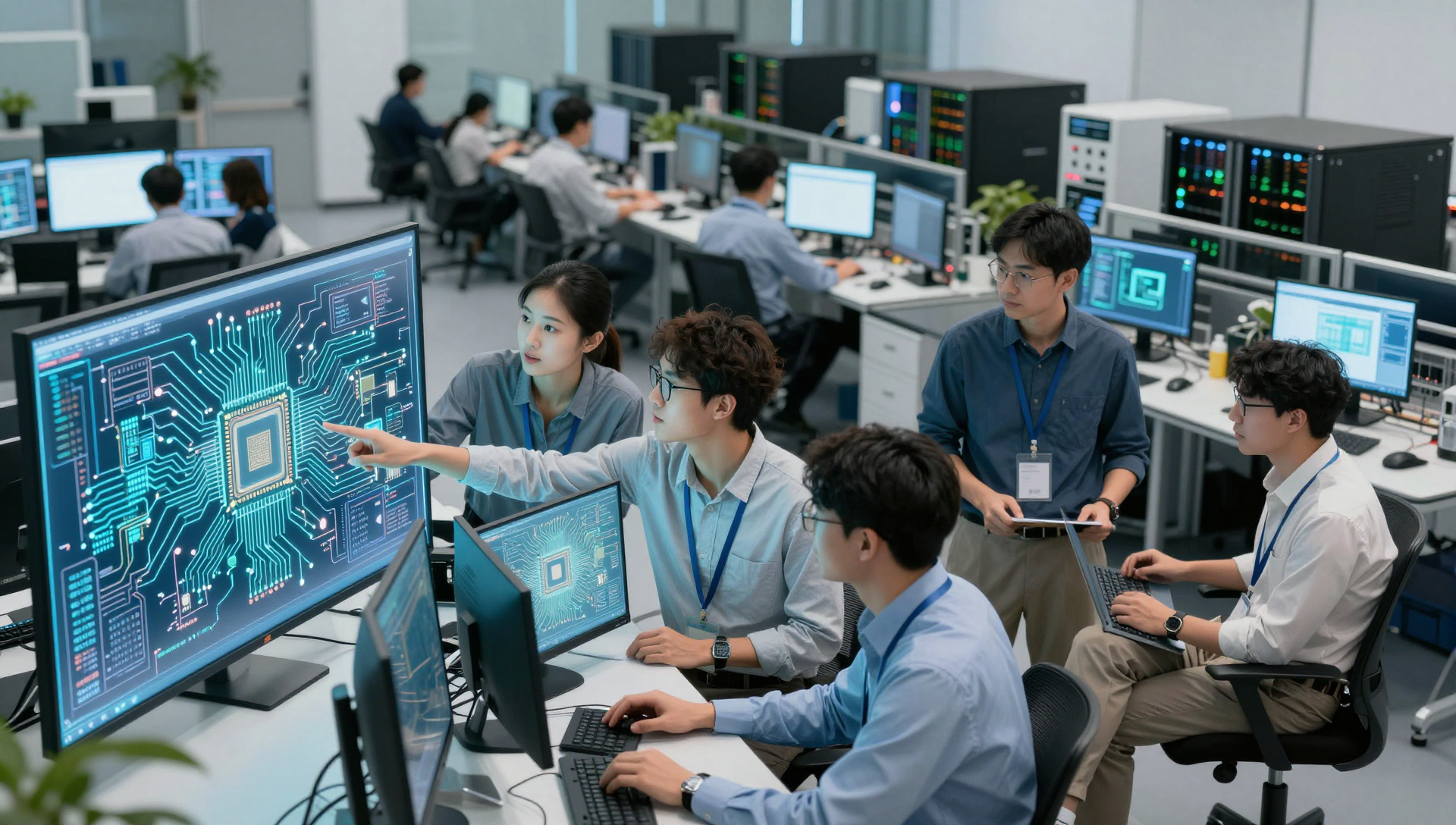
The Operational Control Center (OCC) of LRT3 plays a pivotal role in ensuring the efficient functioning of the transit system. The OCC is tasked with the real-time monitoring and management of train operations, signaling systems, and safety protocols. By integrating advanced digital operations and control systems, the OCC enhances the overall reliability and safety of the rail network, ensuring that services run smoothly and on schedule.
One of the primary functions of the OCC is to coordinate train movements across the entire network. This is achieved through a sophisticated array of digital tools that allow operators to maintain constant communication with train drivers and on-ground personnel. The use of these technologies not only improves coordination but also aids in the rapid dissemination of information in the event of disruptions or emergencies.
Moreover, the OCC plays a critical role in decision-making processes. Real-time data analysis enables operators to make informed decisions swiftly, especially in crisis situations. For instance, if a train experiences a mechanical failure or an unexpected incident occurs on the tracks, the control center can promptly deploy emergency protocols, reroute trains, or communicate updates to passengers. This level of responsiveness is essential for maintaining safety and minimizing disruptions in service.
The significance of the OCC extends beyond operational management. It serves as a central hub for crisis management, where operators can strategize effective responses during emergencies, thus ensuring passenger safety and operational continuity. This focus on transparency and communication fosters confidence among passengers in the reliability of the rail system.
In summary, the Operational Control Center of LRT3 is a cornerstone of the rail transit system, facilitating the synchronization of various components of the transportation network through real-time monitoring, swift decision-making, and a clear crisis management approach.
Smart Public Transit Automation: Benefits and Challenges
The integration of smart public transit automation, particularly in projects like LRT3, signifies a transformative approach to urban mobility. Such advancements promise numerous benefits aimed at enhancing operational efficiencies and user experiences. One of the foremost advantages of automated systems is the potential for improved safety. Automation reduces the likelihood of human errors, which are a notable factor in transit accidents. By employing advanced sensors and real-time monitoring, automated systems can identify obstacles and respond accordingly, thus ensuring safer journeys for passengers.
In addition to safety improvements, smart automation enhances service reliability. Automated operations can facilitate precise scheduling and reduce delays caused by manual intervention. This reliability not only benefits passengers but also encourages increased ridership, as users are more likely to opt for public transportation when they can trust that services will run on time.
Cost efficiency is another significant benefit. With automated systems, transit authorities can reduce labor costs associated with train operation and management. Furthermore, predictive maintenance powered by data analytics can minimize operational disruptions and extend the lifespan of transit infrastructure.
However, the path towards implementing smart public transit automation is not without its challenges. One major obstacle lies in the initial investment required for technology and infrastructure upgrades. Transit authorities must secure funding, which can be particularly difficult in budget-constrained environments. Additionally, the integration of new technologies into existing systems often poses technical challenges, requiring significant planning, redesign, and training to properly accommodate changes.
Moreover, public acceptance remains a hurdle. Stakeholders, including employees and passengers, must be educated about the benefits of automated operations to alleviate fears regarding job displacement and foster an environment conducive to embracing innovation. Balancing these benefits and challenges will be crucial for the successful rollout of LRT3 and similar projects, ensuring that smart public transit automation fulfills its potential while addressing the concerns of all stakeholders involved.
Real-Time Rail Network Management in LRT3
The management of real-time rail networks within the LRT3 system is a pivotal aspect of its operations. To ensure efficient and reliable transit, LRT3 integrates advanced technologies and strategic methodologies that facilitate immediate responses to operational issues. The objective is to provide seamless transport experiences for passengers while optimizing network performance.
One of the core technologies employed is the Automatic Train Control (ATC) system, which utilizes real-time data to monitor and manage train movements. This system enhances safety by ensuring trains operate at optimal speeds and maintaining predetermined distances between vehicles. Furthermore, it provides operators with instant feedback regarding train status and track conditions, allowing for quick decision-making in the event of disruptions.
Alongside ATC, LRT3 employs a state-of-the-art Communication-Based Train Control (CBTC) system. This technology allows trains to communicate with each other and with the control center in real-time, leading to enhanced coordination. By processing data from a network of sensors and signals, CBTC helps prevent conflicts and enhances the frequency of train services, improving overall network efficiency.
Moreover, LRT3 actively uses predictive analytics as part of its operational strategy. This approach leverages historical data and real-time inputs to forecast potential delays or issues, enabling proactive management. For example, if the system detects patterns that suggest a likelihood of congestion, it can take preemptive measures, such as adjusting schedules or rerouting trains.
Overall, LRT3’s commitment to real-time rail network management not only enhances operational efficiency but also bolsters passenger satisfaction. By harnessing the power of technology, it is equipped to respond effectively to any challenges that arise, ensuring a robust transit system into the future.
Digital Transformation in Rail Transport: Looking Ahead
The rail transport industry is on the brink of a significant digital transformation, reshaping the way systems are operated and managed. Innovations such as the LRT3 project in Malaysia exemplify how these advancements can streamline operations, enhance user experience, and improve overall efficiency. Digital operations and control systems are enabling railways to pivot towards more sustainable and smarter transportation solutions.
At the core of this transformation is the integration of cutting-edge technologies such as big data analytics, cloud computing, and Internet of Things (IoT) devices. By adopting these technologies, rail operators can gather and analyze vast amounts of operational data to optimize performance. This data-driven approach allows for predictive maintenance, minimizing downtime and repair costs, and ultimately providing a more reliable service to passengers.
Furthermore, digital transformation fosters enhanced communication between trains, signal systems, and operational staff. This synergy is crucial for improving safety measures and ensuring timely services. For instance, real-time data exchange between systems enables quicker responses to potential disruptions, enhancing operational resilience. As demonstrated by LRT3, these improvements can lead to significant reductions in the frequency of delays and incidents on the rail network.
As we look ahead, it is evident that the evolving landscape of rail transport is heavily influenced by digital initiatives. The successful implementation of LRT3’s digital operations can serve as a blueprint for future projects not only within Malaysia but globally. The focus on integration, safety, and efficiency will likely dictate the advancements seen in rail transport systems for years to come. Therefore, embracing such transformation is essential for rail operators aiming to stay competitive and meet the rising demands of passengers in an increasingly digital world.