




Introduction
Modern airports serve as pivotal hubs in the intricate web of global travel, yet they are frequently plagued by substantial challenges in their transportation systems. Traditional airport transport mechanisms, including shuttle buses and trams, often manifest inefficiencies marked by delays, overcrowding, and inadequate connectivity between terminals. These constraints contribute to passenger dissatisfaction, placing excessive pressure on airline schedules and airport operations alike. Furthermore, with increasing passenger volumes, the deficiencies of conventional transportation methods become even more pronounced, necessitating innovative solutions to enhance the traveler experience.
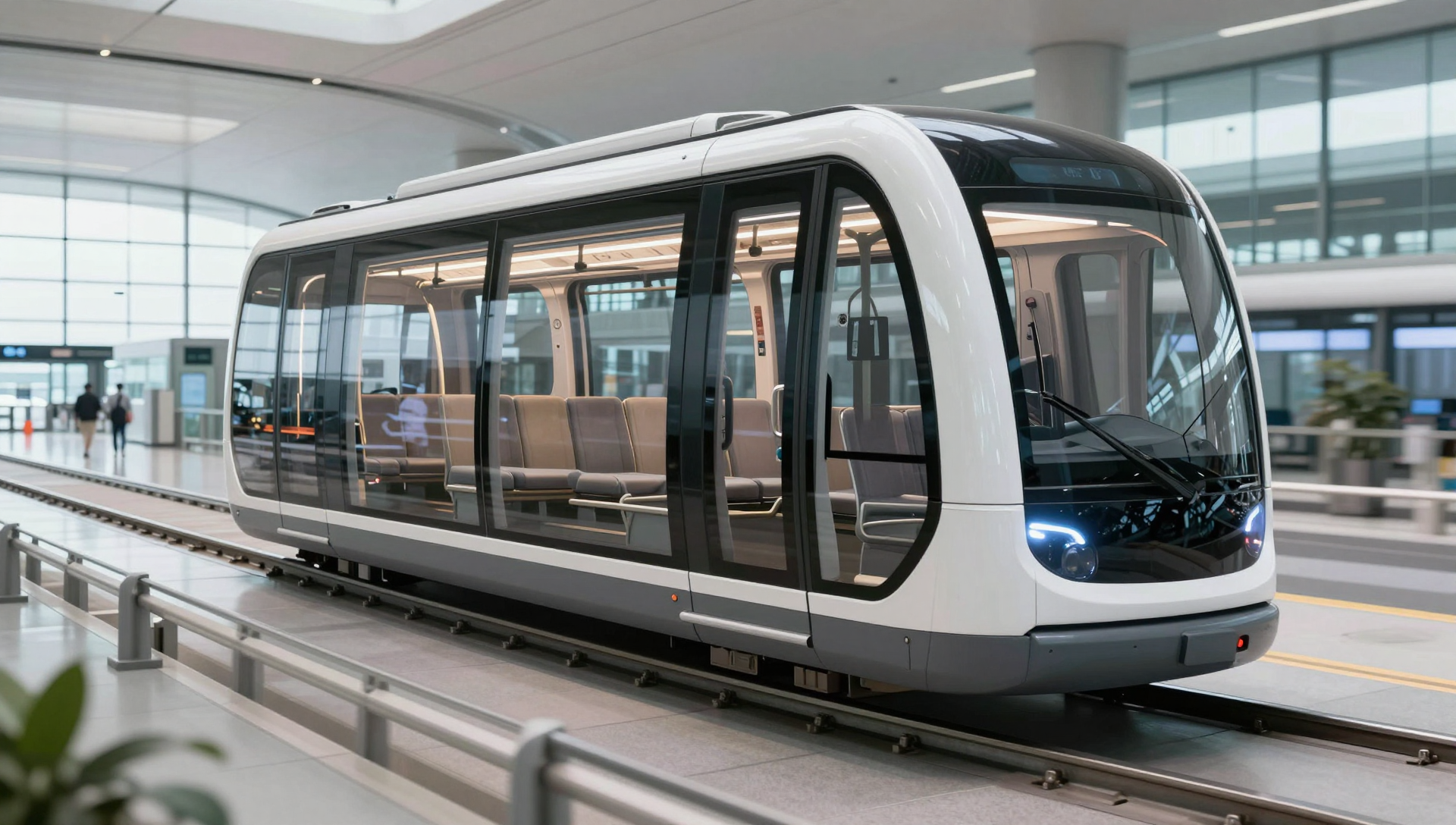
The introduction of Automated People Movers (APMs) emerges as a transformative approach to tackling these challenges. APMs, characterized by their automated, driverless operation, provide a streamlined and efficient mode of transport within airport premises, connecting various terminals, parking areas, and other essential facilities. Unlike traditional systems, APMs promise to mitigate issues such as wait-time lags and cramped conditions, thereby improving overall airport efficiency and user satisfaction. By deploying a system that functions 24/7, airports can ensure continuous service that seamlessly adapts to fluctuating passenger demand.
In this blog post, we will explore the multifaceted advantages of implementing automated transport systems in airports. These innovations not only enhance logistical operations but also contribute to sustainability initiatives by reducing congestion and lowering carbon footprints. As we delve deeper into the subject, it becomes evident that the evolution of airport transportation systems toward automation is not merely a trend but a necessary progression toward more efficient and user-friendly travel environments.
Reducing Traditional Transport Dependency
Automated People Movers (APM) systems are gaining prominence as a crucial element in modern airport transportation, significantly diminishing reliance on traditional transport methods such as shuttle buses and taxis. The implementation of APMs offers a streamlined and efficient means of moving passengers within airport premises, addressing many of the shortcomings associated with conventional transit options.
One of the primary advantages of APM systems is their capacity to alleviate traffic congestion. Traditional shuttle services often contribute to increased vehicular movement around airports, leading to congestion not only on access roads but within the airport itself. By utilizing dedicated tracks or pathways, APMs can operate independently of other traffic, resulting in smoother passenger flow and reduced wait times. This independence helps improve the overall experience for travelers, allowing them to navigate airports more efficiently.
Moreover, APM systems can contribute to significant cost savings in terms of maintenance and operational expenses. Conventional transport modalities typically require extensive maintenance and fuel costs, alongside the labor costs associated with personnel management. In contrast, APMs, often electrically powered and utilizing automated technology, reduce the burden of maintenance and allow airports to allocate resources elsewhere. This shift not only facilitates a more cost-effective transportation solution but also fosters a more sustainable approach to airport operations.
Additionally, the implementation of APM systems enhances airport efficiency. With reduced dependency on traditional transport, airports can better manage space utilization, passenger logistics, and operational workflows. Furthermore, APMs can adapt to fluctuating passenger volumes, providing enhanced frequency and reliability in service.
Ultimately, the integration of APM systems signifies a transformative step towards more efficient airport transportation, paving the way for reduced reliance on traditional transport modalities while simultaneously increasing overall efficiency and sustainability.
Efficiency Benefits of Automated People Movers
Automated People Movers (APMs) are redefining airport transportation efficiency by integrating advanced technology with innovative design. One of the primary advantages of APMs is their ability to provide increased operational frequency compared to traditional transport methods. APM systems operate continuously without the need for human operators, enabling them to maintain a consistent flow of service that meets high passenger demand, particularly during peak travel times. This responsiveness not only enhances the overall passenger experience but also improves the airport’s capacity to handle large volumes of travelers.
Moreover, APMs significantly reduce travel times through efficient routing and minimal waiting periods, often resulting in transit times that are substantially faster than conventional shuttle buses or trams. The streamlined nature of these systems facilitates direct connections between terminals and parking areas, thereby minimizing transfer delays. This time efficiency is especially critical as airports expand and passenger traffic continues to increase, necessitating innovative solutions to maintain accessibility.
Another noteworthy advantage of APMs is their capacity to manage a higher volume of passengers simultaneously. Unlike traditional transport modes, which can be hindered by operational failures due to human error or scheduling conflicts, APMs employ automated systems that ensure a reliable and steady flow of passengers. This ability to handle larger crowds without compromising service quality is an essential consideration for modern airports looking to optimize their operations.
A comparative analysis with traditional transport modes further underscores the operational advantages of APMs. While buses may require specific stops and can be subject to traffic congestion, APMs use dedicated tracks and routes, enabling them to bypass such obstacles. Additionally, traditional transportation options often have limited capacity during peak periods, exacerbating delays. In contrast, APMs are designed to be scalable, ensuring efficient transportation regardless of passenger volume.
Exploring Airport Transit Automation Solutions
The evolution of airport transportation is significantly influenced by advancements in technology, particularly through the implementation of automated transit systems. These systems are designed to enhance the efficiency and effectiveness of passenger movement within airport environments, ensuring seamless connectivity between terminals and other points of interest.
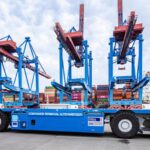
Driverless shuttle buses represent one of the most visible manifestations of automation in airport transit. These vehicles operate without human intervention, utilizing advanced sensors, cameras, and software to safely navigate their routes. They can transport passengers from parking lots to terminals or between terminals, thereby reducing wait times and alleviating congestion in heavily trafficked areas. Their adaptability to various passenger demands provides airports with the flexibility to manage traffic flows more efficiently.
Another crucial technological advancement is the use of autonomous trains. Many modern airports are integrating these systems into their infrastructure to facilitate rapid transit over longer distances. Autonomous trains can operate with high-frequency schedules and have the capacity to carry large volumes of passengers, minimizing the time it takes to traverse the airport. This form of transport not only shortens the overall travel time for passengers but also plays a vital role in enhancing the overall passenger experience.
The integration of these automated systems within airport infrastructure is a multifaceted process that requires significant coordination and planning. From data communication systems that ensure the uninterrupted flow of information between vehicles and control centers to the establishment of safety protocols that guarantee passenger security, various elements must align for a successful implementation. Furthermore, the collaboration between airport authorities, technology providers, and government agencies is crucial to usher in a new era of automated airport transit where efficiency and passenger satisfaction are paramount.
Advantages of Driverless Transport Systems
Driverless transport systems are poised to transform the landscape of airport travel, offering numerous advantages that enhance both efficiency and passenger experience. One of the most significant benefits is improved safety. Automated systems are equipped with advanced sensors and integrated algorithms that ensure precise navigation and obstacle detection, thereby minimizing the risk of accidents. The reduced likelihood of human error further solidifies the safety record of these systems, making them an attractive option for busy airports where the potential for incidents can be high.
Additionally, implementing driverless transport solutions can result in significantly lower labor costs for airport operators. By minimizing the need for personnel to manage and operate shuttle systems, airports can allocate their budget towards improving infrastructure and passenger services. This cost-efficiency can also lead to lower ticket prices for travelers, encouraging more individuals to utilize airport transit services.
Another notable advantage of driverless transport systems is their capacity to operate around the clock. Unlike conventional transport systems that rely on human operators, automated vehicles can function 24/7 without breaks, directly meeting the demand of modern travelers, whether it be late-night flights or early morning arrivals. This uninterrupted service can significantly enhance the passenger experience, providing convenience and reducing wait times for transport.
Despite these advantages, some common misconceptions persist regarding driverless transport systems. Critics often express concerns over reliability and technological limitations. However, ongoing advancements in automation and artificial intelligence are continuously enhancing the reliability of these systems, ensuring that they can meet the demands of airport operations effectively.
Creating Sustainable Airport Mobility Systems
The advent of automated airport transport solutions marks a pivotal shift towards more sustainable airport mobility systems. As airports worldwide strive for operational efficiency while minimizing their environmental impact, implementing automated transit technologies promises energy efficiency and a reduced carbon footprint.
A significant advantage of automated transport systems in airport settings is their capability to optimize energy consumption effectively. These systems can be designed to use energy-efficient vehicles, such as electric or hybrid models, which consume considerably less energy compared to traditional transport methods. Furthermore, automation allows for smoother traffic flow, reducing idling and stop-start driving patterns that contribute to fuel wastage. This optimized operation not only enhances efficiency but also translates into cost savings for transport authorities and operators.
Moreover, the integration of renewable energy sources into airport transport systems can further bolster sustainability efforts. Solar panels, wind turbines, and other forms of renewable energy can be harnessed to power these automated systems, leading to a significant decrease in reliance on fossil fuels. By employing clean energy, airports can considerably reduce their overall carbon emissions, thus contributing to a greener environment.
Additionally, automated transport systems have the added benefit of improving the overall passenger experience. With reduced wait times and more reliable service, these systems encourage the use of public transportation over individual vehicular travel, further enhancing sustainability efforts. By fostering a culture of shared transport, airports can contribute to less traffic congestion and lower emissions from cars and taxis.
In summary, the implementation of automated airport transport solutions not only promotes energy efficiency and reliance on renewable energy but also cultivates a shift towards more sustainable mobility practices at airports. By embracing these innovative technologies, airports can play a crucial role in addressing the pressing challenges of climate change and environmental degradation.
Impact on Shuttle Bus Requirements
The emergence of Automated People Movers (APMs) is poised to significantly transform airport transportation systems, particularly as it pertains to the requirements for traditional shuttle bus services. APMs offer seamless, automated transit solutions that efficiently connect various terminal facilities, thereby mitigating the reliance on conventional shuttle buses.
Financial implications associated with the shift from shuttle bus services to APM systems are considerable. Airports often face substantial operational and maintenance costs when managing shuttle fleets, which include vehicle purchase, personnel salaries, and fuel expenses. Transitioning to an APM framework can result in a notable reduction in these costs over time, as these systems typically require less ongoing maintenance and can operate with reduced staffing levels. By reallocating financial resources saved from decreased shuttle bus operations, airports can invest more in enhancing passenger services and infrastructure.
Furthermore, APMs contribute to significant space savings, a crucial advantage in airport design and operations. Traditional shuttle bus services necessitate designated waiting areas, maintenance zones, and often, extensive roadways for transit routes, which consume valuable real estate. In contrast, APM systems can be installed in compact, elevated structures, freeing up space for passenger services, retail outlets, or additional terminal expansion. This spatial efficiency not only optimizes the airport layout but also enhances the traveler experience by reducing congestion.
Operational efficiency is another key benefit afforded by APMs, as they facilitate faster, more reliable transportation. With the capability for high-frequency service, APM systems can decrease the waiting times for passengers, creating a more streamlined connection between terminals. This not only improves traveler satisfaction but also alleviates the pressure on airport infrastructure, ultimately leading to smoother operations.
Smart Passenger Transportation Networks
The evolution of airport transportation is being reshaped by the emergence of smart passenger transportation networks, which leverage advanced technologies to improve efficiency and enhance passenger experiences. These networks utilize real-time data analytics to monitor and manage the flow of passengers effectively. By analyzing data from various sources, including flight schedules, ticket sales, and current passenger volume, airports can make more informed decisions about resource allocation and traffic management.
One of the key components of intelligent transport networks is the ability to predict passenger flow. Predictive analytics can help airport operators identify peak times and adjust services accordingly, ensuring smoother movement through terminals. Technologies such as AI and machine learning enable airports to provide tailored solutions that cater to the unique needs of travelers. For instance, dynamic signage can direct passengers to less crowded pathways and optimize the use of available transport modalities.
Furthermore, seamless interconnectivity among various transport modes is essential for creating an integrated travel experience. Intelligent transport systems can facilitate smoother transitions between different modes, such as trains, buses, and rideshare services. Through the use of mobile applications and digital platforms, passengers can access real-time information regarding schedules, route options, and traffic conditions. Such integration minimizes wait times and enhances the overall convenience of airport travel.
Moreover, the implementation of automated solutions, such as autonomous shuttles and luggage transport systems, further supports the efficiency of transportation networks. These systems not only reduce operational costs but also promote sustainability by lowering carbon footprints associated with traditional transport methods. The ongoing advancements in smart passenger transportation networks are pivotal in redefining the future of airport travel, addressing the challenges faced by passengers and airport authorities alike.
Next-Generation Airport Transportation Systems
The future of airport transportation systems is poised for extraordinary transformation fueled by rapid technological advancements and shifting passenger expectations. Automated transit systems, particularly those designed for airports, are set to enhance efficiency, reduce congestion, and offer a seamless travel experience. Emerging technologies such as artificial intelligence, machine learning, and autonomous vehicles will play a pivotal role in redefining how travelers navigate through airports.
One noteworthy trend is the integration of autonomous shuttles and electric vehicles into airport transit systems. These vehicles can facilitate efficient transport between terminals, parking lots, and nearby public transport hubs. Not only do they promise to minimize wait times, but they also align well with global initiatives aimed at reducing carbon footprints, contributing to more sustainable airport operations.
Moreover, the implementation of smart technology in next-generation transportation systems will enhance overall operational effectiveness. Airports are expected to leverage data analytics to monitor passenger flow dynamically. This information can help in optimizing shuttle schedules, ensuring that transit systems are responsive to peak travel times and minimizing delays that often frustrate travelers.
Additionally, innovations such as robotic baggage handling systems will likely complement new transit systems. These technologies can work in harmony with automated transit solutions to ensure that luggage is transported swiftly and accurately from check-in to the aircraft and vice versa. This integrated approach will not only heighten customer satisfaction but also improve the airport’s turnaround time.
Ultimately, the next generation of airport transportation is set to prioritize safety, efficiency, and passenger comfort. With the convergence of innovative technologies, future airport transit systems will create an environment where every traveler can expect smoother transitions, less stress, and a more enjoyable journey from the ground to the sky.