



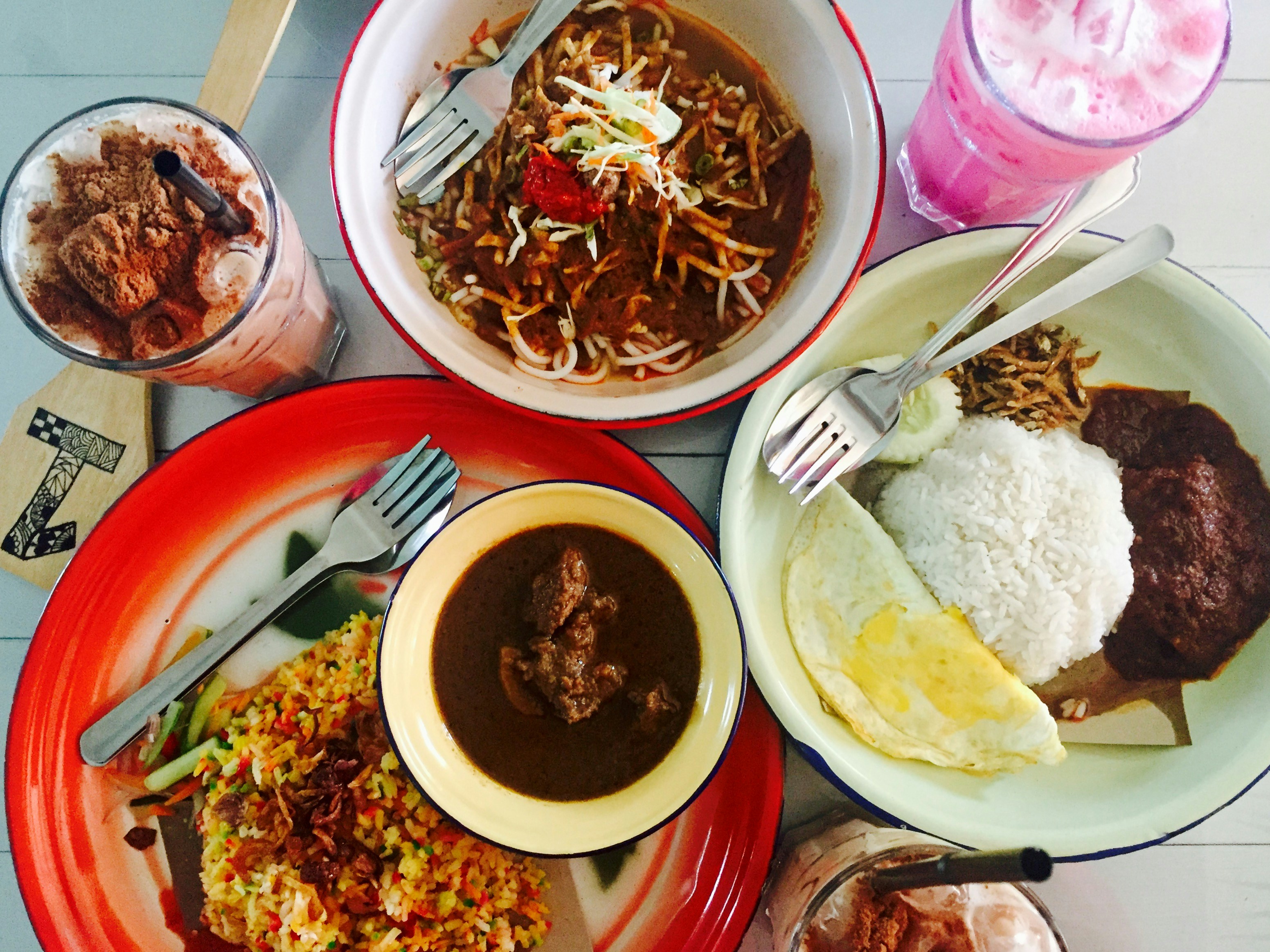


Introduction to Traditional Malaysian Foods
Traditional Malaysian foods epitomize the country’s vibrant culture and rich heritage, reflecting a confluence of various ethnic influences. The cuisine is a unique amalgamation primarily derived from the Malay, Chinese, and Indian communities, each contributing distinct flavors, ingredients, and preparations to the culinary landscape. This diverse culinary tapestry is not only a reflection of Malaysia’s multicultural society but also represents its history, tradition, and local resources.
The Malay community offers staples such as nasi lemak, a fragrant rice dish cooked in coconut milk, often served with sambal, fried anchovies, peanuts, and boiled eggs. This dish is emblematic of Malaysian breakfast culture, showcasing the use of local spices and ingredients. Moving to Chinese influences, dishes like char kway teow and laksa gain popularity, highlighting stir-frying techniques and the importance of noodles in the Chinese diet. Meanwhile, the Indian community contributes dishes such as roti canai and nasi kandar, which incorporate a variety of spices and cooking methods, reflecting their culinary traditions.
Moreover, the dietary practices are significantly shaped by geographical factors and the availability of local produce. Many traditional Malaysian foods are inherently tied to the land, with a focus on fresh, seasonal ingredients usually sourced from local markets. This not only supports the local economy but also promotes the consumption of nutritious, wholesome foods that are beneficial to public health. Furthermore, the communal aspect of food preparation and sharing in many Malaysian cultures fosters social bonds and enhances the sense of community.
In summary, the wealth of traditional Malaysian foods serves as a testament to the nation’s multicultural ethos and plays a pivotal role in shaping both its social fabric and nutritional landscape. The exploration of these culinary delights will provide insights into their nutritional value and overall impact on public health throughout Malaysia.
Nutritional Profiles of Common Malaysian Dishes
Malaysian cuisine is renowned for its rich flavors and diverse ingredients, comprising various dishes that reflect the nation’s multicultural heritage. A few notable examples include Nasi Lemak, Laksa, and Roti Canai, which not only tantalize the taste buds but also hold significant nutritional value.
Nasi Lemak is often considered the national dish of Malaysia. It typically features steamed coconut rice served with sambal, fried crispy anchovies, toasted peanuts, boiled egg, and cucumber slices. The coconut rice provides a source of carbohydrates, while the anchovies and peanuts contribute protein and healthy fats. Additionally, cucumber and sambal offer vitamins and antioxidants. This dish, however, can be high in saturated fat due to the coconut milk, necessitating moderation in consumption to maintain a balanced diet.
Moving on to Laksa, a popular spicy noodle soup, it varies regionally but often includes rice noodles, fish or chicken, and a fragrant coconut milk or sour asam broth. The diversity of ingredients in Laksa enriches its nutritional profile; for instance, rice noodles are a carbohydrate source while the broth contributes vitamins and minerals from ingredients such as lemongrass and galangal. The protein content largely depends on the choice of meat, making this dish a versatile option for many dietary preferences. However, caution is advised due to its potential high sodium content.
Roti Canai, a flaky flatbread typically served with curry, is another staple in Malaysian cuisine. It is made from refined flour, thus providing carbohydrates but is low in fiber. This dish often accompanies protein-rich curries, enhancing its overall nutritional value. Although delicious, it is essential to be mindful of the portion size, as the preparation method may incorporate large amounts of oil, affecting its caloric density.
In comparison to traditional dishes from other countries, Malaysian foods like Nasi Lemak and Laksa often highlight the balance of macronutrients while also reflecting culinary creativity. Understanding the nutritional profiles of these dishes can lead to more informed dietary choices, ensuring individuals reap the benefits of Malaysian cuisine without compromising health.
Cultural Importance of Traditional Malaysian Foods
Traditional Malaysian foods are an integral part of the nation’s cultural identity, reflecting the diverse ethnic groups that inhabit the country, which include Malays, Chinese, Indians, and various indigenous peoples. Each group brings its unique flavors and culinary practices, contributing to a rich tapestry of cuisine that is celebrated and cherished across different communities. This diversity is not merely a matter of taste, but rather a crucial thread that weaves social bonds among people. During festivals, for example, specific dishes are prepared to honor traditions and foster communal spirit, enabling individuals to come together in joy and remembrance.
Family gatherings often revolve around the sharing of meals, with traditional foods serving as a vehicle for storytelling and the transmission of cultural values from one generation to the next. The preparation and consumption of these meals are associated with teaching heritage, patience, and communal cooperation, enhancing social cohesion. Such gatherings reinforce the importance of relationships within families and communities, promoting mental well-being while emphasizing that food is more than sustenance—it is also a source of connection.
Moreover, traditional Malaysian cuisine reflects the local agricultural practices and the bounty of natural resources available in the region. Ingredients such as coconut, lemongrass, and various spices not only contribute to the unique flavors but also offer nutritional benefits. Engaging with these foods can lead to healthier eating habits, as they often incorporate fresh produce and local grains, contrasting sharply with the processed foods that are prevalent in modern diets.
Ultimately, traditional Malaysian foods play a significant role in shaping cultural identity and community health. By celebrating these culinary traditions, communities can cultivate a greater appreciation for their heritage, ensuring that the nutritional benefits inherent in their foods continue to be shared and enjoyed for generations to come.
Public Health and Nutrition: The Malaysian Context
In the context of public health, Malaysia faces significant challenges, particularly concerning obesity and heart disease. These health issues have been exacerbated by the rapid urbanization and changes in dietary habits over recent decades. The shift towards processed foods, high in sugar and fat, alongside a sedentary lifestyle, has contributed to a concerning rise in obesity rates among both adults and children. According to the Malaysian National Health and Morbidity Survey, nearly 50% of adults are reported to be overweight or obese, making it a critical public health concern.
Traditional Malaysian foods, which often emphasize a balance between different food groups, can play a pivotal role in addressing these health challenges. By incorporating elements such as whole grains, fresh vegetables, lean proteins, and healthy fats found in local dishes, there is potential for improving nutritional intake and supporting healthier lifestyles. Traditional meals, particularly those that are prepared with minimal processing and rich in nutrients, can provide essential vitamins and minerals needed for overall health.
Moreover, many traditional Malaysian foods are rooted in cultural practices that advocate for communal eating, which encourages mindful consumption and fosters a connection with food that can promote overall well-being. For example, dishes like Nasi Kerabu and Roti Jala not only reflect the rich biodiversity of ingredients but also can be prepared using healthier methods, such as steaming or grilling, rather than frying.
Encouraging the incorporation of traditional foods into daily diets may offer a pathway to combat the rising prevalence of obesity and heart disease in Malaysia. Education and initiatives to rediscover and celebrate the nutritional benefits of these meals can empower communities to make informed dietary choices, enhancing public health outcomes in the long term.
Comparative Analysis of Malaysian Foods vs. Other Countries
Traditional Malaysian foods are renowned not only for their rich flavors but also for their nutritional content. When compared to the cuisines of neighboring Southeast Asian countries, certain Malaysian dishes stand out due to their unique combinations of ingredients and preparation methods. For instance, dishes like Nasi Lemak, which is made with rice cooked in coconut milk and served with a variety of accompaniments, provide a balanced mix of carbohydrates, fats, and proteins. This classic meal is often contrasted with Thai Khao Pad (fried rice) and Indonesian Nasi Goreng (fried rice), both of which also serve as staple foods in their respective cultures.
While Nasi Lemak is rich in healthy fats from the coconut milk, its Indonesian counterpart may include additional spices that boost the antioxidant properties of dishes but can sometimes lead to higher sodium levels due to seasoning. In contrast, Vietnamese cuisine leans heavily towards fresh herbs and vegetables, which promote a high intake of vitamins and minerals. Foods such as Pho are low in calories and typically include a broth that is high in nutrients.
Furthermore, traditional Malaysian foods often incorporate diverse ingredients like legumes, which are key sources of protein and fiber. This is particularly evident in dishes like Rendang, where beef is cooked with coconut milk and spices, resulting in not only a dish rich in flavor but also one that contributes to overall health when consumed in moderation. In comparison with the diets of neighboring countries, Malaysian foods may offer higher levels of certain micronutrients due to their use of a wider variety of local vegetables and herbs.
The balance of macronutrients and micronutrients found in traditional Malaysian fare presents significant health benefits. However, incorporating traditional foods from other cultures could enhance these health benefits, providing a broader spectrum of nutrients essential for a balanced diet.
Research Insights on Malaysian Cuisine and Health
Recent studies have increasingly focused on the nutritional value of traditional Malaysian foods and their implications for public health. These culinary staples, characterized by their rich ingredients and diverse flavors, offer a multitude of health benefits. For instance, a comprehensive survey conducted by local universities has revealed that many traditional dishes are high in essential nutrients, including vitamins, minerals, and antioxidants, contributing positively to overall health.
One notable aspect of Malaysian cuisine is its use of herbs and spices, such as turmeric and ginger, which have been shown to have anti-inflammatory and antioxidant properties. Research findings indicate that these components play a crucial role in mitigating chronic diseases prevalent in the region, such as diabetes and heart disease. Additionally, studies have shown that traditional diets that include whole grains, legumes, and vegetables aid in reducing obesity rates and promoting healthy weight management.
Moreover, testimonials from various Malaysian communities underscore the positive impact of embracing traditional foods on mental well-being. The social and cultural significance of shared meals fosters community bonds and enhances emotional health. Investigations have suggested that these interactions contribute to a robust sense of belonging, which is essential for psychological wellness.
Another vital area of focus is the shift towards incorporating traditional meals in public health initiatives. Organizations have recognized the importance of educating individuals on the benefits of traditional food sources as part of a balanced diet. By encouraging the consumption of locally sourced ingredients, these initiatives not only enhance nutritional knowledge but also promote sustainable agricultural practices, ensuring food security within the community.
The synergy between traditional Malaysian foods and public health is increasingly evident, reinforcing the need for continued research in this area. As we uncover more insights about the health benefits of these traditional dishes, the importance of preserving such culinary heritage remains paramount.
Dietary Recommendations: Incorporating Traditional Foods
Incorporating traditional Malaysian foods into daily diets can enhance nutrition while promoting public health. These foods are not only rich in flavors but also offer a variety of health benefits due to their nutrient content. To effectively integrate these beloved dishes into modern eating habits, one can follow specific dietary recommendations.
Start by selecting traditional dishes that feature a diverse range of ingredients. For instance, dishes like Nasi lemak, which combines rice, coconut milk, fried anchovies, peanuts, boiled eggs, and cucumber, can serve as a hearty meal rich in carbohydrates, protein, and healthy fats. To balance this dish with modern dietary needs, one could opt for smaller portions of rice while increasing the serving of vegetables.
Moreover, traditional soups such as Laksa can be adapted by using less coconut milk and additional vegetables or tofu to improve the fiber content and reduce saturated fats. Furthermore, making substitutions like using whole-grain noodles or brown rice can enhance the overall nutritional profile while preserving the authenticity of flavors.
When preparing traditional meals, consider incorporating local herbs and spices, such as turmeric and ginger, which not only add depth to dishes but also offer anti-inflammatory properties. For snacks, palm sugar can be replaced with healthier options or used sparingly in dishes like Kuih, enhancing the culinary experience without compromising health.
Lastly, encouraging shared meals and family gatherings around traditional dishes can foster community ties while promoting healthier eating habits. By embracing these traditional foods with mindful modifications and serving suggestions, individuals can ensure a balanced diet that respects cultural heritage, whilst simultaneously addressing health objectives.
Challenges and Opportunities for Traditional Malaysian Foods
Traditional Malaysian foods, rich in cultural heritage and nutritional value, face numerous challenges in today’s fast-paced urban environment. One significant challenge is the overwhelming presence of fast food, which offers convenience and accessibility, often at the expense of nutritional quality. As urbanization continues to rise, many individuals opt for quick meals that require less time and effort to prepare. This rising trend poses a threat to the consumption of traditional dishes, many of which are rich in essential nutrients, vitamins, and minerals.
Moreover, the younger generations increasingly gravitate towards Western food choices, leading to a decline in the appreciation and knowledge of traditional Malaysian cuisine. This cultural shift can contribute to the erosion of culinary heritage and the nutritional deficits associated with a diet primarily focused on ultraprocessed foods.
Despite these challenges, there are considerable opportunities to rejuvenate traditional Malaysian foods and promote their health benefits. An essential strategy lies in education and awareness campaigns that highlight the nutritional advantages of local cuisine. By emphasizing the use of fresh ingredients, such as vegetables, herbs, and spices that are prominent in traditional recipes, there is potential for a shift to healthier eating patterns.
Furthermore, integrating traditional foods into modern dining experiences can attract both locals and tourists. Restaurants and food entrepreneurs can innovate by modernizing traditional dishes while retaining their authenticity. This fusion can create a dynamic culinary scene that respects heritage while appealing to contemporary tastes.
Finally, collaboration between local farmers, chefs, and community leaders can enhance the sustainability of traditional foods. Supporting local agriculture not only helps preserve the traditional foods but also ensures accessibility and affordability for everyone. Through these proactive measures, traditional Malaysian foods can regain their prominence and significantly contribute to public health in today’s society.
Conclusion: The Future of Malaysian Cuisine and Public Health
In reflecting on the intricate relationship between traditional Malaysian foods and public health, it becomes evident that these culinary practices are deeply rooted in the nation’s cultural heritage. Traditional Malaysian foods are not only rich in flavor but also offer a wealth of nutritional benefits. By incorporating staples such as rice, various legumes, and an abundance of vegetables and spices into daily diets, the Malaysian population can harness essential nutrients that contribute to overall health and wellbeing.
The discussion of the diverse array of Malaysian dishes reveals how these foods support not only individual nutritional needs but also promote public health. Traditional dishes are often comprised of balanced ingredients that help mitigate the risks of chronic diseases, a critical consideration in addressing the current health challenges faced by the community. Furthermore, the communal aspect of food preparation and consumption fosters connection and support networks, which are invaluable for mental and emotional health.
As we look to the future of Malaysian cuisine, there is a pressing need to advocate for the preservation and promotion of these traditional foods. Integrating traditional Malaysian dishes into modern dietary recommendations can play a crucial role in improving the nutritional status of the population. Initiatives that encourage local sourcing of ingredients and the revival of traditional cooking methods can help sustain community practices while enhancing the appreciation of cultural heritage. Therefore, it is paramount that policymakers, health professionals, and the general public work collaboratively to explore ways to revive and innovate within the realm of traditional Malaysian cuisine.
Ultimately, harnessing the nutritional value of traditional foods stands to benefit not only individuals but also the wider community, fostering a healthier future grounded in cultural identity and tradition.