





Introduction to Biofloc Technology
Biofloc technology represents a significant advancement in sustainable aquaculture, promoting an efficient and resource-conscious method of fish farming. This approach centers on the concept of in situ microbial protein production, allowing the growth of beneficial microorganisms that serve as a food source for aquatic organisms. By cultivating a symbiotic environment, biofloc facilitates the conversion of uneaten feed and fish waste into microbial protein, which offers a sustainable protein source for fish, thereby reducing dependency on traditional feed inputs.
One of the principal advantages of biofloc technology is its ability to enhance water quality through the natural bioremediation process. The microbial community within the biofloc actively processes organic waste, thus decreasing harmful ammonia levels and stabilizing water parameters. This organic matter retention not only minimizes the environmental impact of aquaculture systems but also contributes to healthier fish stocks, resulting in improved growth rates and survival.
Additionally, biofloc systems allow for the recycling of nutrients, which promotes a closed-loop aquaculture model where resources are utilized efficiently. Such systems reduce the overall costs associated with feed and water, highlighting the economic viability of biofloc technology. Furthermore, the enhancement of water quality and nutrient recycling aligns with contemporary sustainability goals, making it an attractive option for fish farmers looking to implement innovative practices.
Overall, biofloc technology embodies a transformative approach to aquaculture. By advocating for in situ microbial production and effective waste management, it establishes a pathway for environmentally friendly fish farming, demonstrating that with the right resources and understanding, sustainable aquaculture can be achieved.
The Basics of IoT in Aquaculture
The Internet of Things (IoT) has emerged as a pivotal technological evolution in various sectors, and aquaculture is no exception. In the context of fish farming, IoT refers to a network of interconnected devices and sensors that collect, transmit, and analyze data regarding the aquatic environment. This innovative approach facilitates real-time monitoring and management of fish farms, significantly enhancing efficiency and sustainability.
IoT applications in aquaculture involve the use of various sensors placed strategically throughout the fish farming ecosystem. These sensors are capable of measuring critical parameters such as temperature, dissolved oxygen levels, pH, and ammonia concentration in the water. By continuously assessing these environmental conditions, fish farmers can obtain valuable insights into the health and well-being of their aquatic life.
For instance, temperature is a crucial factor for the adaptability and survival of different fish species. IoT-enabled devices can issue alerts if temperatures rise above or drop below optimal levels, prompting timely interventions. Similarly, oxygen sensors can monitor its concentration, vital for maintaining a healthy aquatic environment. If oxygen levels drop, farmers can take immediate action to aerate the water, thus preventing fish stress and mortality.
In addition, IoT devices can aid in water quality management. Sensors designed to track pollutants or harmful levels of chemicals can significantly reduce the risks associated with poor water conditions. This proactive approach aids in sustainable aquaculture practices by minimizing the usage of resources, improving yield rates, and reducing mortality.
In conclusion, the integration of IoT technology into aquaculture represents a transformative advancement that supports environmental stewardship and business profitability. By facilitating the continuous monitoring of essential parameters, fish farmers can ensure optimal conditions for production while adhering to sustainable practices.
Automated Water Monitoring: A Game Changer
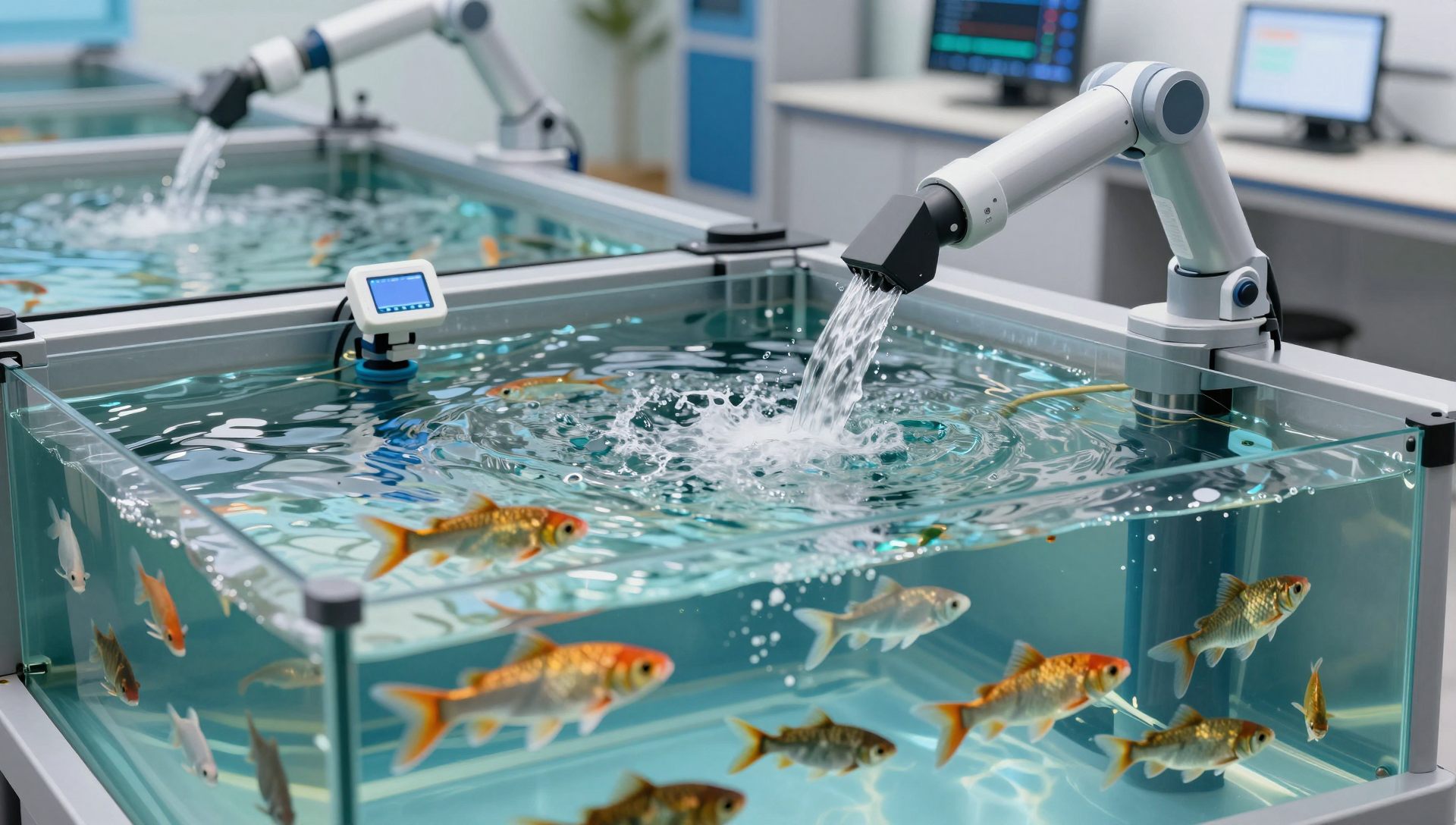
Automated water monitoring systems play a crucial role in biofloc fish farming, enhancing the capability of farmers to maintain optimal conditions for fish growth and health. These sophisticated systems are designed to continuously assess various water quality parameters, which are vital for the sustainability of aquaculture practices. Key metrics monitored generally include temperature, pH level, dissolved oxygen, ammonia concentration, and turbidity. By tracking these parameters, farmers can swiftly identify and rectify any adverse conditions that may arise in the aquaculture environment.
The technologies utilized in automated water monitoring systems often incorporate advanced sensors and IoT (Internet of Things) devices. These sensors are strategically placed within the fish farming tanks and are capable of providing precise measurements in real-time. The data collected is typically transmitted wirelessly to a centralized management system, allowing farmers to access critical information from remote locations via smartphones or computers. This integration of IoT technology not only streamlines monitoring processes but also ensures that data is collected consistently without human error.
One of the primary benefits of these automated systems is their ability to provide real-time data collection, which is essential for effective fish health management. By having instant access to changes in water quality, farmers can make well-informed decisions quickly, potentially averting fish stress and mortality caused by poor water conditions. Moreover, the automation significantly reduces the time and effort required for routine checks and balances, freeing up valuable resources for other essential farming activities. Ultimately, automated water monitoring represents a transformative approach in biofloc fish farming, facilitating a shift toward more sustainable and efficient aquaculture practices.
AI Predictions in Sustainable Fish Production
Artificial intelligence (AI) has emerged as a significant tool in the realm of sustainable fish production. By utilizing advanced predictive analytics, fish farmers can forecast various outcomes that directly affect their operations. These predictions are driven by machine learning algorithms that analyze large datasets derived from various sources, including water quality, fish growth rates, and environmental conditions.
One of the primary applications of AI in aquaculture involves optimizing feeding practices. Predictive analytics can determine the most effective feeding schedules and formulations based on the specific growth patterns and health status of fish stocks. This tailored approach ensures that feed is used efficiently, reducing waste and minimizing the environmental impact associated with overfeeding. Through machine learning, systems can learn from previous data, continually enhancing the precision of feeding predictions over time.
Moreover, AI plays a crucial role in breeding management. By analyzing genetic data and performance metrics, machine learning algorithms can identify optimal breeding pairs. This strategic approach accelerates the development of healthier and more resilient fish populations, ultimately contributing to more sustainable practices in aquaculture. Farmers can then make informed decisions that support genetic diversity while simultaneously maintaining production levels.
The harvesting process also benefits from AI predictions. Using real-time data, fish farmers can assess the best times to harvest based on fish weight, health, and water conditions. This reduces stress on the fish and maximizes yield, ensuring that production remains sustainable. By leveraging the capabilities of AI, aquaculture practitioners are better equipped to make timely decisions that align with sustainability goals while achieving economic viability.
Benefits of Smart Fish Farming Systems
The integration of smart technologies, particularly the Internet of Things (IoT) and artificial intelligence (AI), into fish farming offers a multitude of benefits that are critical for sustainable aquaculture. One of the primary advantages is the significant increase in yield. Smart fish farming systems utilize real-time data monitoring to assess environmental conditions, such as water temperature, pH levels, and oxygen concentration. This continuous monitoring allows farmers to make informed decisions, leading to optimal growth conditions for fish, thereby maximizing production per unit area.
Another notable benefit involves reduced feed costs. In traditional aquaculture, feeding practices often result in overfeeding, which not only wastes resources but also harms water quality. Smart systems leverage machine learning algorithms to predict feeding requirements based on fish behavior and growth projections, ensuring that only the necessary amount of feed is dispensed. This not only conserves feed but also enhances the overall cost-effectiveness of the farming operation.
Moreover, smart fish farming enhances fish health through advanced health monitoring systems. By employing sensors and cameras, these systems can detect early signs of disease or stress in fish populations, allowing for timely interventions. This proactive approach reduces mortality rates and leads to healthier fish, further contributing to increased yields.
Lastly, the environmental impacts of smart fish farming systems are also noteworthy. By optimizing resource use and minimizing waste, these technologies contribute to a reduction in pollution and other negative environmental effects associated with traditional fish farming methods. This sustainable approach promotes a balanced ecosystem, addressing some of the critical challenges faced by the aquaculture sector today.
Challenges in Implementing Biofloc Systems
The adoption of biofloc systems in aquaculture, while promising, is not without its challenges. These obstacles can generally be categorized into technical, financial, and educational barriers that must be addressed to ensure successful implementation.
From a technical perspective, one of the primary challenges in establishing biofloc systems is the need for precise management of water quality and nutrient levels. The systems rely heavily on a delicate balance of carbon sources and microbial activity to form flocs that provide food for aquatic species. Unforeseen fluctuations in environmental conditions can lead to system imbalances, resulting in decreased fish health and growth. To mitigate these issues, aquaculture practitioners must possess a solid understanding of the biological processes involved in the biofloc ecosystem.
Financially, the initial investment required for biofloc systems can be daunting for many small-scale fish farmers. Infrastructure costs, such as tanks and aeration systems, along with operational expenses like feed and monitoring equipment, may deter potential investors. To overcome this barrier, it may be necessary to establish partnerships with governmental agencies and private enterprises that can provide financial assistance and incentives aimed at promoting sustainable aquaculture practices.
Lastly, educational barriers pose significant challenges, as many fish farmers lack the necessary training to efficiently implement and manage biofloc systems. A comprehensive educational framework, incorporating hands-on workshops, online resources, and support from industry experts, is crucial. By enhancing knowledge and skills, fish farmers can better navigate the complexities of biofloc technology and ultimately improve their production outcomes.
Case Studies of Successful Biofloc Implementation
In recent years, several regions have successfully integrated biofloc technology with the Internet of Things (IoT) and artificial intelligence (AI) to enhance sustainable aquaculture practices. These case studies illustrate the effectiveness of these modern approaches in promoting efficient fish farming while addressing environmental concerns.
One notable example can be found in India, where a series of shrimp farms have adopted biofloc systems combined with IoT sensors. These sensors monitor water quality parameters such as temperature, dissolved oxygen, and ammonia levels in real-time, allowing for timely adjustments to optimize the aquatic environment. Through this integration, farms have reported a significant increase in shrimp growth rates—up to 30% higher than traditional farming methods. Furthermore, the automated data collection enabled farmers to make informed decisions swiftly, reducing the need for chemical interventions and promoting a healthier ecosystem.
Similarly, in Brazil, tilapia farmers have implemented a biofloc approach that utilizes AI algorithms to analyze data collected from underwater sensors. These algorithms predict optimal feeding times and quantities based on real-time fish behavior and environmental conditions. The outcome has been a reduction in feed costs by 20% and an impressive increase in fish survival rates. Farmers have expressed satisfaction not only with the yield improvements but also with the substantial reduction in labor required due to automation.
In both of these cases, key lessons emerged, emphasizing the importance of proper training for farmers in using IoT and AI technologies effectively. Additionally, these case studies revealed that community support and knowledge sharing play critical roles in successful implementation. Overall, these examples underline the significant potential of biofloc systems when augmented with digital technologies, paving the way for a more sustainable and productive aquaculture industry.
The Future of Aquaculture with Smart Technologies
The aquaculture industry is on the brink of a transformative era characterized by the integration of smart technologies such as the Internet of Things (IoT) and artificial intelligence (AI). These innovations promise not only to enhance operational efficiency but also to support sustainable practices that are critical in today’s environmental landscape. The future of fish farming is being shaped by the increasing demand for sustainable seafood, alongside the challenges posed by dwindling natural fish stocks.
Emerging trends suggest a paradigm shift in aquaculture practices, integrating automation with real-time data monitoring. Smart technologies enable farmers to track water quality parameters, fish health, and feeding patterns more effectively. IoT devices can provide continuous monitoring of environmental conditions, such as temperature, pH levels, and oxygen content, allowing for adjustments that promote optimal fish growth. This level of monitoring minimizes water pollution and enhances the overall sustainability of fish farming operations.
Moreover, the utilization of AI algorithms can lead to predictive analytics in aquaculture. These algorithms can analyze historical data to forecast growth rates, disease outbreaks, and optimal feeding times. This approach not only boosts productivity but also reduces resource wastage, optimizing feed utilization and minimizing environmental impacts. As a result, fish farmers can achieve greater yields while adhering to sustainable practices.
Innovations such as biofloc technology, which utilizes beneficial bacteria to convert waste into feed, exemplify how advancements in aquaculture can lead to sustainable solutions. Coupled with smart farming technologies, biofloc systems enhance resource efficiency and sustainability. Therefore, the future of aquaculture will likely see a significant shift towards smart, data-driven practices that prioritize environmental health while meeting the growing global demand for seafood.
Conclusion: Embracing Sustainable Aquaculture
As we conclude our exploration of biofloc smart fish farming systems, it becomes evident that the future of aquaculture lies in embracing innovative technologies such as IoT and AI. These advancements are not only transforming how we approach fish farming but also addressing the urgent need for sustainable practices in an industry that faces increasing scrutiny regarding environmental impacts. The biofloc technology, with its ability to create a self-sustaining ecosystem, exemplifies a shift towards more efficient and eco-friendly fish production methods.
The integration of smart systems through IoT facilitates real-time monitoring and management of aquaculture operations, leading to optimized resource use and minimization of waste. By continuously analyzing water quality, fish health, and feeding patterns, farmers are empowered to make informed decisions that enhance productivity and sustainability. Furthermore, AI algorithms can predict trends and assist in managing day-to-day operations, thereby contributing to the resilience of aquaculture systems against external pressures such as climate change and market fluctuations.
Incorporating biofloc technology and smart systems constitutes a significant stride toward achieving sustainability in fish farming. The reduction of feed costs, lower water consumption, and diminished reliance on chemicals are compelling advantages that highlight the practicality of these methods. It is imperative that stakeholders including farmers, investors, and policymakers recognize the potential of these innovations and actively participate in their adoption.
Ultimately, the success of sustainable aquaculture depends largely on collective efforts to implement these transformative technologies. The time has come to embrace biofloc systems and smart aquaculture practices, fostering a future that prioritizes both economic viability and environmental stewardship. Together, we can make strides toward a more sustainable, responsible, and innovative fish farming industry.