





Introduction to Transportation Technology Innovations
The rapidly evolving field of transportation technology has become a focal point for innovation, driven by the pressing need for efficiency, sustainability, and connectivity. Over the past few years, advancements have emerged that are transforming traditional practices within the transport sector, ranging from electric vehicles to smart infrastructure. Today, these innovations are not just enhancing the functionality and reach of transportation systems but are also addressing critical environmental challenges.
One of the most significant developments has been the momentum surrounding electric and autonomous vehicles. Major automotive manufacturers are investing heavily in electric vehicle (EV) technology, aiming to reduce carbon emissions and enhance energy efficiency. Furthermore, the integration of autonomous driving capabilities presents an opportunity to improve safety and optimize traffic flow, potentially reshaping urban landscapes and transportation networks.
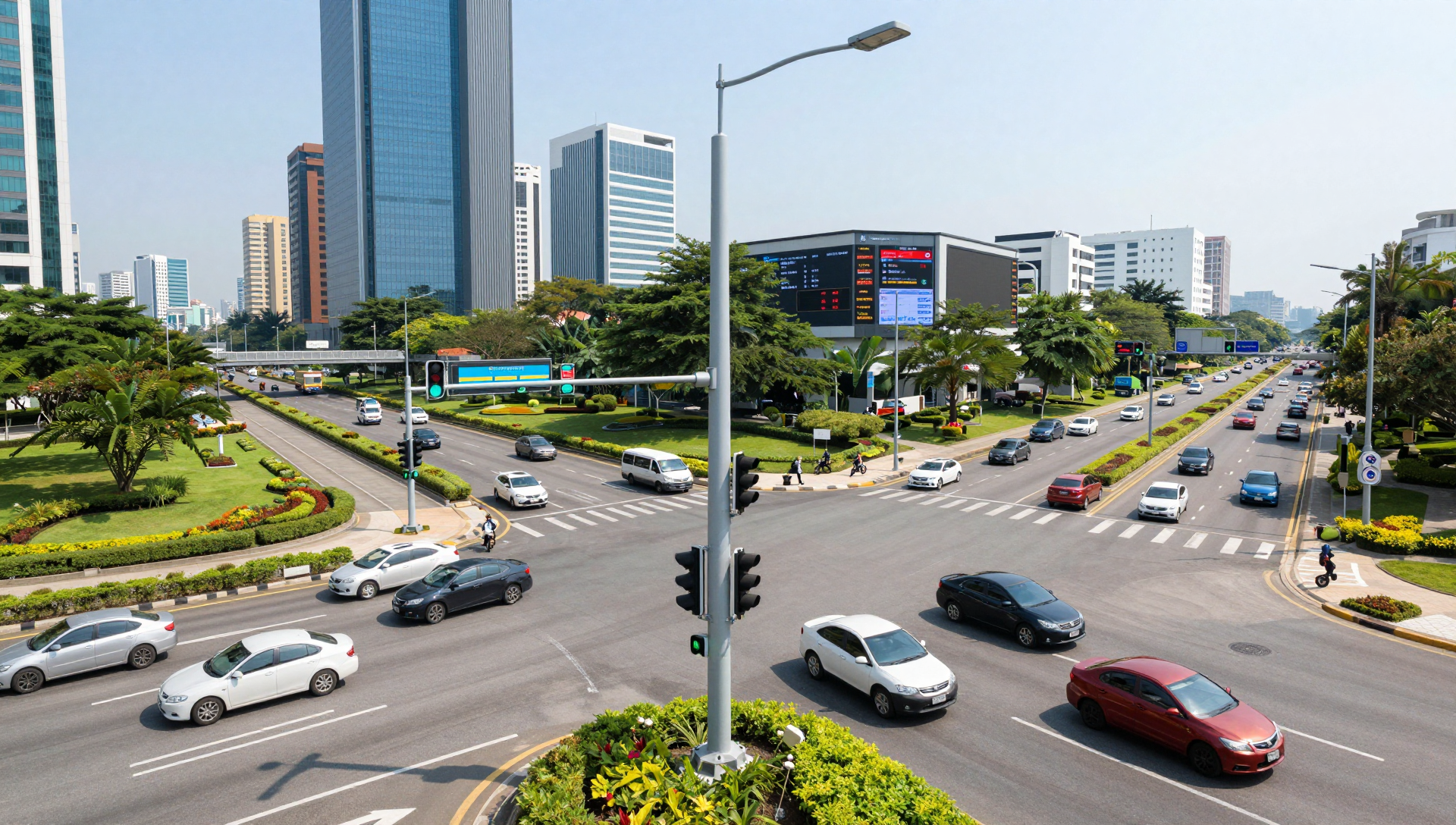
In addition to these advancements, smart transportation infrastructure is being developed to support the transition to a more connected world. This includes the implementation of IoT (Internet of Things) technologies, which facilitate better communication between vehicles and infrastructure. By collecting and analyzing real-time data, cities can better manage traffic congestion, reduce travel times, and enhance overall safety for commuters.
Moreover, the rise of alternative mobility solutions, such as ride-sharing and electric scooters, reflects a paradigm shift towards more flexible and user-centric transportation options. These alternatives not only promote the shared economy but also contribute to lower traffic congestion and reduced urban pollution. As cities adapt to accommodate these innovations, the importance of efficient transportation technology becomes even more pronounced.
In summary, the current landscape of transportation technology is marked by innovative advancements that promise to create a more efficient, sustainable, and interconnected future. The ongoing evolution of these technologies signals a significant transformation in how individuals and goods navigate the world, emphasizing the critical need for adaptation and investment in the evolving transport sector.
Smart Mobility Infrastructure Technology
The integration of smart mobility infrastructure technology in urban transportation systems represents a significant stride towards enhancing the efficiency and user experience of public transport. Cities worldwide are increasingly adopting advanced technological solutions, aiming to create a seamless and responsive transport ecosystem. One pivotal component of this evolution is the deployment of sensors across various transportation networks. These sensors gather real-time data on traffic patterns, passenger loads, and vehicle performance, enabling city planners to make informed decisions regarding transit operations.
Data analytics plays a crucial role in transforming raw data into actionable insights. By leveraging sophisticated algorithms and machine learning techniques, transportation planners can forecast travel demand, optimize routes, and reduce delays. This predictive analytics capability ensures that public transport systems not only meet current demands but are also prepared for future growth. Furthermore, efficiency is augmented through the implementation of real-time communication technologies. Commuters benefit from live updates about bus and train schedules, which reduces waiting times and enhances their overall experience.
A key feature of smart mobility infrastructure is its emphasis on user-centric design. Initiatives, such as mobile applications and user-friendly interfaces, empower commuters to plan their journeys more effectively. Features like digital ticketing and multi-modal transport options—integrating buses, trains, and rideshare services—promote ease of use and accessibility. Such advancements create an environment that not only caters to existing transportation demands but also encourages the adoption of public transport as a preferred choice over private vehicles.
As cities continue to prioritize sustainable growth, the fusion of smart mobility technologies will be imperative in shaping the future of urban transportation systems. Exploring these innovations presents opportunities for greater efficiency, enhanced commuter experiences, and, ultimately, a more sustainable urban environment.
AI-Based Transportation Facilitation
In recent years, artificial intelligence (AI) has emerged as a transformative force in the field of transportation facilitation. By harnessing advanced algorithms and machine learning, transportation systems are increasingly equipped to enhance efficiency and increase safety. One of the most significant applications of AI in this domain is predictive analytics. By analyzing vast amounts of data from various sources, including traffic patterns, weather forecasts, and historical travel behavior, AI can predict potential congestion points, enabling transportation agencies to take proactive measures to alleviate issues before they escalate.
Moreover, AI-enhanced traffic management systems are being developed to monitor and manage real-time traffic flow. These systems use data collected from sensors, cameras, and connected vehicles to optimize traffic signals and reduce waiting times at intersections. Such innovations can lead to smoother traffic flows, reduced fuel consumption, and lower emissions, contributing to a more sustainable environment.
Furthermore, AI-powered solutions are making significant strides in optimizing routes and schedules for both public and private transit services. Ride-sharing platforms, for instance, rely on complex algorithms that analyze current demand, traffic conditions, and user behavior to suggest the most efficient routes for drivers. This not only minimizes travel time but also enhances user satisfaction by providing timely and reliable services.
In addition to enhancing operational efficiency, AI can improve accessibility in transportation. Intelligent systems can offer tailored services for individuals with special needs, ensuring that transportation options are inclusive. As these technologies continue to evolve, the role of AI in transportation facilitation is likely to expand, heralding a future where travel is smarter, more efficient, and more user-friendly.
Intelligent Transport System Technology
In recent years, the development of Intelligent Transport Systems (ITS) has transformed the way transportation operations are managed and optimized. ITS leverages advanced technologies such as sensors, communication networks, and data analytics to enhance the efficiency and safety of transport networks. A key feature of ITS is the implementation of vehicle-to-infrastructure (V2I) communication, which facilitates real-time exchange of information between vehicles and surrounding infrastructure. This technology allows vehicles to receive critical data about traffic conditions, road hazards, and even weather updates, thereby improving overall driving experiences and reducing potential accidents.
Furthermore, Traffic flow management systems have made significant strides in harnessing real-time data to monitor and control traffic patterns. By utilizing sensors placed on roadways and traffic lights, these systems can analyze vehicle movements and adjust signal timings dynamically. This responsive strategy not only alleviates congestion during peak times but also promotes a smoother traffic flow, minimizing travel times for commuters.
Safety enhancements through real-time data monitoring represent another essential component of ITS. By employing advanced algorithms that process information from various sources, including cameras and radar, transportation agencies can identify incidents as they occur. Immediate response systems are activated to alert drivers and emergency services, significantly reducing the response time in critical situations. Additionally, predictive analytics within ITS enables authorities to anticipate and mitigate potential accidents by modifying traffic patterns based on historical data and current trends.
The integration of these technologies within the Intelligent Transport System framework presents an exciting evolution in transportation, promising improved safety, efficiency, and connectivity within urban environments. Continued investment in ITS technology will be pivotal for future advancements in transportation systems, ensuring they remain adaptable to ever-changing demands and challenges.
Next-Generation Transit Technologies
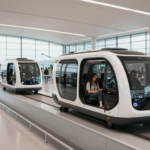
As urban populations continue to grow, the demand for efficient and sustainable transportation systems has become paramount. Next-generation transit technologies, including electric vehicles (EVs), autonomous vehicles (AVs), and hyperloop systems, are innovating the landscape of urban transport and addressing energy consumption challenges.
Electric vehicles represent a significant advancement in reducing greenhouse gas emissions and reliance on fossil fuels. Equipped with advanced battery technology, EVs offer lower operational costs and reduced air pollution compared to traditional internal combustion engine vehicles. Cities implementing widespread EV infrastructure, including charging stations, can enhance adoption rates among consumers, fostering cleaner urban environments.
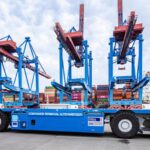
Autonomous vehicles are another cornerstone of next-generation transit. These fully self-driving systems leverage complex algorithms and sensors to navigate without human input. The potential for increased safety, reduced traffic congestion, and improved travel efficiency is profound. By minimizing human error, AVs can dramatically lower accident rates, while optimizing route selection can lead to less fuel consumption. Furthermore, the integration of autonomous taxis could revolutionize urban mobility, providing convenient and on-demand transportation services.
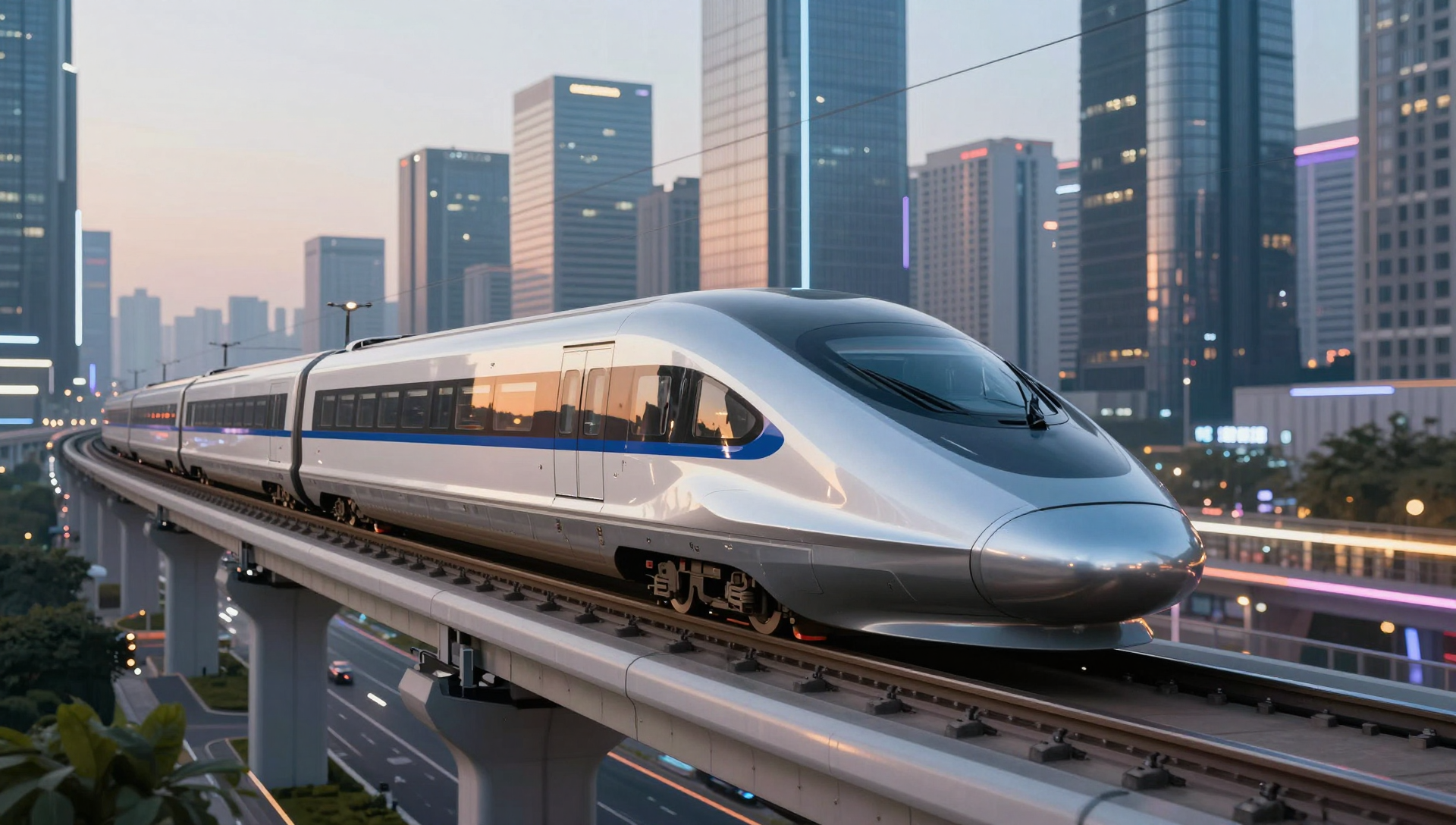
Hyperloop systems offer a vision of ultra-fast, long-distance travel that could transform regional transportation networks. Utilizing magnetically-levitated pods traveling through vacuum-sealed tubes, hyperloop technology promises speeds exceeding 700 miles per hour. This mode of transport could significantly shorten travel times between major urban centers, alleviating pressure on existing rail and road networks.
In summary, next-generation transit technologies are at the forefront of modern urban planning, poised to enhance the efficiency, sustainability, and overall user experience of transportation systems. The successful deployment and integration of EVs, AVs, and hyperloop technology could redefine how cities navigate the complexities of mobility in the 21st century.
Automated Transportation Facilitation Solutions
In recent years, technological advancements have significantly transformed various aspects of the transportation sector. Among the most notable innovations are automated transportation facilitation solutions, which are designed to enhance efficiency, streamline operations, and improve overall customer satisfaction. This evolution encompasses various systems, such as automated tolling solutions, self-service kiosks, and advanced booking platforms, each playing a crucial role in modernizing the transportation landscape.
Automated tolling systems represent a major advancement in revenue collection and traffic flow management. By eliminating the need for manual toll booths, these systems facilitate a smoother travel experience for users, reducing congestion and decreasing waiting times at toll gates. The incorporation of RFID technology allows vehicles to pass through toll points without stopping, ensuring a seamless journey while optimizing traffic conditions along busy routes.
Self-service kiosks further exemplify the benefits of automation in transportation facilitation. These kiosks allow customers to check in for flights, retrieve boarding passes, and even select their preferred seats without the need for direct interaction with airline staff. This not only expedites the check-in process but also reduces the burden on airline employees, enabling them to focus on delivering higher-quality service to passengers who require assistance.
Moreover, innovative booking platforms have transformed the way consumers make travel arrangements. Through these platforms, users can easily search for transportation options, compare fares, and make reservations in real time. The integration of online payment technologies simplifies fare transactions, ensuring safe and efficient payment processing. Furthermore, personalized features, such as recommendations and loyalty rewards, contribute to an enhanced user experience, fostering customer loyalty in a competitive marketplace.
In conclusion, the implementation of automated transportation facilitation solutions serves to improve service efficiency and elevate customer satisfaction levels. By harnessing technology in areas such as tolling, self-service, and online booking, the transportation industry is poised for continued innovation and growth.
Sustainable Smart Transport Innovations
The transportation sector is undergoing a significant transformation driven by the urgent need for sustainability and environmental preservation. Innovations in sustainable transport are increasingly reflecting a commitment to reducing carbon footprints and enhancing urban living. Central to these advancements is the integration of renewable energy sources, which is vital for reducing reliance on fossil fuels. Electric vehicles (EVs) powered by solar, wind, or hydroelectric energy represent a critical step towards achieving sustainable mobility. The growing infrastructure for EV charging stations signifies a robust commitment to supporting this shift.
Additionally, eco-friendly materials are becoming commonplace in vehicle manufacturing. Car manufacturers are exploring alternatives such as recycled plastics, biodegradable composites, and lightweight metals that diminish the energy consumption associated with manufacturing processes. This trend not only reduces environmental impact during production but also contributes to improved fuel efficiency during the vehicle’s operational life.
Shared mobility solutions are another innovative approach to achieving sustainable transport goals. Car-sharing and ride-hailing services reduce the number of vehicles on the road, effectively lowering congestion and emissions. Furthermore, the emergence of public transportation options like electric buses and trains emphasizes the importance of accessible, low-emission travel for urban populations. These shared services often utilize smart technology to optimize routes and manage fleets efficiently, enhancing the overall user experience while minimizing environmental harm.
Ultimately, the convergence of renewable energy, eco-friendly materials, and shared mobility options is reshaping the landscape of transportation. By prioritizing innovations that align with ecological responsibilities, the transportation industry is taking indispensable steps towards a greener, more sustainable future.
Digital Transformation in Transportation Systems
The transportation sector is undergoing a significant digital transformation, reshaping how we interact with transport services and transit systems. Central to this shift is the development of integrated platforms that streamline operations and enhance the user experience. These platforms facilitate real-time communication between users and service providers, ensuring that information about routes, schedules, and availability is readily accessible.
Additionally, the introduction of seamless payment systems represents a major leap forward in convenience for users. By adopting uniform payment solutions such as mobile wallets and contactless transactions, passengers can now navigate multiple modes of transport—be it buses, trains, or rideshares—without the need for cash or separate tickets. This advancement not only simplifies the payment process but also contributes to increased ridership and customer satisfaction.
The digitization of transport services is another crucial component of this transformation. Through the advent of apps and online platforms, passengers can access a wide array of services from booking tickets to securing real-time updates regarding their journey. Such innovations foster a more user-centric approach, prioritizing the needs of commuters and providing tailored solutions. For instance, the use of big data analytics enables transport agencies to understand user behavior, optimize routes, and improve service reliability.
Moreover, the deployment of smart infrastructure—like connected traffic signals and vehicle-to-infrastructure communication—greatly enhances efficiency and safety. This interconnectedness ultimately paves the way for integrating emerging technologies, such as autonomous vehicles and smart public transport solutions, creating a comprehensive ecosystem. By leveraging these digital innovations, the transportation industry is poised to improve not only operational efficiency but also the overall passenger experience, thus defining the future of mobility.
Conclusion: The Future of Transportation Technology
The landscape of transportation is undergoing a remarkable transformation driven by cutting-edge technology. From autonomous vehicles to electric propulsion and smart infrastructure, these innovations promise to reshape how we navigate our world. As we look ahead, it is evident that these advancements are not standalone; rather, they interconnect to create a cohesive vision for future transit systems.
For policymakers, the implications of these technologies are profound. They must engage in proactive planning and regulation to ensure that innovations meet safety standards while promoting sustainability. This includes adapting legislation to facilitate the widespread adoption of electric vehicles and supporting the development of charging infrastructure. By creating a conducive environment for innovation, policymakers can foster a transportation ecosystem that aligns with the demands of a growing population and the urgent need for environmental consciousness.
Transport operators likewise play a crucial role in this continual evolution. By incorporating advanced technologies, operators can enhance the efficiency, safety, and reliability of their services. The integration of data analytics, real-time monitoring, and predictive maintenance can lead to significant improvements in operational performance, ultimately benefiting passengers. These entities must remain agile and willing to invest in research and development to stay competitive in an ever-evolving landscape.
Passengers stand to gain immensely from these transformations as well. Enhanced safety measures, reduced travel times, and increased convenience would likely become hallmarks of future transportation experiences. Furthermore, the rise of shared mobility solutions and micro-mobility options offers individuals more choices on how they travel. With greater emphasis on sustainability and user experience, the public’s support for innovative transport technologies can drive further advancements in this sector.
As society progresses, embracing innovation within transportation technology will become increasingly crucial. This collaborative effort among stakeholders can ignite a future where transport systems are not only efficient and accessible but also impactful in addressing some of the greater challenges of our time.