




Understanding Airport Passenger Transit Systems
Airport passenger transit systems play a crucial role in the movement of travelers from the initial stages of their journey to the moment they board their aircraft. These systems encompass a variety of components, designed to ensure a seamless flow of passengers through check-in, security screening, customs, and ultimately to the boarding gates. Each element within the transit system contributes to the operational efficiency of the airport, directly impacting the overall passenger experience.
The first point of interaction for any traveler is typically the check-in area. This phase involves the verification of travel documents, baggage check, and the issuance of boarding passes. An efficient check-in process minimizes wait times and encourages passenger satisfaction from the outset. Advances in technology, such as self-service kiosks and mobile check-in options, have significantly improved this stage, enhancing throughput and facilitating smoother transitions into subsequent phases of transit.
Once checked in, passengers proceed to security screening, where the efficiency of processes becomes paramount. A well-structured security process ensures that passengers are screened effectively without compromising safety. Automated systems like body scanners and improved baggage handling can expedite this phase, helping to alleviate congestion during peak travel times. The importance of efficient security procedures is essential in maintaining operational effectiveness, as delays can cascade throughout the entire transportation system.
After security, passengers navigate through various terminal facilities which may include lounges, restaurants, and shops before reaching their boarding gates. The design of terminal spaces greatly affects passenger flow, impacting how easily travelers can move through the airport. Furthermore, real-time flight information displays play a vital role in keeping passengers informed of any changes or updates relevant to their travel plans.
In summary, understanding the various components of airport passenger transit systems is crucial to recognize their collective impact on operational efficiency and passenger experience. An effective transit system not only fosters a positive travel environment but also ensures that airports can manage increasing passenger volumes with greater effectiveness.
Challenges in Airport Passenger Flow Efficiency
Airports across the globe encounter numerous challenges regarding passenger flow efficiency, which affect both operational performance and passenger satisfaction. One of the most pressing issues is the occurrence of bottlenecks during security checks. As the demand for air travel continues to grow, the volume of passengers passing through security checkpoints can lead to long waiting times. These delays not only frustrate passengers but also disrupt the scheduled flow of operations, impacting the overall airport efficiency.
In addition to security-related bottlenecks, delays during the boarding processes significantly impact passenger flow. Various factors including late arriving flights, inefficient allocation of boarding gates, and inadequate communication between ground staff and passengers can exacerbate the situation. The boarding process is critical to maintaining time schedules; any inefficiencies here can ripple through the subsequent stages of airport operations, leading to congested terminals and heightened stress among travelers.
Furthermore, passenger flow is also hindered by a lack of real-time information. Many airports struggle to provide timely updates regarding flight statuses, gate changes, and security wait times, forcing passengers to navigate their journey through conjecture. This uncertainty often results in confusion and increased congestion, as passengers scramble to gather critical information. The cumulative effect of these challenges contributes not only to delays but also to an overall decline in passenger experience, undermining their perception of airport efficiency.
Ultimately, addressing these challenges requires a commitment from airport authorities and stakeholders to invest in advanced technology, process optimization, and effective communication strategies. Enhancing airport passenger transit systems thus becomes vital to improving efficiency and ensuring a seamless travel experience for all passengers.
Strategies for Increasing Airport Transit Capacity
As airports face an increasing flow of passengers, implementing effective strategies to enhance transit capacity becomes essential. One of the foremost strategies is the adoption of advanced technologies. Incorporating automated check-in kiosks and biometric security systems not only accelerates the boarding process but also reduces congestion at critical junctures within the airport. These innovations allow for a more streamlined experience, facilitating quicker transitions from check-in to boarding gates.
Another vital aspect lies in the optimization of terminal layouts. By redesigning terminal spaces to create more efficient passenger flow, airports can better accommodate the rising number of travelers. For instance, moving from linear configurations to more circular or hub-like designs can minimize walking distances and improve accessibility to various amenities. Moreover, enhancing signage and wayfinding systems can guide passengers more effectively, reducing time spent navigating the terminal.
Resource management also plays a crucial role in augmenting transit capacity. Airports can optimize staff allocation based on peak hours and passenger traffic data. This strategic staffing ensures that security lines, customer service desks, and boarding areas are adequately manned during busy periods while maintaining cost efficiency. Furthermore, employing data analytics to predict passenger patterns can foster preemptive measures to handle expected surges.
In addition to these strategies, fostering collaboration among stakeholders, such as airlines, security agencies, and ground service providers, can lead to synchronized operations. Enhanced communication facilitates real-time adjustments to service levels, further supporting higher transit capacity. Overall, through the integration of technology, terminal optimization, and strategic resource management, airports can significantly improve their capacity to manage growing passenger volumes while ensuring a seamless travel experience.
Case Study: Airport Passenger Movement Optimization
In recent years, airports have increasingly recognized the importance of optimizing passenger movement to enhance operational efficiency and improve the overall travel experience. A notable case study is found at Changi Airport in Singapore, where a series of strategic measures were implemented to address ongoing challenges associated with passenger transit.
Changi Airport faced significant passenger congestion during peak hours, which led to longer wait times and a frustrating experience for travelers. To tackle this issue, the airport management established a dedicated task force that focused on analyzing passenger flow patterns. By employing advanced data analytics and simulations, they identified critical bottlenecks in the security screening and boarding processes.
One of the primary initiatives introduced was the implementation of an automated baggage handling system, which drastically reduced the time taken for luggage processing. This innovation not only improved efficiency but also minimized the likelihood of lost baggage, enhancing the passenger experience. Additionally, they introduced a real-time information system that provided live updates on boarding gates and wait times, allowing passengers to make informed decisions regarding their transit.
Another significant action taken was the redesign of terminal layouts to facilitate smoother movement. This included widening walkways, optimizing the placement of security checkpoints, and establishing dedicated family lanes for travelers with children. These modifications aimed to reduce crowding and streamline passenger flow, addressing the previously identified congestion points.
The outcomes of these initiatives were substantial, with a reported 30% reduction in average wait times during peak travel periods. Moreover, passenger satisfaction scores improved significantly as a result of expedited processes and enhanced communication. The successful optimization of passenger movement at Changi Airport serves as a valuable reference for other airports looking to improve their operational efficiency and passenger experience.
Benefits of Improved Airport Transit Systems
Efficient airport transit systems are crucial in modern aviation, offering numerous benefits that enhance both passenger experience and airport operations. One primary advantage is the reduction of congestion within airports. Improved systems allow for seamless transitions between security checks, boarding gates, and baggage claim areas, minimizing wait times and preventing overcrowding. This streamlined movement not only improves passenger satisfaction but also optimizes the flow of traffic, allowing airports to handle an increasing number of travelers more effectively.
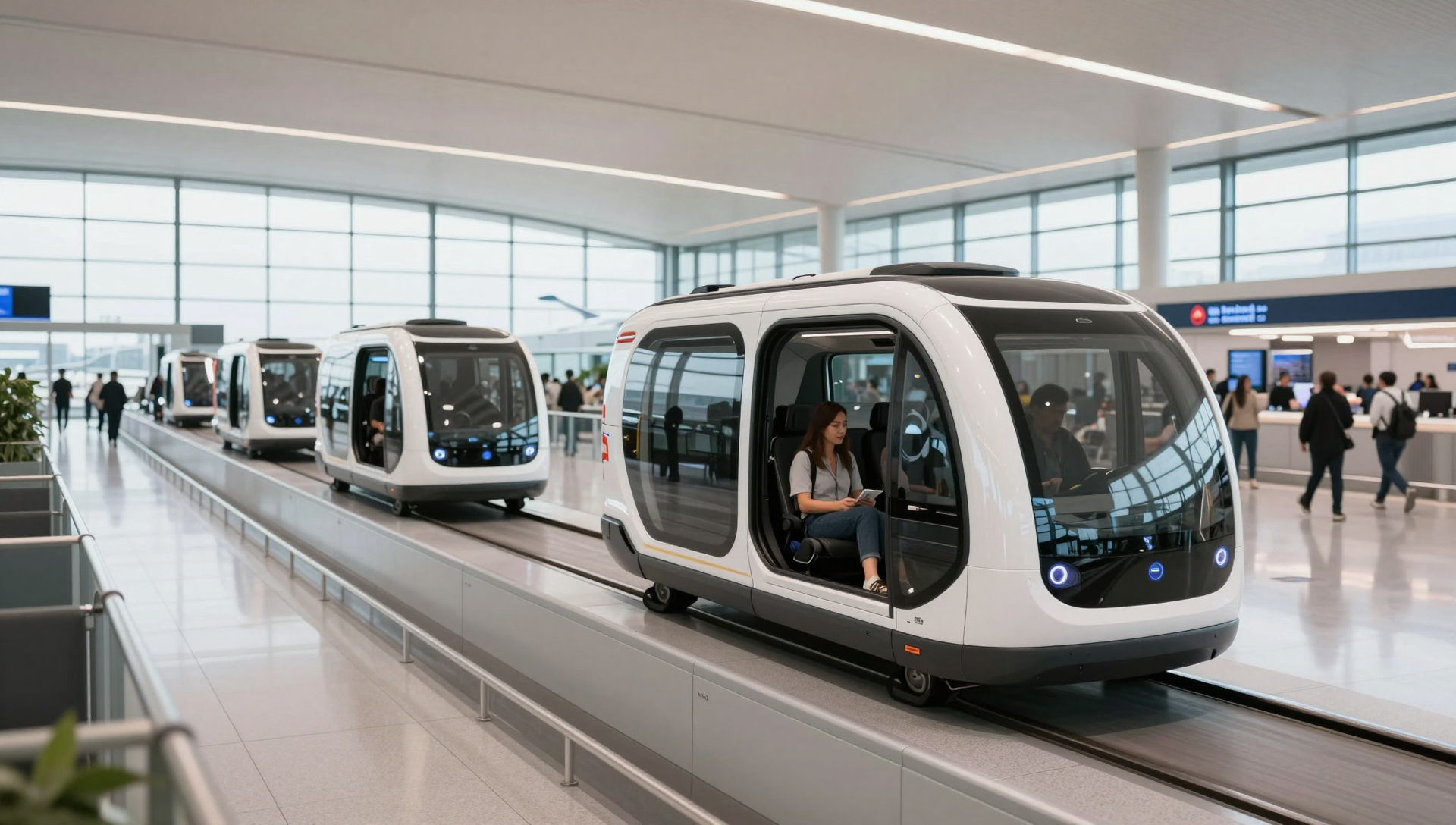
Another significant benefit is the enhancement of the passenger experience. With advanced transit systems in place—such as automated shuttle services, efficient wayfinding solutions, and real-time information displays—passengers are provided with a smoother travel process. These improvements contribute to a more pleasant atmosphere, fostering a positive impression of the airport and the overall travel experience.
Moreover, operational efficiency is markedly increased through better airport transit systems. With optimized scheduling and capacity management, airports can ensure that resources are allocated most effectively. This leads to reduced delays in boarding and departures, allowing airlines to adhere to their timetables and ultimately increase on-time performance. Enhanced transit systems can also lead to better coordination among various stakeholders, including airlines, ground services, and airport management, ensuring that the entire operation runs more smoothly.
Financial gains represent yet another substantial benefit of improved airport transit systems. As passenger experiences and operational efficiencies improve, airports are likely to see an increase in overall passenger throughput. This not only enhances revenue from ticket sales but also generates additional income from concessions and retail operations—further contributing to the airport’s financial health. Ultimately, enhanced airport transit systems deliver a comprehensive range of benefits that cater to the needs of passengers, airlines, and airport authorities alike.
Smart Airport Passenger Mobility Solutions
The evolution of technology has significantly influenced airport passenger mobility solutions. Airports around the globe are increasingly adopting smart technology to streamline processes, enhance passenger experience, and reduce wait times. Central to this transformation are automated check-in kiosks, which enable travelers to check in for flights without the need for face-to-face interaction with airport staff. This self-service solution not only expedites the check-in process but also allows passengers to take control of their travel schedules, thus alleviating congestion at traditional check-in counters.
In addition to self-service kiosks, mobile applications have emerged as a critical tool for navigating through the airport. These applications often provide real-time flight updates, direct navigation to gates, and even alerts for security protocols. By harnessing the power of mobile technology, airports can offer a seamless experience, allowing passengers to focus more on their journey than on logistical issues. Such applications also enhance communication between travelers and airport services, ensuring that individuals are always informed.
Another innovative solution contributing to improved passenger flow is advanced baggage handling systems. These systems utilize automated conveyors and intelligent sorting technologies to streamline the processing of luggage. Reducing the inefficiencies associated with manual baggage handling not only minimizes delays but also decreases the likelihood of lost luggage, significantly impacting passenger satisfaction. The integration of smart technologies in baggage solutions leads to a more efficient airport environment.
The incorporation of these smart technologies in airports is revolutionizing passenger movement. Enhanced self-service options, comprehensive mobile applications, and advanced baggage systems illustrate how airports are proactively addressing the challenges posed by increasing passenger numbers. With ongoing developments in smart airport solutions, the future of airport transit systems appears promising, fostering improved efficiency for both travelers and airport staff alike.
Automation: Reducing Airport Congestion
As international travel continues to grow, airports face significant challenges in managing passenger flow and maintaining operational efficiency. One of the most effective strategies to alleviate congestion is the integration of automation technologies. By leveraging artificial intelligence (AI) and other advanced technologies, airports can enhance their operational systems, ultimately reducing wait times and improving the passenger experience.
AI-powered queue management systems represent a pivotal innovation in this space. These systems analyze real-time data, predicting passenger volumes and adjusting resource allocation dynamically. For instance, by deploying predictive analytics, airports can foresee peak hours and allocate personnel to specific checkpoints, such as check-in counters and boarding gates, which ensures a smoother transition for passengers through these areas.
Another significant advancement is the implementation of automated security screening processes. Traditional screening involves several manual steps that can create bottlenecks, particularly during high traffic periods. Automated systems, equipped with advanced imaging technology and machine learning algorithms, allow for faster screening without compromising security. This not only increases passenger throughput but also enhances security efficiency as these systems can operate longer without fatigue.
Moreover, automated check-in kiosks have become commonplace, allowing passengers to complete their check-in processes swiftly and at their convenience. This self-service capability diminishes the load on human staff, ensuring that they can focus more on assisting travelers with complex needs. Furthermore, contactless technologies, such as mobile boarding passes and facial recognition systems, enable a seamless journey from check-in to boarding, significantly reducing the potential for congestion at various airport phases.
By embracing these automation technologies, airports can better manage increasing passenger volumes, enhance the overall travel experience, and significantly reduce congestion, marking a critical evolution in airport transit systems.
Improvement Strategies for Airport Terminal Connectivity
Enhancing airport terminal connectivity is crucial for improving passenger experience and optimizing the overall efficiency of airport operations. One effective strategy involves upgrading signage throughout the terminal. Clear, multilingual signage plays a vital role in helping passengers navigate the airport effectively. By implementing intuitive wayfinding systems, travelers can easily locate gate information, baggage claim areas, and amenities without confusion.
In addition to improved signage, the integration of technology is a powerful tool for enhancing connectivity. Real-time updates through mobile applications and digital displays can inform passengers about flight status changes, gate assignments, and boarding procedures. This immediate access to information minimizes anxiety and helps maintain smooth passenger flow, especially during peak travel times.
Another method for facilitating easier navigation within airport terminals is optimizing passenger flow design. This involves analyzing areas prone to congestion and restructuring layout elements accordingly. By designing wider corridors, planning adequate waiting areas, and strategically placing amenities like lounges and shops, airports can promote a seamless transit experience. Additionally, implementing automated systems such as escalators or moving walkways can significantly reduce travel time between terminals and gates, further enhancing efficiency.
Furthermore, including features such as seating areas and charging stations near wayfinding information can encourage more efficient use of the terminal space. Dedicated family zones and business lounges are also essential considerations that cater to diverse passenger needs. In this context, inclusive design principles should guide improvements to ensure all passengers, regardless of their mobility requirements, can benefit from an efficient transit experience. Ultimately, these strategic enhancements in airport terminal connectivity not only improve the efficiency of operations but also contribute to a positive travel experience for all passengers.
Enhancing Passenger Experience in Airports
The design and operation of transit systems in airports play a significant role in shaping the overall travel experience for passengers. As air travel becomes increasingly globalized, airports are recognizing the necessity to prioritize passenger experience by implementing various initiatives aimed at enhancing comfort and satisfaction.
One of the foremost steps airports can take is to streamline the transit process. This can be achieved through the integration of advanced technology, such as biometric identification systems, which can significantly reduce check-in and security screening times. With quicker access to necessary services, passengers can enjoy a more relaxed journey from the moment they step into the airport.
Another key initiative is the enhancement of waiting areas and lounges. Airports can improve passenger experience by providing comfortable seating, charging stations for electronic devices, and free Wi-Fi. The addition of relaxation zones featuring greenery or art installations can transform often stressful waiting times into more enjoyable periods, contributing to an overall sense of well-being.
Additionally, airports should consider the implementation of personalized services. By utilizing data analytics, airports can offer tailored recommendations for dining, shopping, and entertainment options based on individual passenger preferences. This focus on personalization not only improves the journey for travelers but also fosters a sense of connection to the airport.
Moreover, clear signage and information systems play an essential role in aiding passenger navigation. Ensuring that information regarding gate changes, boarding times, and other essential updates are easily accessible and communicated effectively can significantly alleviate passenger anxiety.
In conclusion, enhancing the passenger experience in airports requires a multifaceted approach, encompassing technology, comfort, personalization, and clear communication. By prioritizing these aspects, airports can facilitate a seamless journey that meets the evolving needs of travelers today.