



Introduction to Automated People Mover Systems
Automated People Mover (APM) systems represent a transformative approach to urban transit. They are defined as transportation systems that operate automatically, without the need for onboard human drivers. Typically utilized in settings that demand efficient, frequent travel, APMs are adept at bridging gaps between public transport hubs, airports, and city centers, making them a critical component of modern public transportation systems.
The mechanics of APMs are rooted in advanced technologies that facilitate smooth and efficient movement. These systems rely on a dedicated guideway, often elevated, which ensures that vehicles can operate independently or in tandem without interruption from other traffic. The vehicles, which are usually small, lightweight, and energy-efficient, can carry passengers quickly and seamlessly to their intended destinations. Many APM systems utilize smart algorithms for scheduling and maintenance, thereby enhancing reliability and user experience.
One of the most significant advantages of automated people mover systems is their potential to reduce congestion in urban areas. By minimizing the need for personal vehicles in high-density locations, APMs contribute to lower pollution levels and enhanced accessibility. Additionally, as urban centers continue to expand, the demand for efficient transit solutions increases, highlighting the importance of APMs in addressing future transportation needs.
With the growing trend towards automation in various sectors, APM systems stand out as a viable solution for modern urban challenges. Their ability to efficiently manage passenger flow while offering a convenient and safe mode of transport underscores their relevance in discussions about the future of travel. As urban planners look towards building sustainable cities, integrating automated transit systems like APMs will play a pivotal role in shaping the landscape of urban mobility.
The Role of APM in Airports
Automated people mover (APM) systems have become an integral component in modern airport infrastructure, facilitating smoother transit experiences for passengers while simultaneously enhancing operational efficiency. Designed to transport individuals between various terminals, parking areas, and other airport facilities, APMs contribute to reducing the amount of time passengers spend navigating through the airport environment.
One of the most significant advantages of APM systems is their capability to improve passenger flow. By providing a reliable mode of transport that operates continuously, airports can minimize congestion, particularly during peak travel periods. This improvement helps mitigate the stress often associated with air travel, allowing passengers to transit between sections of the airport effortlessly. The reliability and regularity of APM services provide reassurance to travelers, as they can better plan their itineraries without the concern of long wait times.
Furthermore, the implementation of APMs can lead to substantial decreases in operational costs for airport authorities. Conventional shuttle services, which require drivers and adherence to set schedules, can be costly and inefficient. Conversely, APM systems generally operate autonomously, reducing labor costs and enhancing the precision of service delivery. By streamlining operations, airports can allocate resources to other areas that require attention, thus optimizing overall airport management.
In addition to improving the movement of passengers, APM systems can strengthen safety protocols and improve accessibility. With features designed to accommodate individuals with disabilities, APMs ensure that airports cater to the diverse needs of their passengers. Moreover, the technology behind these systems usually includes safety measures that enhance the overall travel experience, solidifying APMs as a vital aspect of contemporary airport operations.
Driverless Transit Systems: Benefits and Challenges
Driverless transit systems, often referred to as automated people mover systems, are gaining traction in urban environments as a promising solution for modern transportation challenges. One of the primary advantages of these systems is enhanced safety. By leveraging advanced sensors and artificial intelligence, driverless transit can significantly reduce the risk of human error, which is a leading cause of accidents in traditional transportation. The implementation of strict operational protocols and continuous monitoring further contributes to safer travel for passengers.
Another notable benefit associated with automated people mover systems is the reduction of labor costs. Traditional transit systems require a substantial workforce for driver roles and support staff, whereas driverless systems can operate with minimal personnel oversight. This allows transit authorities to allocate resources more effectively, enhancing overall efficiency and keeping operational costs down.
Energy efficiency is yet another advantage of implementing driverless technologies in transit. Automated systems can optimize routes and schedules in real-time, ensuring only the necessary resources are used. Increased operational efficiency not only results in lower energy consumption but also contributes to a reduction in greenhouse gas emissions, aligning with broader sustainability objectives.
Despite these benefits, several challenges hinder the widespread adoption of automated people mover systems. One significant hurdle is technology integration. Existing infrastructure must be upgraded to interface seamlessly with new driverless systems, which can be both costly and time-consuming. Additionally, maintaining reliability and security in the face of potential cybersecurity threats remains a pressing concern.
Public acceptance also poses a challenge, as many individuals may be hesitant to trust driverless systems fully. Educating the public on the safety and efficiency of these transit options is crucial in fostering a more welcoming attitude towards automated transit.
Smart People Mover Technology Explained
Automated People Mover (APM) systems are revolutionizing urban transportation, integrating cutting-edge technologies to enhance the travel experience. At the heart of these systems lies advanced sensor technology that enables vehicles to monitor their environment in real-time. These sensors detect passenger flow, vehicle proximity, and platform conditions, ensuring optimal safety and efficiency. By capturing vast amounts of data, sensor technology plays a pivotal role in streamlining operations across various transit environments.
Complementing the sensor infrastructure, artificial intelligence (AI) algorithms are employed to predict passenger demand and manage system performance dynamically. AI analyzes historical and real-time data to optimize routes and schedules based on current conditions. For instance, if sensors indicate an increase in passenger numbers at a certain station, the AI can automatically adjust the frequency of service to accommodate the surge, thereby reducing wait times and improving overall travel reliability. This level of responsiveness is vital for maintaining seamless transportation in densely populated urban areas.
Moreover, real-time data analytics are crucial for enhancing the passenger experience. Information regarding train schedules, delays, and service changes is instantaneously processed and communicated through various channels, such as mobile apps and digital display boards at stations. By keeping travelers informed, these systems foster trust and satisfaction, making automated people movers a more appealing choice for commuters.
Ultimately, smart technology in APM systems significantly contributes to seamless travel experiences. Through the integration of sensors, AI algorithms, and real-time data analytics, these systems not only improve efficiency and service reliability but also adapt to the evolving demands of urban passenger transportation.
Urban Automated Transport Systems: A Solution for Congestion
Urban areas across the globe are facing an ever-increasing challenge of congestion, particularly in densely populated cities. As populations grow and urban migration accelerates, traditional transport systems often struggle to accommodate the rising demand for efficient travel options. In response, urban automated transport systems, specifically Automated People Movers (APMs), are emerging as a promising solution to this pressing issue.
Automated People Movers are designed to efficiently transport individuals between key points in urban environments, thereby reducing the reliance on personal vehicles. By facilitating seamless movement across various areas—such as airports, malls, and public transit hubs—APMs play a crucial role in mitigating traffic congestion. Their high frequency and capacity can lead to significant reductions in the number of cars on the road, promoting a more efficient urban mobility framework.
Furthermore, APMs function at the intersection of different transportation modalities. They are strategically placed to link essential transport systems such as trains, buses, and even rideshare services, thereby offering an integrated travel experience. Smart cities harness these systems to create a cohesive network that encourages the use of public transportation and reduces overall urban traffic. By providing reliable options that connect suburban areas to city centers, APMs enhance accessibility and encourage citizens to shift away from car dependence.
In light of the pressing need for sustainable solutions, urban automated transport systems represent a strategic investment. Their development not only addresses current congestion issues but also positions cities for future growth by creating responsive transportation networks. As technological advancements continue to refine these systems, the potential for APMs to revolutionize urban transport becomes increasingly evident, making them an indispensable component of smart city infrastructure.
Airport Shuttle Train Automation: How It Works
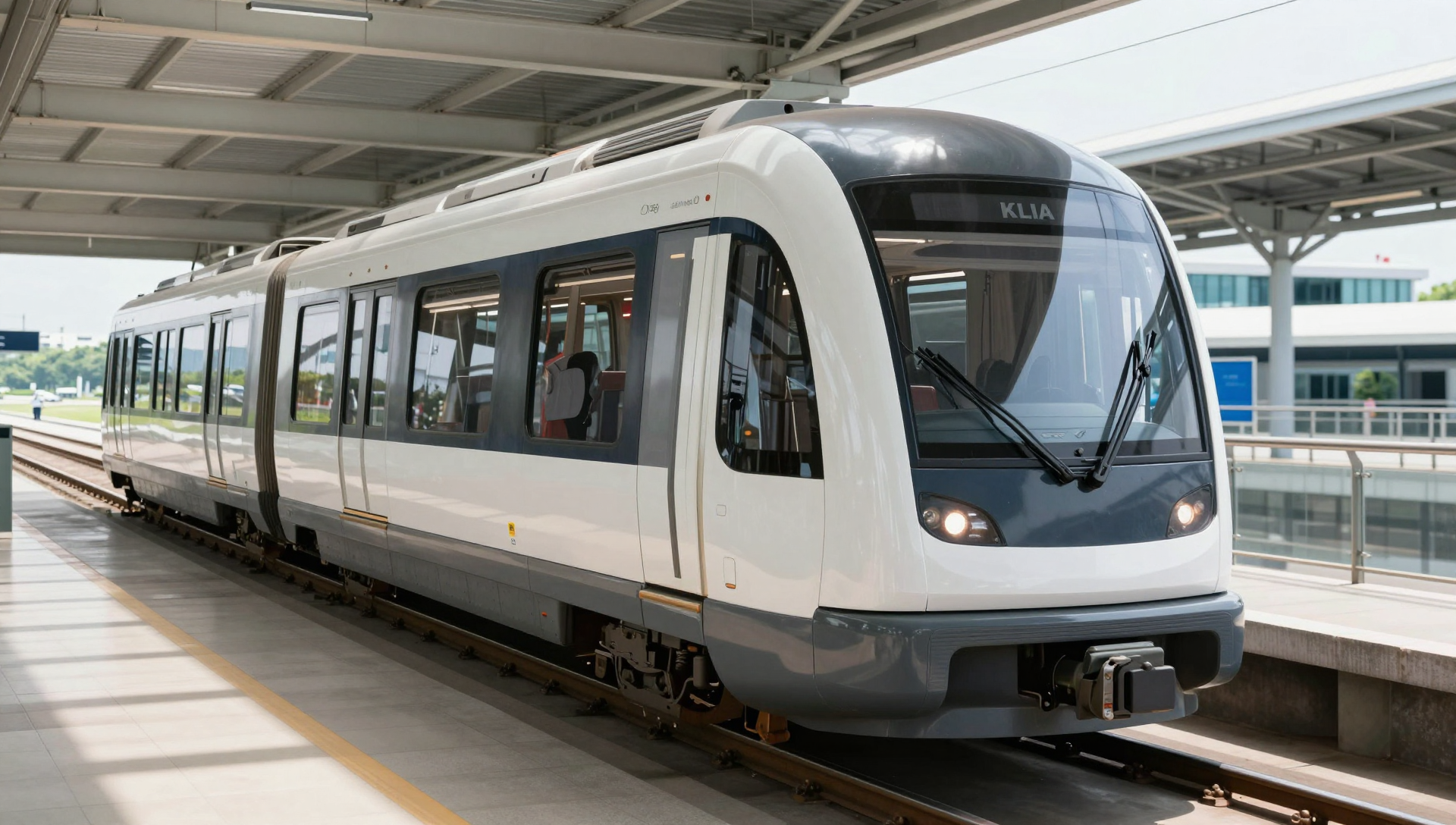
Automated People Movers (APMs), particularly in the context of airport shuttle trains, play a pivotal role in enhancing the travel experience by providing efficient and seamless transport between terminals and other airport facilities. These systems are designed using advanced automation technology that eliminates the need for human operators, relying instead on an integrated system comprising sensors, algorithms, and vehicle controllers.
The core technology behind airport shuttle trains involves a combination of automated control systems and real-time data processing. Sensors installed along the tracks and on the trains monitor various parameters including speed, distance, and the status of nearby vehicles. This information is processed using sophisticated algorithms, enabling the trains to adjust their speeds and coordinate with one another to maintain safety and efficiency. Notably, the control center utilizes a centralized management system that oversees the entire fleet, ensuring smooth operation and minimizing delays.
Passenger experience is paramount in the design of automated shuttle trains. From the moment travelers enter the train station, they are guided by clear digital signage and intuitive systems that indicate train schedules and next stops. Inside, the environment is designed for comfort, featuring spacious seating and ample standing room. Furthermore, many systems incorporate dynamic lighting and announcements that enhance the overall journey experience. This automation not only streamlines the boarding process but also significantly reduces wait times, making airport transfers remarkably efficient.
Numerous airports worldwide have successfully implemented automated shuttle trains. For instance, the Dubai International Airport features an advanced APM that connects its terminals and concourses seamlessly, while the Kansai International Airport in Japan employs a similar system that provides reliable and rapid transit for passengers. These examples underscore the growing trend of automation in airport transport, promising further enhancements in efficiency and passenger satisfaction in the future.
Advanced People Mover Solutions: Case Studies
Automated people mover (APM) systems have been deployed in various municipalities around the globe, significantly impacting urban mobility and enhancing passenger transport efficiency. These systems employ advanced technologies to facilitate the efficient transportation of individuals within densely populated areas. This section will examine several noteworthy implementations of APM systems, illustrating their role in modern urban transportation.
One notable example is the Masdar City Personal Rapid Transit (PRT) system in Abu Dhabi, United Arab Emirates. Designed as part of a sustainable urban development project, the Masdar PRT utilizes electric-powered vehicles to link key locations within the city. With a design focus on minimizing environmental impact, this system provides a low-carbon transport alternative that operates autonomously, contributing to a reduction in energy consumption and traffic congestion.
In the United States, the Seattle-Tacoma International Airport APM system has effectively connected passengers between the main terminal and satellite concourses. This system, operating since the late 1970s, demonstrates how APMs can streamline passenger movement in high-traffic environments. Its reliability, efficiency, and user-friendly design underscore the importance of APMs in enhancing the travel experience for airport passengers.
Additionally, the London Heathrow Airport employs a driverless transit system known as the Heathrow Pod. These small, automated pods transport passengers from Terminal 5 to the business parking area. This innovative APM solution not only enhances the airport’s operational efficiency but also provides a seamless travel experience for passengers with frequent departures and arrivals.
By examining these advanced people mover solutions, it becomes clear that APM systems play a crucial role in addressing urban mobility challenges. Their implementation leads to improved transport efficiency, reduced carbon footprints, and enhanced passenger experiences, paving the way for smarter and more sustainable urban environments.
Smart Mobility Infrastructure: The Next Step in Transport Evolution
The evolution of travel has reached a pivotal point with the advent of automated people mover (APM) systems. These systems, vital in urban transport, rely heavily on advanced smart mobility infrastructure to improve effectiveness and sustainability. As cities embrace automation in transport, integrating APM systems with other modes of transportation becomes essential.
Smart mobility infrastructure encompasses a network of technologies and operational practices designed to enhance urban transport systems. By leveraging real-time data, traffic management, and smart communication, cities can create seamless transitions between various transport modalities, such as buses, trains, and ride-sharing services. This interoperability not only improves passenger experience but also promotes efficiency by optimizing route planning and reducing congestion.
Urban planners must meticulously consider the layout of APM systems within the broader context of city structure and development. The design of these automated systems should facilitate easy access to and from residential areas, commercial zones, and key transport hubs. Prioritizing integration with walking and cycling infrastructure supports sustainability goals by encouraging more environmentally friendly transport options.
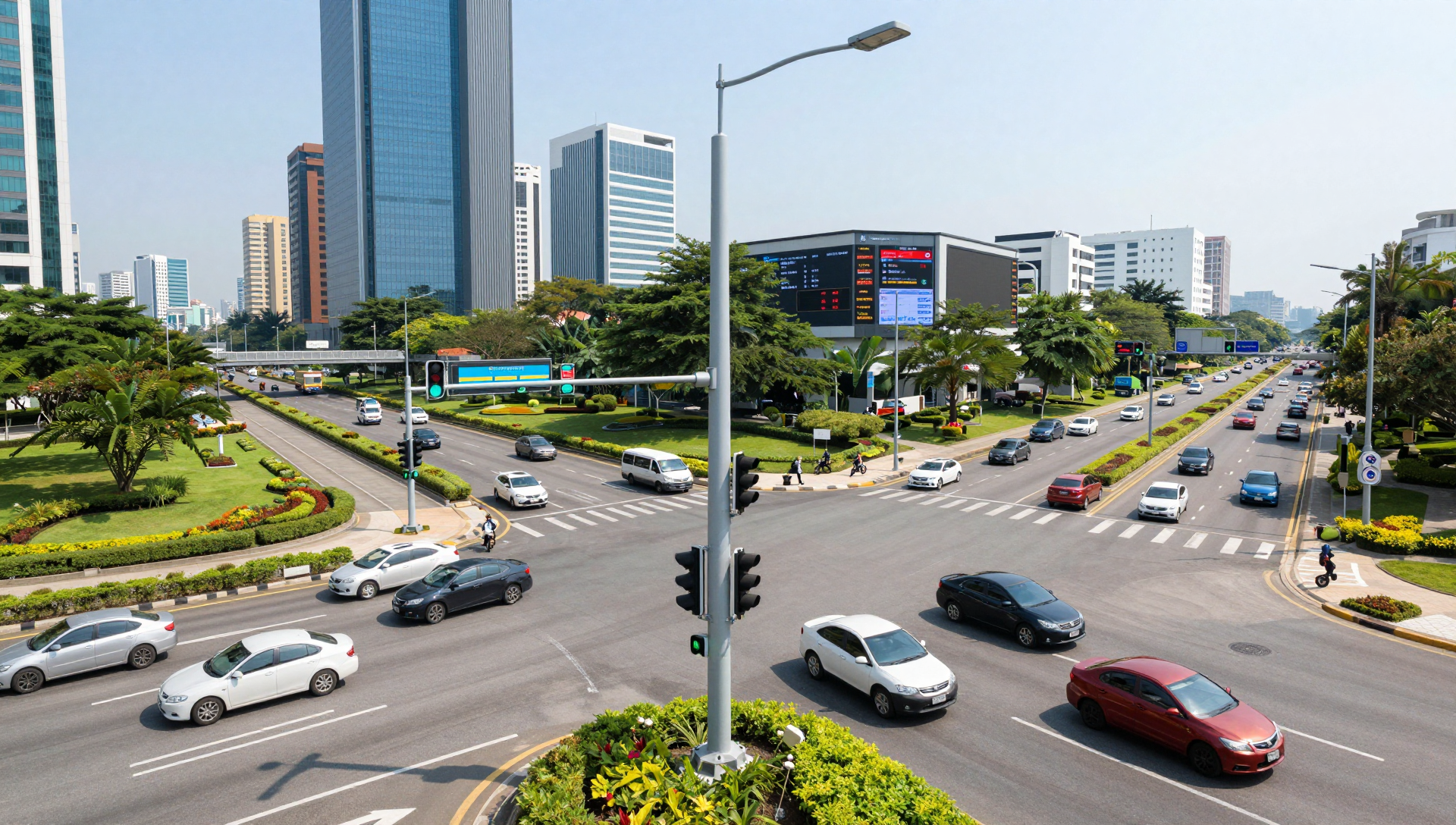
Furthermore, the support of an effective smart mobility infrastructure can significantly decrease greenhouse gas emissions. By encouraging smoother transitions between APM systems and public transportation, cities can reduce reliance on personal vehicles, contributing to cleaner air and less congestion. Implementing smart traffic signals, real-time information displays, and mobile applications can guide citizens toward more efficient travel choices.
Incorporating these innovations is not merely an enhancement of existing systems; it represents a fundamental shift toward an integrated, adaptive, and sustainable transport ecosystem. Ultimately, smart mobility infrastructure serves as the backbone of automated travel systems, ensuring that urban centers can thrive in the face of growing population density and evolving transportation needs.
The Future Landscape of AI-Based Transit Systems
The rapid advancement of technology has led to significant transformation in public transportation, notably through the integration of Artificial Intelligence (AI) into transit systems. As urban environments continue to expand and evolve, AI-based transit systems, particularly automated people mover technologies, are poised to play a pivotal role in shaping the future landscape of urban mobility.
Current trends indicate a marked increase in the efficiency and reliability of these systems. AI algorithms are capable of optimizing route selection, managing passenger flow, and adjusting schedules in real time based on demand. This not only enhances user experience by minimizing wait times but also contributes to reducing overcrowding, thereby making transit networks more pleasant and efficient. Furthermore, the integration of machine learning techniques allows these systems to adapt and improve from historical data and predictive analytics, making travel more predictable and enjoyable.
Looking forward, we can expect further innovations in automated people mover technologies. Developments are likely to focus on autonomous vehicles, which promise to enhance safety and operational efficiency. Additionally, the combination of AI with emerging technologies, such as the Internet of Things (IoT) and advanced sensor systems, will create smarter transit environments that can respond dynamically to real-time conditions. Enhanced connectivity between vehicles, infrastructure, and users will lead to seamless travel experiences, allowing passengers to move fluidly through urban environments.
Moreover, sustainability will remain a critical factor in the development of AI-based transit systems. As cities strive to reduce their carbon footprints, the focus will shift toward electric and hybrid models, reducing emissions and energy consumption. Policies promoting public transportation usage over personal vehicles will further establish the role of automated systems in achieving environmental sustainability.
In conclusion, the future of AI-based transit systems looks promising, with numerous possibilities for advancements that will redefine urban travel. As technology continues to evolve, automated people movers will not only enhance operational effectiveness but also transform the way people navigate through cities, ultimately contributing to smarter, safer, and more sustainable urban environments.