





Introduction to Port Klang Automation
Port Klang, located on the western coast of Peninsular Malaysia, serves as the nation’s principal shipping hub and one of the most significant ports in Southeast Asia. Its strategic location facilitates robust trade connections between Malaysia and various countries around the globe, making it a vital player in international maritime logistics. Given its importance, the port has seen substantial growth in container traffic over the years, emphasizing the need for advanced operational methods to manage cargo efficiently.
The increasing volume of shipping activities at Port Klang has created an impetus for the adoption of automated container handling systems. The push towards automation is largely driven by a global trend where ports are investing in innovative technologies to enhance operational efficiency and safety. Automation in port operations includes the utilization of automated guided vehicles (AGVs), robotic cranes, and sophisticated software systems, all of which aim to streamline the workflow and reduce reliance on manual labor.
With the global shipping industry facing challenges such as labor shortages, rising operational costs, and heightened safety regulations, the transition to automated handling systems appears to be a prudent solution. By implementing these technologies, Port Klang is expected to improve its operational throughput while minimizing the potential for human error. Furthermore, enhanced automation will likely lead to shorter turnaround times for ships and better resource management, allowing the port to meet the evolving demands of global trade.
The anticipated benefits of these advancements extend beyond mere efficiency gains; increased automation also improves safety measures for workers and assets, thereby creating a more robust working environment. As Port Klang ventures into the future of automated container handling systems, it positions itself as a forward-thinking port ready to adapt to the challenges of modern shipping demands.
The Importance of Smart Port Infrastructure
Smart port infrastructure represents a pivotal advancement in enhancing the efficiency and effectiveness of port operations. It encompasses a combination of advanced technologies, innovative practices, and integrated communication systems that work collaboratively to optimize various processes involved in goods handling and logistics. The significance of implementing such infrastructure cannot be overstated, especially in the context of global trade, where speed and reliability are crucial.
In the case of Port Klang, Malaysia’s premier port, the adoption of smart infrastructure is being actively pursued to streamline cargo handling processes. This approach includes the integration of automated container handling systems that facilitate faster loading and unloading operations. By employing state-of-the-art technologies such as the Internet of Things (IoT), Artificial Intelligence (AI), and data analytics, Port Klang aims to achieve higher operational efficiency while minimizing human error.
Furthermore, the scalability of these solutions is essential. As the volume of international trade continues to rise, having a flexible and adaptive infrastructure allows Port Klang to accommodate growing demands without compromising service quality. Smart port infrastructure enables real-time monitoring of cargo movements and provides stakeholders with invaluable data for decision-making. This digital integration not only enhances operational workflows but also leads to improved safety and environmental sustainability.
Moreover, the importance of a well-designed smart port infrastructure goes beyond mere operational efficiency. It creates a competitive advantage by attracting more shipping lines and businesses that seek streamlined logistics and reduced turnaround times. Consequently, Port Klang’s forward-looking investments in technology and innovation position it favorably in the ever-evolving landscape of maritime trade.
Automated Container Handling Technology
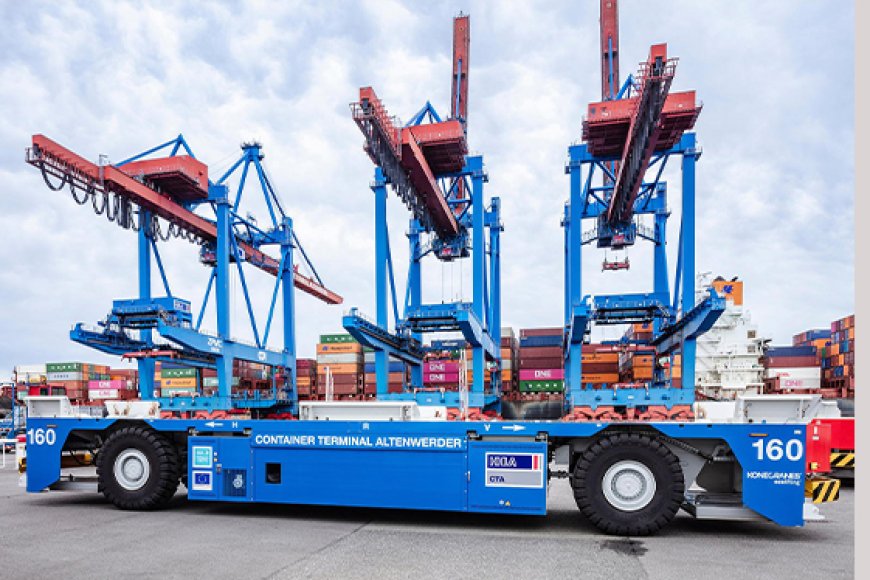
At Port Klang, the implementation of automated container handling technology is transforming the efficiency of operations and overall productivity. Among the advanced systems employed, Automated Guided Vehicles (AGVs) and Automated Stacking Cranes (ASCs) stand out as pivotal innovations driving this change.
AGVs are mobile robots designed to transport containers autonomously throughout the terminal. Equipped with sophisticated navigation systems that allow them to follow predefined paths or make real-time decisions, AGVs enhance the fluidity of container logistics. They utilize sensors and cameras to detect their environment, ensuring safe navigation around obstacles and other equipment. This automation minimizes the need for human intervention, significantly reducing the potential for errors and improving the speed of cargo movement.
In conjunction with AGVs, Automated Stacking Cranes (ASCs) play a crucial role in the stacking and retrieval of shipping containers. These cranes can operate independently, using programmed algorithms to optimize the positioning of containers within the yard. This automation allows for precise placement and retrieval, expediting the process of loading and unloading vessels. The synergy between ASCs and AGVs results in streamlined workflows, which are vital for maintaining the high throughput expected at Port Klang.
Furthermore, real-time data analytics facilitate the monitoring and management of these systems. By analyzing operational data, port authorities can make informed decisions to enhance the performance of AGVs and ASCs, ensuring that the container handling processes are not only efficient but also capable of adapting to fluctuating demands. Overall, the integration of automated container handling systems at Port Klang represents a significant step towards modernizing port operations and setting new standards in logistics efficiency.
The Role of AI in Port Logistics
The integration of artificial intelligence (AI) in port logistics is reshaping operations at Port Klang, enhancing efficiency and decision-making processes. AI systems enable predictive analytics, which play a crucial role in traffic management. By analyzing historical data and current traffic patterns, these systems can forecast container arrival times, traffic flows, and berth allocation more accurately. This proactive approach allows port operators to effectively schedule resources and manage congestion, thereby minimizing delays and improving overall throughput.
Furthermore, AI significantly optimizes container yard operations at Port Klang. Through intelligent algorithms, AI can assist in determining the best positions for containers, improving the retrieval process, and managing stacking patterns. This optimization not only reduces the time taken for loading and unloading but also decreases equipment utilization rates. As a result, both labor and equipment costs are minimized, leading to enhanced operational efficiency.
The impact of AI on logistics extends beyond operational improvements. AI-based decision support systems can provide real-time insights, enabling stakeholders to make informed choices. For instance, predictive maintenance applications can analyze equipment usage and performance metrics to forecast potential malfunctions before they occur. This capability helps in scheduling maintenance during non-peak periods, reducing unexpected downtimes and enhancing reliability in container handling.
Overall, AI is revolutionizing logistics at Port Klang by emphasizing data-driven decision-making, streamlining operations, and enhancing the responsiveness of port services. The deployment of these advanced technologies contributes significantly to the port’s operational excellence, ensuring that it remains competitive in the global shipping landscape. As AI continues to evolve, the prospects for further innovations and improvements in port logistics are immense, promising even greater efficiencies and capabilities in the future.
Innovations in Robotic Container Handling
The deployment of robotic systems in container handling at Port Klang marks a significant transformation in the operations of one of Southeast Asia’s busiest ports. Robotic technologies are improving efficiency, speed, and safety in the loading, unloading, and sorting of containers. These advancements help address the increasing demand for faster shipping and the ever-growing volume of containerized cargo.
One of the remarkable examples of robotic application in Port Klang is the automated gantry cranes which have been integrated for dockside operations. These cranes are programmed to handle container loading and unloading with minimal human intervention. They utilize advanced sensors and AI algorithms to detect the precise placement of containers, leading to a reduction in errors associated with manual operations. The efficiency of automated gantry cranes significantly accelerates the turnaround times for vessels, leading to enhanced throughput at the port.
Moreover, autonomous mobile robots (AMRs) are being utilized for intraport transportation of containers. These robots navigate through the port’s complex landscape to move containers to designated areas, further streamlining the supply chain process. By employing AMRs, Port Klang reduces the workforce needed for transportation while simultaneously increasing safety, as robotic systems eliminate many of the risks involved in manually transporting heavy loads.
Additionally, robotic sorting systems enhance the precision of container management. These systems can automatically sort incoming containers based on destination, size, and priority, expediting the process significantly compared to traditional methods. The application of robotics not only supports faster operations but also minimizes the physical strain on workers, reducing the likelihood of workplace injuries.
Incorporating these robotic innovations at Port Klang illustrates how modern technology can lead to a more efficient, safe, and productive container handling system. As the port continues to embrace automation, the benefits will undeniably create a more robust logistical framework for the region’s maritime industry.
Digital Management Solutions for Ports
The evolution of technology has paved the way for advanced digital management solutions, greatly benefiting operations at ports such as Port Klang. Today, modern software systems enable ports to achieve higher levels of efficiency through enhanced operational oversight, real-time data tracking, and improved logistics management. The integration of digital tools facilitates streamlined processes that are critical for successful port operations.
One notable solution is the implementation of Terminal Operating Systems (TOS), which provide comprehensive management of container movements and terminal resources. These systems centralize data handling, allowing for better coordination of vessel schedules, yard operations, and resource allocation. Adaptive algorithms within these systems can analyze historical data to predict peak workloads and optimize crane scheduling, thus significantly reducing vessel turnaround time.
Additionally, real-time data analytics platforms offer critical insights into port activities, enabling stakeholders to monitor container flows, inventory levels, and equipment status live. Such tools enhance decision-making through data visualization, presenting key performance indicators (KPIs) that help port managers identify bottlenecks and tackle potential disruptions swiftly.
Furthermore, the use of Internet of Things (IoT) devices is gaining traction within the logistics landscape of Port Klang. These devices facilitate the gathering of real-time data from various touchpoints within the port infrastructure. For instance, container tracking systems utilize GPS technology to ensure accurate monitoring of assets throughout the supply chain, minimizing delays and improving overall service delivery.
Collaboration platforms are also essential in facilitating effective communication among various stakeholders, including shipping lines, freight forwarders, and customs authorities. Enhanced transparency and information sharing lead to synchronized operations, ultimately ensuring smooth logistics and supply chain continuity. Digital management solutions are indeed critical in shaping the future of port logistics, particularly in enhancing the operational efficiency of Port Klang.
Efficient Container Yard Automation
Automating container yards is pivotal for enhancing operational efficiency at Port Klang, one of the busiest ports in Southeast Asia. Implementation strategies for efficient container yard automation include layout optimization, the integration of Automated Storage and Retrieval Systems (ASRS), and refined inventory management practices. Each plays a crucial role in streamlining processes and maximizing throughput.
Layout optimization entails designing the yard to minimize travel time for handling equipment and improve access to containers. By adopting a layout that strategically positions stacks and pathways, it is possible to reduce congestion and shorten the time it takes to retrieve or store containers. Advanced modeling software can simulate different configurations, enabling practitioners to analyze potential layouts before physical implementation. This proactive approach ensures more informed decisions that cater to the increasing demands for efficiency.
Incorporating Automated Storage and Retrieval Systems (ASRS) further enhances container handling capabilities. ASRS employs automated cranes and shuttles to manage the movement of containers within the yard. This technology allows for precise placement and retrieval of containers, minimizing human error while optimizing space usage. The integration of ASRS not only increases speed and accuracy but also augments safety by reducing the reliance on manual processes in potentially hazardous environments.
Moreover, effective inventory management practices are essential for ensuring that the right containers are available at the right time. Utilizing sophisticated inventory management software allows for real-time tracking of container locations, facilitates accurate forecasting, and aids in decision-making processes. Such systems can integrate with ASRS and other automated technologies, creating a cohesive framework that supports the flow of operations within the container yard.
Implementing these strategies collectively contributes to an efficient container yard, enhancing productivity and maintaining Port Klang’s competitive edge in global logistics.
Challenges and Limitations of Automation
While the future of automated container handling systems at Port Klang is promising, various challenges and limitations must be addressed for successful implementation. One of the primary hurdles involves the technological investment required for such advanced systems. The costs associated with upgrading existing infrastructure, purchasing new robotic equipment, and integrating sophisticated software solutions can be significant. Port authorities must not only consider these initial costs but also evaluate the long-term maintenance and operational expenses that could arise from implementing automation.
Another critical factor is workforce adaptation. The shift toward automation may lead to job displacement for certain roles within the port operations. Training and reskilling existing workers will be essential to maintain a qualified workforce capable of managing and working alongside automated systems. Ensuring that employees are equipped with the necessary skills to adapt to these changes is not merely a logistical challenge; it requires a cultural shift within the organization to embrace innovation fully.
Cybersecurity is also a pressing concern in the context of automation. As port facilities become more reliant on digital systems, the risk of cyberattacks increases. Protecting sensitive data and the operational integrity of automated systems will require robust cybersecurity measures. Port Klang must invest in advanced security protocols and continuously update its systems to fend off potential threats, which could otherwise undermine public trust in the safety and efficiency of automated operations.
Furthermore, the integration of automated systems into existing workflows may face technical limitations. Compatibility issues might arise with current technologies in use, necessitating additional investments to ensure seamless interactions. Addressing these challenges will be crucial for Port Klang to fully realize the benefits of automated container handling systems amidst the complexities of implementation.
Future Perspectives on Port Klang Shipping Automation
The future of shipping automation at Port Klang holds immense promise, with numerous advancements on the horizon that aim to enhance operational efficiency and improve overall port management. As global trade continues to grow, the need for innovative solutions in container handling is paramount. This necessity paves the way for the integration of cutting-edge automated systems that are expected to revolutionize how cargo is processed within the port.
One significant trend anticipated in the coming years is the collaboration between port operators and technology companies. Such partnerships aim to harness the capabilities of artificial intelligence, machine learning, and the Internet of Things (IoT) to optimize logistics processes. By leveraging these technologies, Port Klang can facilitate real-time data sharing, predictive maintenance for equipment, and sophisticated scheduling algorithms, all of which contribute to reducing operational costs while maximizing throughput.
Furthermore, the incorporation of smart containers and autonomous vehicles is set to redefine traditional shipping methods. These advancements not only streamline container transportation within the port but also ensure better tracking and monitoring of cargo, thereby minimizing delays and enhancing security measures. Port Klang’s commitment to investing in such technologies signifies its long-term vision to become a leader in port automation.
In conclusion, as the shipping industry evolves, Port Klang is poised to become a front-runner in automated container handling systems. By fostering collaborations with innovative technology firms and embracing advanced solutions, the port can significantly enhance its operational capabilities. This proactive approach will not only strengthen Port Klang’s competitive edge within the region but also position it as a global model for modern shipping automation practices.