




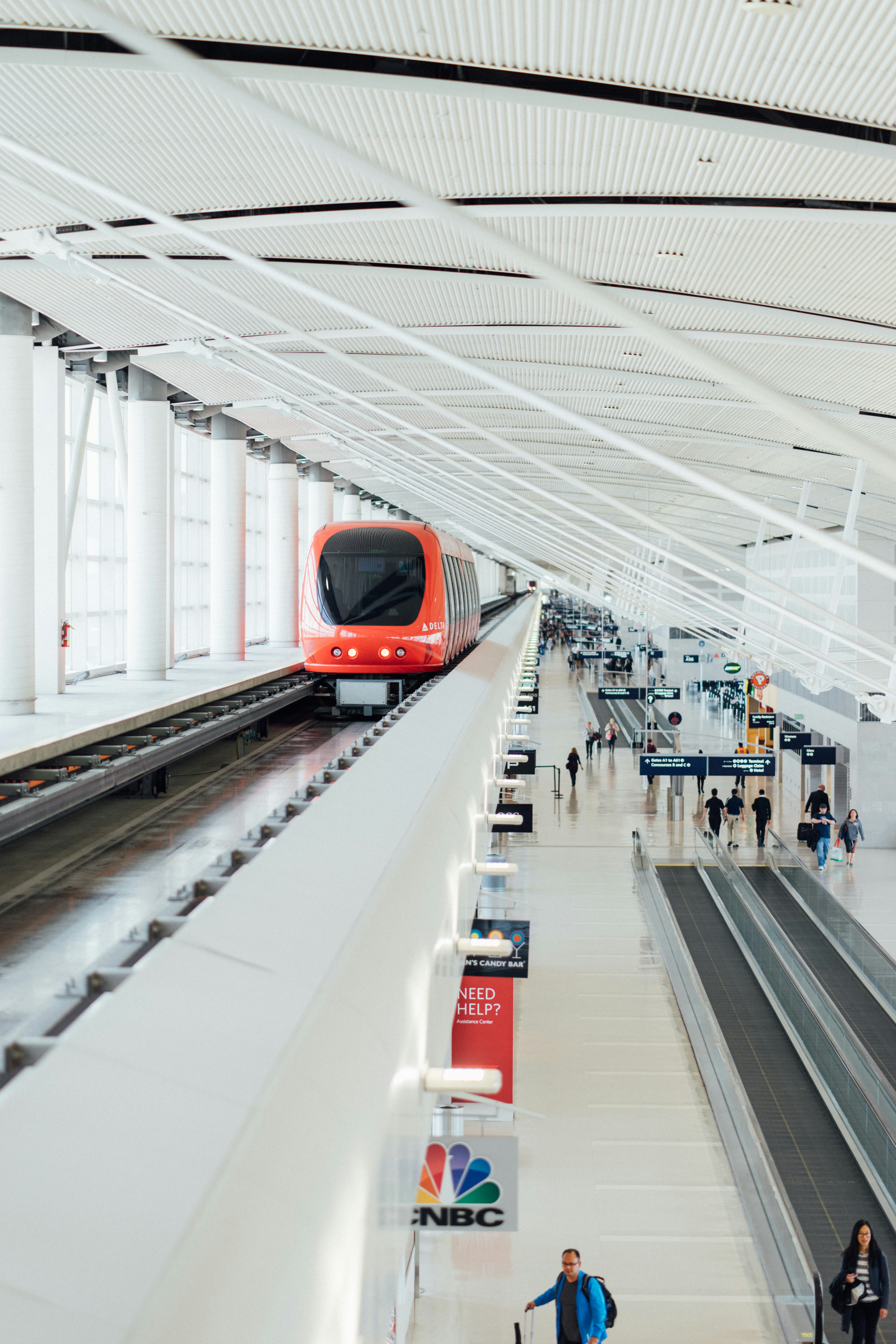
Introduction to KLIA’s Automated People Mover
Have you visited KLIA? The Kuala Lumpur International Airport (KLIA) features an innovative Automated People Mover (APM) system designed to enhance passenger transit across its expansive facilities. This cutting-edge technology of transportation facilitates seamless movement between the main terminal and the satellite terminal, ensuring that travelers can navigate KLIA with ease and efficiency.
The APM is a crucial aspect of airport operations, as it significantly reduces travel time for passengers moving between terminals. Previously, the distance between these terminals posed a challenge for many travelers, especially those with tight connection times. The implementation of the APM has addressed this concern, providing a reliable option for moving through the airport.
This transit system not only improves the overall passenger experience but also contributes to the operational efficiency of KLIA. By offering a fast, automatic solution, the APM minimizes the need for traditional transport methods such as shuttles or buses, which can be subject to delays. Instead, the APM operates with high frequency, making it possible for passengers to arrive at their designated gates promptly.
Significantly, the APM is also designed with user convenience in mind. With automated controls and minimal waiting times, the system caters to the diverse needs of both domestic and international travelers. Moreover, its sleek design and modern technology promote a contemporary image of Kuala Lumpur as a forward-thinking destination.
In conclusion, KLIA’s Automated People Mover is a vital transport solution that redefines airport connectivity in Malaysia, making air travel smoother for countless passengers while enhancing the airport’s operational capabilities.
KLIA Driverless Train: The Technology Behind It
The KLIA Driverless Train System exemplifies cutting-edge transportation technology, designed to ensure seamless connectivity between the main terminal and satellite buildings of Kuala Lumpur International Airport (KLIA). At the core of its operation is the Automated Train Operation (ATO) system, which utilizes advanced algorithms and sensors to navigate and manage train movements without human intervention. This technology incorporates a combination of automatic train protection, automatic train supervision, and simple control logic to enhance efficiency and safety.
Integral to the system’s reliability are various safety measures. The trains are equipped with multiple redundant systems, including backup power supplies and emergency braking systems. Infrared sensors and surveillance cameras are strategically placed along the track to detect obstacles and ensure the safe passage of the train. These safety protocols are vital, considering the high volume of passengers transported daily. Additionally, the system includes communication-based train control, which provides real-time data to monitor and manage train operations effectively.
Innovative design elements also contribute to the efficiency of the KLIA driverless train. The lightweight aluminum trains are engineered to optimize speed and minimize energy consumption. Furthermore, the system employs regenerative braking technology, which captures and stores energy during braking and uses it to power the train, resulting in reduced overall energy usage. The integration of real-time monitoring and predictive maintenance further enhances the system’s reliability, reducing downtime and maintenance costs.
In summary, the technology underpinning the KLIA driverless train combines automation, safety features, and innovative engineering to create a reliable and efficient airport transportation solution. As airports continue to grow and necessitate advanced transport options, systems like KLIA’s driverless train exemplify the future of automated transit in enhancing the passenger experience.
The Importance of Transportation at Kuala Lumpur International Airport
Kuala Lumpur International Airport (KLIA) is not only a gateway for international passengers but also a pivotal hub for efficient airport transportation. The significance of streamlined transportation systems at airports cannot be overstated, as they play a key role in facilitating passenger flow, reducing transfer times, and enhancing the overall travel experience. At KLIA, the Automated People Mover System (APM) stands out, serving as a vital link between the main terminal and the satellite terminals, thereby expediting the movement of passengers and their luggage.
Efficient transportation within an airport directly impacts passenger satisfaction. With the APM, travelers can move swiftly between terminals with minimal wait times, which is particularly crucial for those with tight layovers or connecting flights. This seamless transfer capability is vital in a modern airport setting, where time is often of the essence. Moreover, the system minimizes congestion within terminals, allowing airports like KLIA to maintain a smooth operation even during peak travel periods.
Furthermore, the reduction of transfer times contributes not only to passenger comfort but also to operational efficiency. Faster movement reduces the likelihood of missed connections, which can lead to a better overall experience for travelers. In addition, an effective transportation solution aids in handling the growing volume of air traffic, showcasing KLIA’s commitment to adapting to increased demand without compromising service quality.
The integration of advanced transportation solutions also reflects the airport’s investment in technology, making KLIA a competitive player in the global aviation market. By prioritizing efficient transportation systems such as the APM, KLIA enhances its ability to provide a positive, memorable travel experience for all passengers, ultimately reinforcing its reputation as a leading international airport.
KLIA Aerotrain System: Features and Benefits
The KLIA Aerotrain System operates between Terminal 1 and Terminal 2 of Kuala Lumpur International Airport (KLIA), delivering a fast and efficient means of transportation for passengers. This automated people mover is equipped with several features that enhance the overall travel experience, catering especially to the demands of modern air travel.
One of the primary advantages of the KLIA Aerotrain System is its speed. The Aerotrain covers the distance between the terminals in a remarkably short time of approximately 2 minutes. This is a significant improvement when compared to traditional transit methods, such as shuttle buses, which can be subject to pedestrian traffic and other delays. By utilizing an elevated track, the Aerotrain ensures a smooth, uninterrupted journey for travelers.
Moreover, the Aerotrain’s design emphasizes passenger convenience. The system can accommodate a high volume of passengers and is designed for swift boarding and alighting, minimizing wait times and streamlining the entire airport process. The spacious and climate-controlled cabins enhance passenger comfort, making the transit experience pleasant across all times of the day.
Additionally, the Aerotrain operates with a high degree of reliability, contributing to the airport’s overall efficiency. Built with state-of-the-art technology, it is essential in handling the increased passenger traffic that KLIA experiences annually. The integration of the Aerotrain system with various airport services further elevates the user experience, as it offers seamless transfers for both domestic and international travelers.
Ultimately, the KLIA Aerotrain System epitomizes a modern approach to airport transportation in Malaysia, blending speed, efficiency, and passenger comfort into one dependable service. By meeting the essential needs of today’s air travelers, it establishes itself as a vital component of Kuala Lumpur International Airport’s pledge to accessibility and innovation in transportation.
Automated Airport Transit in Malaysia: A Larger Perspective
Malaysia’s commitment to modernizing its transportation infrastructure is distinctly exemplified through the introduction of automated systems, particularly in airport transit. The Kuala Lumpur International Airport (KLIA) is not only a crucial hub for air travel but also stands as a testament to Malaysia’s ambition to enhance the efficiency and convenience of its public transport frameworks. The Automated People Mover (APM) system at KLIA, designed to seamlessly transport passengers between terminals, symbolizes a broader initiative to integrate modern technology into travel logistics.
In recent years, several Malaysian airports have adopted automated transit solutions similar to the APM system. These innovations play a vital role in minimizing transit times and improving the overall passenger experience. By reducing delays and providing reliable connections, airports equipped with automated transport systems cater to the needs of both domestic and international travelers. Furthermore, the integration of such technology signifies Malaysia’s commitment to adopting smart solutions that improve operational effectiveness.
The deployment of automated airport transit systems across Malaysia also reflects a strategic response to the demands of an evolving global travel landscape. As air travel continues to grow, investing in state-of-the-art infrastructure becomes essential for remaining competitive. The APM system at KLIA not only enhances passenger mobility but also demonstrates the potential benefits of embracing automation in other sectors of the transportation industry.
Ultimately, Malaysia’s investment in automated airport transit aligns with a broader vision of enhancing travel efficiency and fostering a user-centric transportation environment. As modern technology continues to reshape travel dynamics, the successful implementation of the APM system suggests promising future developments across Malaysia’s airports, positioning the nation as a leader in automated transit solutions within the Southeast Asian region.
Driverless Airport Train Technology: Trends and Innovations
The evolution of driverless airport train technology marks a significant advancement in the realm of airport transportation, fostering enhanced operational efficiency and improved passenger experiences. Central to this evolution is the integration of artificial intelligence (AI) and machine learning, which enables these automated systems to manage complex logistical challenges with remarkable precision.
Recent trends showcase the increasing reliance on AI algorithms that analyze passenger flow and optimize train schedules in real-time. By processing vast amounts of data, these systems anticipate demand fluctuations throughout the day, ensuring that trains are available exactly when needed. This proactive approach not only minimizes wait times but also enhances the overall efficiency of airport operations, contributing to a smoother transit for passengers.
Moreover, innovations in sensor technology have improved the safety and reliability of driverless trains. Advanced obstacle detection systems utilize high-resolution cameras and lidar sensors to navigate dynamic environments, allowing these trains to operate seamlessly even in crowded spaces. Enhanced safety protocols, powered by AI, ensure that the trains can adapt to unforeseen circumstances, thus providing reassurance to passengers and airport operators alike.
Another exciting trend includes the development of eco-friendly technologies integrated into driverless train systems. Many airports are now adopting sustainable energy sources, such as solar power, to operate their trains, thereby reducing carbon footprints and promoting environmental stewardship within urban transportation sectors.
Additionally, passenger convenience is prioritized through user-friendly interfaces and real-time communication systems that keep travelers informed about train schedules and potential delays. Consistent updates via mobile applications and digital display boards enhance the travel experience, fostering a more informed and comfortable journey.
Smart Airport Transportation Solutions
The evolution of airport transportation has reached new heights through the integration of advanced technology, exemplified by the Automated People Mover (APM) System at Kuala Lumpur International Airport (KLIA). This innovative transportation solution is designed to enhance the overall passenger experience by providing efficient and reliable travel between terminals. With its ability to operate autonomously, the APM not only optimizes transportation efficiency but also signifies a shift towards smart solutions in the airport environment.
At KLIA, technology plays a pivotal role in ensuring that passengers receive real-time information regarding their travel. Digital displays throughout the station provide valuable updates about train schedules, operational statuses, and any potential delays. This immediate access to information helps passengers plan their movements accordingly, reducing stress and contributing to a smoother travel journey.
Moreover, the efficient scheduling of the APM is meticulously designed to minimize wait times, thus enhancing the overall efficiency of the airport transportation network. Scheduled to run frequently, the system ensures that passengers are swiftly transported between different terminals, making it an essential component of KLIA’s transport infrastructure. The seamless integration of these smart systems enables smoother connections between flights, particularly beneficial for passengers with tight layover times.
Furthermore, passenger assistance is also addressed through the installation of user-friendly interfaces and signage. These features guide passengers in navigating the terminal, making it easier for them to locate the APM stations and understand the travel process. By fostering an environment where travelers can easily access assistance when needed, KLIA’s APM contributes to a more user-centric approach to airport travel.
Overall, the implementation of smart transportation solutions such as the APM at KLIA highlights the airport’s commitment to leveraging technology to enhance traveler experiences. By simplifying the logistics of airport navigation and ensuring reliable, timely transit, KLIA exemplifies a modern approach to airport transportation that aligns with the evolving expectations of today’s travelers.
Terminal Connectivity at KLIA: Ensuring Efficiency
The Kuala Lumpur International Airport (KLIA) has adopted an innovative approach to enhance terminal connectivity through its Automated People Mover (APM) system. This advanced mode of transportation effectively links the main terminal to the satellite terminal, ensuring swift and seamless travel for passengers. The efficiency of this system significantly alleviates the burden of air travel, particularly for those in transit or those rushing to catch connecting flights.
One of the paramount features of the APM system is its ability to facilitate quick transfers between terminals, thereby minimizing wait times and expediting the overall passenger experience. The journey between the main terminal and the satellite terminal takes approximately two minutes, which represents a remarkable advancement in airport transport logistics. This swift connectivity not only promotes passenger satisfaction but also plays a crucial role in enhancing operational efficiency at KLIA.
Moreover, the integration of the APM system contributes to the airport’s capacity management by efficiently distributing passenger flow. The reliability and frequency of the APM service ensure that travelers can move between terminals without delay, thereby reducing congestion during peak travel times. This strategic traffic management ultimately supports continuous air traffic operations and maintains high standards of service during busy periods.
In addition to its efficiency, the APM system is designed with passenger comfort and safety in mind. The vehicles are equipped with modern amenities and provide a smooth ride, which enhances the travel experience. Furthermore, safety protocols are meticulously implemented, ensuring that passengers can rely on safe transport as they navigate the airport.
Innovations in Malaysia’s Airport Infrastructure
The Kuala Lumpur International Airport (KLIA) has made significant strides in enhancing its airport infrastructure through the integration of innovative technologies. One of the most notable advancements is the deployment of the Automated People Mover (APM) system. This state-of-the-art transportation solution is designed to facilitate seamless movement between terminals, thereby streamlining passenger flow while reducing congestion. The APM system operates efficiently, contributing to a more convenient travel experience for passengers, as it minimizes waiting times and enhances overall accessibility within the airport.
Furthermore, the adoption of advanced technology extends beyond the APM. Various initiatives have been implemented to embrace digitization in airport operations, including automated check-in kiosks and baggage handling systems. These innovations not only expedite processes but also illustrate a commitment to improving service quality. As part of Malaysia’s broader vision to position itself as a leading travel hub in the region, such advancements play a critical role in attracting international travelers and businesses.
As the aviation industry continues to evolve, the potential for future innovations within Malaysia’s airport infrastructure appears promising. Airports worldwide are increasingly exploring the use of artificial intelligence, robotics, and enhanced data analytics to further optimize operations and enhance passenger experience. KLIA, being a frontrunner, is uniquely positioned to take advantage of these emerging trends, fostering an environment conducive to continuous improvement and adaptation.
In conclusion, KLIA’s commitment to innovation—evident through the implementation of the Automated People Mover system and other advanced technologies—serves as a hallmark of Malaysia’s aspirations in modernizing its airport infrastructure. By prioritizing efficiency and passenger convenience, KLIA not only sets a benchmark for other airports but also reflects Malaysia’s dedication to providing world-class transportation solutions that are vital for its economic growth and global competitiveness.